
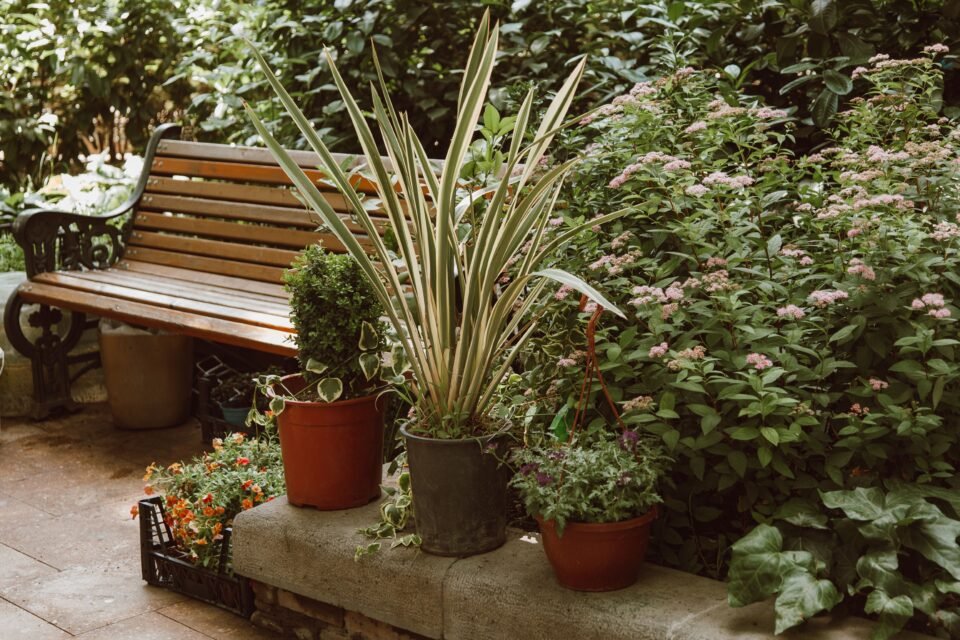
If you have ever stared at an empty corner of your yard, a sunny balcony, or a bright windowsill and wondered how to start a garden, you are in good company. Most beginners feel stuck before they begin. They worry about soil, tools, plants, and cost. The truth is that how to start a garden is far simpler than it looks, and you do not need a green thumb, a huge yard, or a big budget.
This guide shows you how to start a garden from scratch, one clear step at a time. You will learn how to start a garden for beginners without feeling overwhelmed, plus the things most beginner guides skip: real costs, the best size for a first garden, a first-season timeline, and what to do when you have no backyard. Whether you want to know how to start a vegetable garden, how to start a flower garden, or how to start an herb garden, the steps below will get you moving.
Why Learn How to Start a Garden?
A garden gives you fresh food, a calmer mind, and a reason to be outside. One tomato plant can fill a bowl every week in summer, and a small pot of basil can replace a pile of store-bought packets. Many people put off learning how to start a garden because they think they need perfect conditions. You do not. Starting small, paying attention, and adjusting as you go will teach you more than a perfect plan that never leaves your notebook. Now let us walk through how to start a garden in simple steps.
Before You Begin: What Kind of Garden Do You Want?
Whether you are asking how to begin a garden or how to establish a garden, your first decision shapes every other choice, so ask three questions. What do I want to grow? How much time can I give it each week? How much space do I have?
If you want fresh food, learn how to start a vegetable garden by choosing three to five crops you really eat. If you love color, how to start a flower garden is a great first project, and how to start a wildflower garden is even easier because wildflowers forgive mistakes. If you cook often, how to start an herb garden takes very little room and gives quick rewards. Whatever you choose, how to start a garden successfully always begins with a small, realistic goal.
Step 1: Pick the Right Spot
Location matters more than anything else when you plan how to start a garden. Most vegetables and flowers need six to eight hours of direct sun a day. Watch your space from morning to evening and note where the light falls. This first check is the key to how to start a garden well.
Check drainage next. If puddles sit for hours after rain, the soil holds too much water. Place the garden near a hose or tap, because a faraway water source turns watering into a chore you will skip.
If you are working out how to start a garden in your backyard and the light is poor, do not give up. Leafy greens and many herbs handle partial shade, and containers can follow the sun.
Step 2: Start Small and Plan Your Layout
The biggest beginner mistake is planting too much. A first garden of 4 by 4 feet or 4 by 8 feet is large enough to grow a family salad bowl and small enough to manage in ten minutes a day. That is the secret of how to start a small garden that survives, and it is the smartest way how to start a garden without burning out.
Sketch your plan on paper. Place tall plants such as tomatoes or sunflowers on the north side so they do not shade shorter ones. Leave paths wide enough to reach every plant without stepping on the soil. If you are learning how to start a garden bed, keep it no wider than four feet so you can reach the middle from either side. Mark the outline with string or a hose before you dig, then adjust until it looks right.
Step 3: Choose Between In-Ground, Raised Bed, or Containers
| Option | Cost | Effort | Best for |
| In-ground | Lowest | High at first | Large yards with good soil |
| Raised bed | Medium | Moderate | Poor soil and easy weeding |
| Containers | Low to medium | Low | Patios, balconies, and renters |
In-ground gardens cost the least, but you must clear grass and loosen the soil. If you want less digging, learn how to make a raised bed garden or how to make a garden box from untreated wood. Raised beds warm up early in spring, drain well, and keep weeds under control. Containers are the easiest route for how to start a container garden: choose pots with drainage holes, fill them with quality potting mix, and place them in the sun. If you only have pots, how to start a garden in pots is as simple as filling them with soil and seeds.
If you do not want to dig up your lawn, try how to make a garden without digging by layering cardboard, compost, and mulch over the grass. This is also the easiest answer to how to start a garden in grass. Whichever method you pick, this choice is a big part of how to start a garden that fits your life.
Step 4: Prepare the Soil
Healthy soil is the foundation of every good garden, so do not skip this step. Good garden soil is dark, crumbly, and full of life. It is the first lesson in how to start a garden in the ground. Test it before planting. A simple home kit or your local extension office can show pH and nutrient levels, and most vegetables prefer a pH between 6.0 and 7.0.
Next, add compost. Compost improves drainage in heavy soil and helps sandy soil hold water. Buying it by the bag is fine, but making your own is cheaper. If you want to learn how to start composting, begin with a bin or a simple pile in a corner of the yard. Wondering how to start a compost bin or how to start a compost pile? Pick a dry, shady spot. Here is how to make a compost pile: mix green materials such as vegetable scraps and grass clippings with brown materials such as dry leaves and shredded paper, keep it as damp as a wrung-out sponge, and turn it every week or two. The secret to how to make good compost is balance, and anyone asking how to make compost fast should chop materials small and turn the pile often. For small spaces, how to make a compost bin from a lidded bucket or a tumbler works well. Knowing how to make your own compost, or how to make homemade compost from kitchen scraps, saves money every season, and it is a key part of how to start a garden that stays healthy for years.
Step 5: Gather Your Basic Tools and Supplies
You do not need a shed full of gear to learn how to start a garden step by step. A beginner kit costs far less than most people expect. Start with a hand trowel, a spade or garden fork, pruning shears, a watering can or hose with a gentle nozzle, gloves, a bag of compost, a bag of mulch, and seeds or young plants.
Most starter gardens cost roughly $50 to $150 in the United States, depending on beds and soil. You can save money by saving seeds, borrowing tools, using free municipal compost, and building beds from reclaimed untreated wood. If you are learning how to start a garden on a budget, spend first on good soil and quality seeds because they affect results most.
Step 6: Choose Easy Plants for Beginners
Pick forgiving plants first; plant choice is a big part of how to start a garden. Easy vegetables include lettuce, radishes, bush beans, zucchini, and cherry tomatoes. Easy flowers include marigolds, zinnias, sunflowers, and cosmos. Easy herbs include basil, mint, parsley, and chives. Check your USDA hardiness zone and your last frost date, because these two details tell you what survives and when to plant.
Seeds or young plants? Seeds cost less and offer more variety, while young plants save time. If you choose seeds, here is how to start a garden from seeds indoors: sow about six to eight weeks before your last frost, using clean trays, seed-starting mix, and a bright window or grow light. The same method covers how to start seeds indoors and how to plant seeds indoors for tomatoes and peppers, including how to start vegetable seeds indoors and how to grow herbs from seeds indoors. To learn how to grow tomato plants and how to grow tomatoes from seeds, keep the soil warm and evenly moist. Fun side projects, such as how to grow an avocado seed in water, are great practice for kids. This low-cost route is the heart of how to start a garden from seed.
Step 7: Plant and Water Correctly
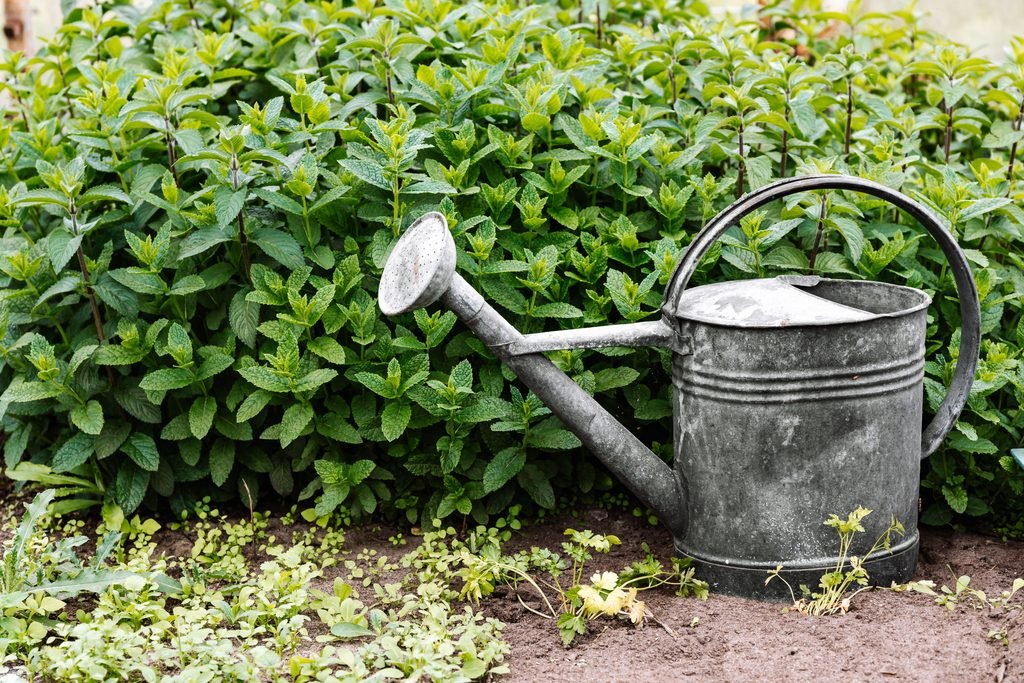
Read the seed packet or plant tag first, because it lists depth, spacing, and sun needs. As a rule, plant seeds about twice as deep as they are wide. For how to plant vegetable seeds in the ground, loosen the soil, make a shallow row, drop in the seeds, cover them lightly, and keep the soil moist until they sprout. Plant young plants at the same depth as their pots, but bury tomatoes deeper so they grow strong roots. Harden them off over a week by moving them outside for a few more hours each day.
Water deeply and less often rather than a little every day. Most gardens need about one inch of water a week, delivered early in the morning at the base of plants. Push a finger two inches into the soil; if it feels dry, water. Good watering is half of how to start a garden successfully, and this simple habit is the quiet skill behind how to start a garden that thrives.
Step 8: Maintain Your Garden All Season
Maintenance is the long game in how to start a garden. Spread two to three inches of mulch to hold moisture and block weeds. Pull weeds weekly while they are small. Feed plants with compost or a balanced fertilizer every few weeks. Check leaves for pests, and remove them by hand or spray them with soapy water before they spread.
Here is how to start a garden journal: write down planting dates, what worked, and what failed. After one season you will know more about how to start a garden in your own climate than any book can tell you.
Common Beginner Mistakes to Avoid
These are the most common errors people make when learning how to start a garden:
- Planting too much too soon
- Choosing a shady spot
- Skipping soil preparation
- Overwatering or underwatering
- Planting before the last frost
- Ignoring your growing zone
- Buying every tool at once
Avoid these, and you will be ahead of most first-year gardeners. Knowing these errors is part of how to start a garden the smart way.
How to Start a Garden With No Backyard
No yard? No problem. A sunny balcony, patio, or windowsill is enough. For how to start a garden in an apartment, grow herbs, lettuce, and cherry tomatoes in pots, or learn how to make a vertical garden with wall planters. If you want to know how to start a garden on a balcony, use railing planters and sturdy pots. If your light is weak, how to start an indoor garden is a good answer: use a bright window or a small grow light and try how to start an indoor herb garden with basil, mint, and parsley. You can even learn how to make an indoor garden on a shelf. This is how to start a garden anywhere.
Your First-Season Timeline: How to Start a Garden Month by Month
Here is a simple schedule for how to start a garden and keep it going.
- Late winter: Plan your layout, order seeds, and start seeds indoors.
- Early spring: Build beds, test soil, and add compost.
- After the last frost: Plant tender crops such as tomatoes, beans, and zucchini.
- Early summer: Mulch, water deeply, and stake tall plants.
- Fall: Plant cool-season crops, collect seeds, and add compost to empty beds. Learning how to start a fall garden extends your harvest.
Follow this plan and how to start a garden becomes a simple routine.
More Garden Projects to Try Next
Once your first bed is growing, try one of these projects:
- How to make a butterfly garden: plant zinnias and cosmos in a sunny spot.
- How to make a succulent garden: use gritty soil and shallow pots.
- How to make a herb garden: group basil, mint, and parsley in one planter.
- How to start a greenhouse: begin with a small cold frame.
- How to start a worm bin: feed kitchen scraps to red wigglers.
- How to start a compost tumbler: fill it with equal parts greens and browns.
- How to make a compost heap: stack leaves and kitchen waste in layers.
- How to grow grass from seeds: rake, sow, and water daily.
Frequently Asked Questions
How do I start a garden as a complete beginner?
The simplest answer to how to start a garden is to choose a sunny spot, build one small bed or a few pots, add compost, and plant easy crops.
How much does it cost to start a garden?
Most beginners spend roughly $50 to $150, and less if they use seeds and free compost.
What month is best to start a garden?
For how to start a garden, early spring is best in most regions, once the soil can be worked. In warm climates, fall also works well.
What should I plant first?
Lettuce, radishes, bush beans, marigolds, and basil are easy winners.
Can I start a garden in a small space?
Yes. Containers, balconies, and windowsills all work for how to start a garden in small spaces.
Final Thoughts
Now you know how to start a garden from the first idea to the first harvest. Start small, choose easy plants, build healthy soil, and water with care. Gardening is a skill you grow into, so give yourself permission to make mistakes. If you are still asking how to start up a garden, the answer is simple: begin this weekend with one small bed or one pot. Once you master how to start a garden, you can expand with more beds, more crops, and more flowers.