
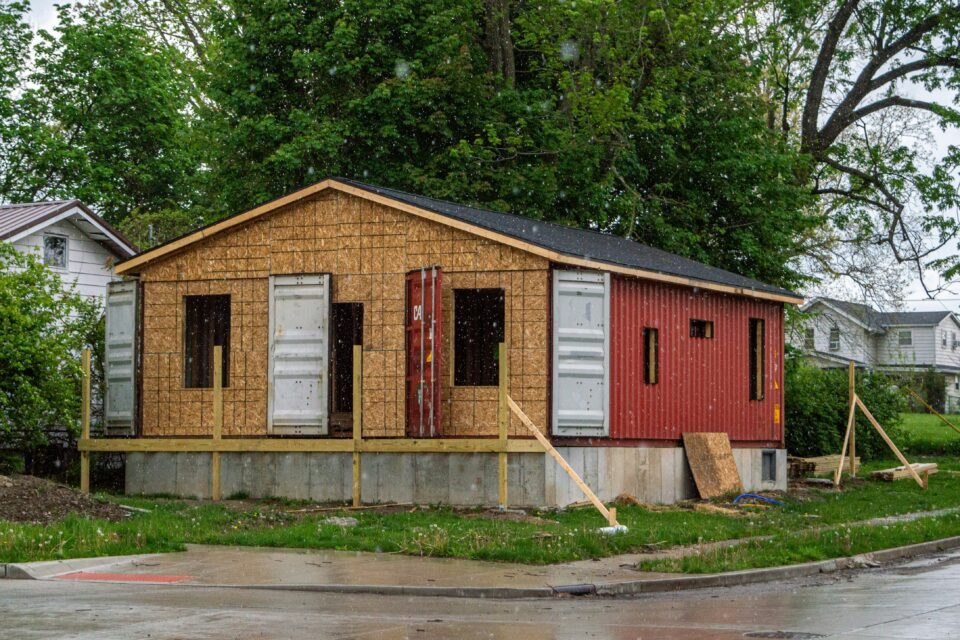
What is a modular home? A modular home is defined as a house built mostly in a factory in sections called modules, then trucked to the site and set on a permanent foundation. It must meet the same state and local building codes as a site-built house.
Most of the confusion starts right there.
Prefab, premade, manufactured, mobile, sectional: the web uses these words as if they mean the same thing. They don’t. If you’re comparing options, you’ve probably noticed it’s hard to tell what you’re actually being sold.
This guide answers “what is a modular home” in plain English, then covers how modules are built, what a finished project really costs, how modular houses differ from manufactured and mobile homes, and how loans work. It works best for U.S. landowners and buyers planning a new build. It won’t help if you want a tiny house on wheels or you’re building outside the U.S.
What Is a Modular Home and How Is It Built?
The short answer to “what is a modular home” is simple: a real house that happens to be built indoors. Factory crews build each module with walls, floors, wiring and plumbing already in place. Trucks carry the modules to the lot, a crane sets them on a prepared foundation, and crews join them into one finished house.
The code doesn’t care where the walls were framed.
Modular homes are still a small slice of U.S. housing. According to NAHB analysis of Census Bureau data (2025), about 30,000 of 975,000 single-family homes completed that year were modular (14,000) or panelized (16,000), a 3% share. That figure matches both 2023 and 2024, so the share has stayed flat.
Most people assume modular is a booming new trend — the data says otherwise. In 1998, modular and panelized homes made up 7% of single-family completions, so today’s 3% is a step back. What most guides skip is that the Census definition is narrow, and NAHB puts panelized share at 5% to 12% under a wider definition.
Modular Home Meaning: Definition and Search Terms
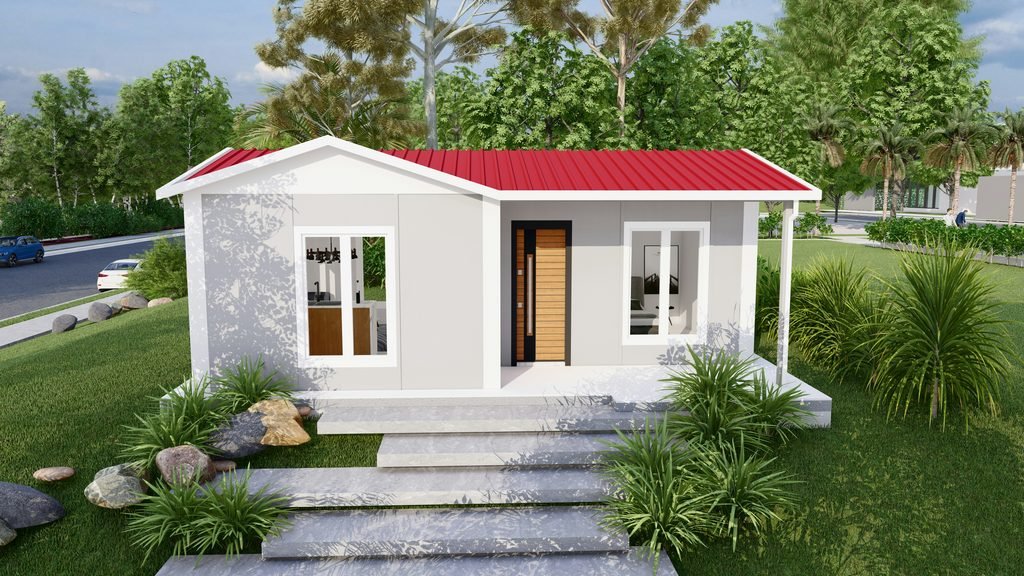
What is the definition of a modular home? A house built to local building codes in factory-made sections and assembled on a permanent foundation, which makes it real property. Still asking “what exactly is a modular home”? Same answer. So are “what does a modular home mean,” “what does modular home mean,” “what is modular home mean,” “what modular homes means,” “what does modular house mean” and “modular homes what are they.”
“What is a modular” usually means “what is a modular home,” while “modulars” and “modularhomes” point to the same thing, and “what is a modular house” is just the same question in different words.
What Are Modular Homes Made Of?
Modular homes are made of the same materials as site-built houses. Modules are commonly framed with wood or steel, then finished with drywall, sheathing, siding and roofing. According to the International Code Council, its International Residential Code is the model code most states adopt for one- and two-family homes, so a module’s structure must pass the same local review.
People who ask “what is a modular home” often picture something flimsy, so they also type “what are modular homes made of” or “what are modular homes made out of.” The answer to “what is a modular home made of” is ordinary building materials, and “what are modular houses” gets the same reply. Builders add extra bracing so modules survive highway travel and a crane lift.
How Modular Home Construction Works
What is modular home construction, in practice? It’s a parallel process. While the factory builds the modules, a site crew grades the lot, pours the foundation and trenches utilities. That overlap is where the time savings come from. Builder and lender guides commonly report two to six months from order to move-in, though permits and site weather can stretch that.
To build a modular home, follow these steps:
- Choose a floor plan and sign the builder contract.
- Prepare the lot and pour the foundation while the factory builds.
- Finish the modules in a climate-controlled plant.
- Truck the modules to the site and set them by crane.
- Connect utilities, seal the seams, and pass final inspection.
What Comes With a Modular Home, and What Does One Look Like?
Here’s the thing: the price on a builder’s website rarely covers everything. What comes with a modular home is the structure and finished interior, including windows, doors, wiring, plumbing, cabinets, fixtures and usually HVAC. Land, foundation, utility hookups, permits, delivery and the crane are separate.
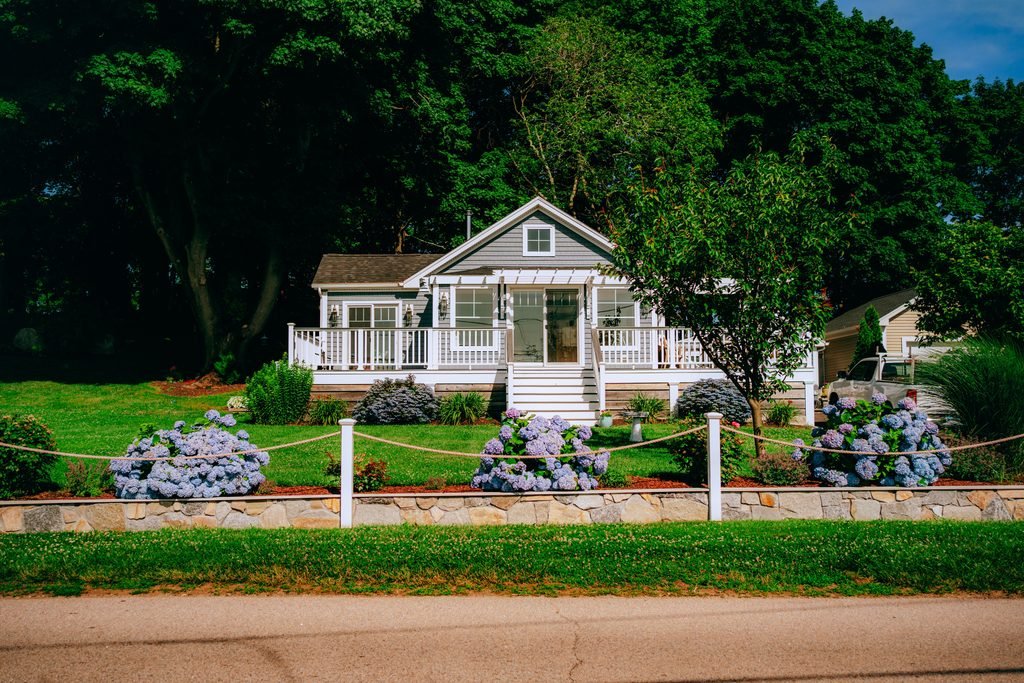
As for what does a modular home look like, the honest answer is: like a house. Ranches, two-stories, capes and contemporary designs all come from modular factories, and once the seams are finished, most visitors can’t tell the difference. You’ll also see “what is a modular home look like,” and the answer is the same. At the high end, modular mansions stack many modules into large multi-story homes.
Modular vs Manufactured vs Mobile Homes: What’s the Real Difference?
People who search “what is a modular home” usually end up asking a second question within minutes: how is it different from a manufactured or mobile home? The answer controls financing, resale value and where you’re allowed to put the house.
Modular vs manufactured: a modular home is better suited for buyers who want a permanent, code-built house on their own land because it follows local building codes and sits on a permanent foundation. A manufactured home works better when budget matters more than customization. The key difference is the code: local codes versus the federal HUD Code.
Modular and manufactured homes differ mainly in which code governs them. According to HUD, manufactured homes built after June 15, 1976 must meet the federal HUD Code and ride on a permanent steel chassis, while modular homes follow state and local building codes and sit on a permanent foundation like any other house.
What Is a Manufactured Home?
What is the definition of a manufactured home? A factory-built house built to the federal HUD Code on a permanent steel chassis and shipped in one or more sections. Searchers type it every way, from “what is a manufactured homes” and “what a manufactured home” to “what does a manufactured home mean,” “what is a manufactured home mean,” “what is manufactured home mean” and “what is manufactured home means.” Same answer.
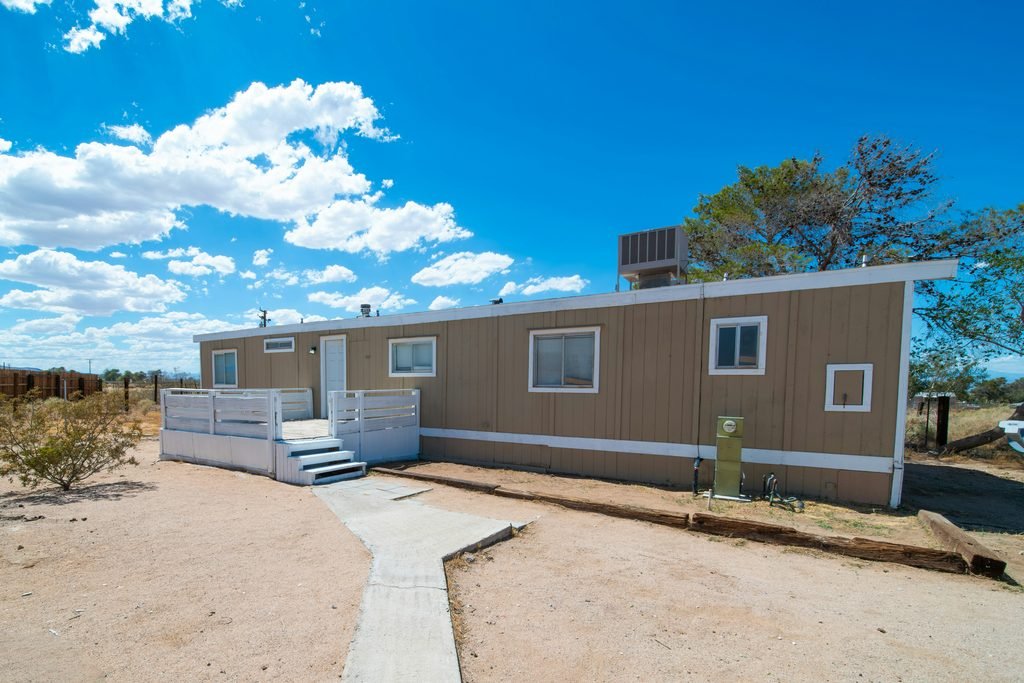
As for “what are manufactured homes made of,” “what are manufactured homes made out of” and “what is a manufactured home made of,” expect a steel chassis, light wood framing, sheathing and siding, with plumbing and wiring installed at the factory. “What do manufactured homes look like” and “what does a manufactured home look like” have a friendlier answer: modern units often have pitched roofs and porches and resemble site-built homes. The bare search “manufactured homes what are they” gets the same answers.
Mobile Homes, Trailer Homes and Moveable Homes
A mobile home is a manufactured home built before June 15, 1976, when the HUD Code took effect. That date is the whole difference. So “what is a manufactured home vs mobile home” comes down to when it was built, and “what are mobile manufactured homes” usually points to older units people still call mobile. These older homes typically use lighter framing and thinner materials than current code requires, which answers “what are mobile homes made of,” “what are mobile homes made out of” and “what are trailer homes made of.”
“Moveable homes” is a catch-all some people use for mobile, manufactured and tiny homes on wheels. A modular home isn’t moveable once it’s set. That’s also the clearest answer to “what is a modular home vs mobile home”: one is permanent real property built to local code, the other predates federal standards.
Sectional, Premade and Premanufactured Homes
What is a sectional home? Any home built in sections, so both modular homes and multi-section manufactured homes qualify. Premade homes, premade houses and premanufactured homes are marketing umbrella terms, and prefabricated covers modular, panelized, manufactured and kit homes. Then there’s “what is a manufactured modular homes,” a phrase that mixes two categories. Ask the seller which code the home was built to. Or maybe I should say it this way: ask for the paperwork that proves it. A HUD data plate points to a manufactured home, and many states require a modular label on modular units.
Quick Comparison
Here’s the table for “what is a modular home vs manufactured home,” “what is modular home vs manufactured home” and “what is a manufactured home vs modular.”
| Option | Best For | Key Benefit | Limitation |
| Modular home | Landowners who want a permanent, code-built house | Follows local codes; real property | Site costs, zoning and financing add steps |
| Manufactured home | Buyers focused on a lower upfront price | Built to the federal HUD Code | Financing and resale vary by foundation and land |
| Mobile home (pre-1976) | Existing owners on a tight budget | Lowest entry price | Predates the HUD Code; often hard to finance |
| Stick-built home | Steep lots and heavy customization | Maximum design freedom | Longer timeline and weather delays |
How Much Does a Modular Home Cost in 2026?
The question “what is a modular home” turns into “what does it cost?” within about five minutes. Here’s where most explanations fall apart. Sellers quote the house. Buyers pay for the whole project.
Angi’s 2025 data puts the average modular home at about $240,000, with most buyers paying $160,000 to $320,000, or roughly $80 to $160 per square foot. That’s the home itself. Land can add $10,000 to well over $200,000, delivery runs about $3,000 to $20,000, and Rocket Mortgage lists foundations at $7 to $30 per square foot and installation at $5 to $35. For an 1,800-square-foot plan, the home package alone lands between $144,000 and $288,000 before land.
| Cost item | Typical range reported | Notes |
| Home package (modules) | 80–160 per sq ft | Angi, 2025 data |
| Land | 10,000–200,000+ | Plot size, condition, location |
| Delivery | 3,000–20,000 | Distance from factory |
| Foundation | 7–30 per sq ft | Slab, crawlspace or basement |
| On-site installation | 5–35 per sq ft | Rocket Mortgage; crane and crew |
| Permits, utilities, finishing | Varies | Set by your town and site |
I’ve seen conflicting data — some guides stop at $80 to $160 per square foot, others quote $150 to $300 once everything’s installed. My read is that the higher range is closer to a finished, move-in-ready home.
Some experts argue modular always beats stick-built on price. That’s valid for repeat floor plans on flat, easy lots. But if you’re dealing with a steep site, a long delivery route or heavy customization, the gap can shrink fast.
My opinion, and some readers will push back: skip per-square-foot comparisons and ask every builder for an all-in, turnkey quote in writing. Per-square-foot numbers hide site costs, and site costs are where budgets break.
How to Choose a Modular Home Builder
Look, if you already own the land, here’s what actually works: get the site evaluated before you fall for a floor plan. A good modular home builder asks about soil, slope, road access and utilities in the first conversation. A modular builder who skips that is quoting a fantasy. Ask each company which approvals its factory holds, what the contract covers (foundation, crane, utilities, permits), how the deposit and payment schedule work, and whether you can visit new modular homes it has already set nearby.
Pros, Cons and Who Should Buy a Modular Home
An honest answer to “what is a modular home” includes the downsides, so here are both sides.
Pros
- Speed: factory and site work overlap, so projects often finish in months, not a year.
- Quality control: indoor building protects materials from weather.
- Cost control: the home package price is set early.
- Value: on a permanent foundation it’s real property and tends to appreciate with its market, especially where modular is common.
Cons
- Zoning and HOA rules: some towns and associations resist off-site construction.
- Financing: construction loans often need bigger down payments.
- Upfront payments: builders may want deposits before production starts.
- Hidden totals: land, foundation, delivery and crane are extra.
Who should buy one? Landowners with a buildable lot, people adding a backyard unit, and buyers in markets where modular homes already sell. It’s a poor fit if you need to move in next month or your HOA bans off-site construction.
How to Finance a Modular Home (and Manufactured or Mobile Homes)
This is general information, not financial advice, and loan terms vary by lender and state. Before a bank approves anything, someone has to answer “what is a modular home” on paper. On a permanent foundation it’s real property, so lenders treat it like a house. Most buyers use a construction-to-permanent loan that converts to a regular mortgage after the build, or a two-time-close loan that pairs a short construction loan with a separate mortgage. FHA loans (as little as 3.5% down for eligible borrowers) and VA loans can apply when the project meets program rules.
What Do You Need to Buy a Manufactured Home?
A down payment, decent credit, a place to put it and proof it meets the HUD Code. The place is either land you own or a leased lot, and that choice shapes the loan.
What Companies Finance Manufactured Homes?
People ask “what companies finance manufactured homes” and “what mortgage companies finance manufactured homes,” and the useful answer is a lender type, not a brand: banks, credit unions, FHA- and VA-approved lenders and manufactured-housing specialists. A home on owned land with a permanent foundation can qualify for a regular mortgage. A home on a leased lot usually gets a personal-property (chattel) loan with a higher rate and shorter term. “What companies refinance manufactured homes” follows the same logic.
For “what mortgage companies finance mobile homes” and “what do you need to finance a mobile home,” expect fewer options. Few mainstream lenders finance pre-1976 units, so plan on larger down payments, stricter inspections and paperwork showing the year built.
Quick Answers
What is a modular home, and is it the same as a prefab?
A modular home is a house built in factory sections and assembled on a permanent foundation. It follows local building codes. Prefab is the umbrella term; modular is one type.
How do I tell a modular home from a manufactured home?
Check the paperwork. Manufactured homes carry a HUD data plate and follow the federal HUD Code. Modular homes follow state and local codes and usually carry a modular label.
Should I buy a modular home or build a stick-built one?
Choose modular if your site is simple, your plan is repeatable and you want a shorter timeline. Choose stick-built for steep lots, heavy customization or when no local modular builder serves your area.
Why does a modular home cost more than the advertised price?
The advertised price usually covers the factory-built home only. Land, foundation, delivery, crane, utilities and permits come on top, and they can add tens of thousands of dollars.
When should I talk to a lender about a modular home?
Before you sign a builder contract. Down payments and draw schedules affect which builders and plans you can realistically choose.
Conclusion
So, what is a modular home? A real house with a different birthplace: built to local code in a factory, set on a permanent foundation, and treated as real property. It isn’t a mobile home, and it isn’t automatically the cheapest way to build.
The savings and speed are real when your lot is simple, your plan is repeatable and your budget counts land, foundation, delivery and the crane from day one. Check zoning and HOA rules first, ask which code each home was built to, and get all-in quotes from two or three local factories. Talk to a lender before you sign anything.