
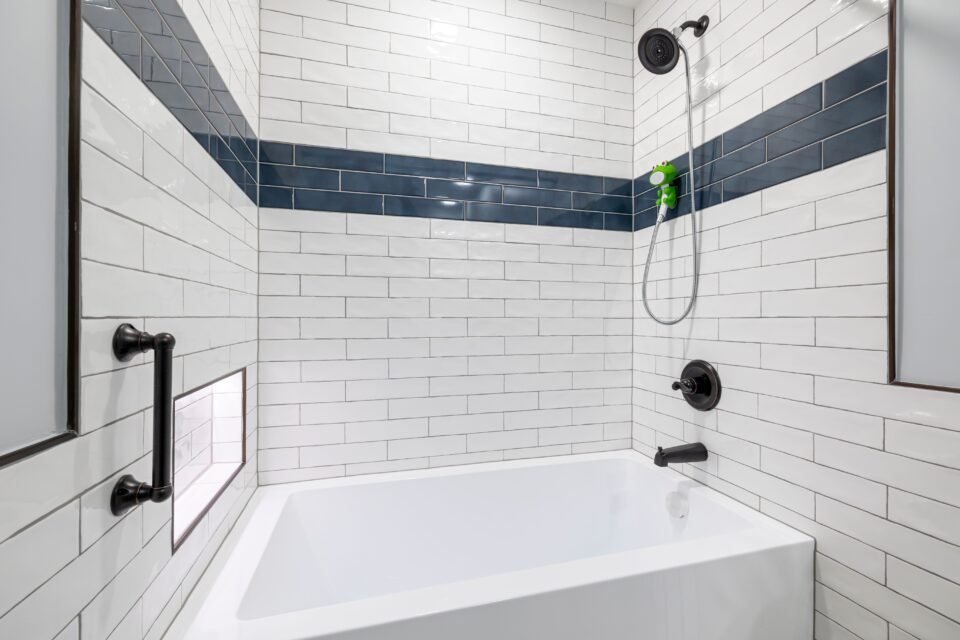
How To clean shower tiles safely, rinse the surface with warm water, apply a cleaner suitable for your tile material, gently scrub with a nonabrasive sponge, and rinse thoroughly. Dry the tiles with a microfiber cloth to prevent water spots and residue. For marble and other natural stone, use a pH-neutral stone cleaner and avoid vinegar or other acidic products.
The best way for How to clean shower tiles depends on the material, the type of buildup, and the condition of the grout. Ceramic and porcelain can usually tolerate more cleaning options than marble, limestone, or travertine. Choosing the wrong product can dull a finish, damage cement-based grout, or leave a residue that attracts more dirt.
This guide explains how to clean shower tiles and grout in six practical steps, remove soap scum and hard-water deposits, treat grout discoloration carefully, and keep your shower cleaner between deep cleans.
Quick Answer: What Is the Best Way to Clean Shower Tiles?
How to Clean Shower Tiles For most glazed ceramic and porcelain shower tiles, start with warm water and a compatible, nonabrasive tile cleaner. Use a soft sponge for the tile surface and a soft-bristle brush for the grout lines. Rinse away all cleaning residue and dry the surface.
For marble and other natural stone, use only a cleaner labeled safe for that specific stone. How to Clean Shower Tiles The Tile Council of North America warns that acids can attack cement-based grout, while Arizona Tile recommends pH-balanced cleaners and advises against vinegar and other acidic cleaners on natural stone.
Before you start: Identify your tile and grout type, read the cleaner’s label, test it in an inconspicuous area, and never mix cleaning products.
What Causes Shower Tiles to Look Dirty?
How to Clean Shower Tiles Understanding the type of buildup helps you choose the right cleaning method. Not every white mark, dark grout line, or dull surface has the same cause.
- Soap scum: A film that develops when soap ingredients combine with minerals in water and residue from bathing products. It can make tiles feel dull or slippery.
- Hard-water deposits: Minerals left behind as water evaporates. They may appear as white spots, cloudy patches, or a chalky film.
- Grout discoloration: Dirt, product residue, and moisture can collect in porous grout, making it appear gray, yellow, or brown.
- Mold and mildew: These may develop in damp areas with limited ventilation. Dark marks are not always mold, so check the surface and surrounding conditions before choosing a treatment.
- Cleaner residue: Too much product or inadequate rinsing can leave a sticky film that attracts dirt and makes tiles look dull.
Identifying the problem first helps prevent unnecessary scrubbing and reduces the risk of using an unsuitable chemical.
How to Clean Shower Tiles in 6 Safe Steps
Follow this process for routine cleaning of compatible ceramic or porcelain tiles. How to Clean Shower Tiles, If your shower contains natural stone, handmade tiles, specialty finishes, or unusual grout, follow the manufacturer’s care instructions instead.
Step 1: Gather the Right Cleaning Supplies

Prepare your supplies before applying any cleaner. Having everything nearby helps you work efficiently without letting cleaning products dry on the surface.
You will usually need:
- Warm water
- A cleaner approved for your tile and grout
- A nonabrasive sponge
- A soft-bristle grout brush
- Microfiber cloths
- A shower squeegee
- Protective gloves, if required by the product label
Avoid steel wool, wire brushes, and harsh scouring pads. These can scratch some finishes or damage grout.
If you have marble or another natural stone, choose a product specifically labeled for that material. Do not assume that a general bathroom cleaner is stone-safe.
Step 2: Rinse the Tiles With Warm Water
Rinse the shower walls and floor with warm water to loosen loose dirt, body-care residue, and some surface deposits.
Start at the top of the shower and work downward. This allows loosened dirt to move toward the drain rather than settling on areas you have already cleaned.
Warm water can help soften some soap residue, but it may not remove established soap scum or mineral deposits on its own.
Safety tip: Check that the shower floor is not slippery before moving around. If you are cleaning a large shower, work in manageable sections rather than wetting the entire area at once.
Step 3: Apply a Compatible Tile Cleaner
Choose a cleaner based on the tile material and the type of buildup.
For routine cleaning, a mild, compatible tile cleaner is usually a good starting point. For natural stone, use a pH-neutral product specifically labeled safe for the stone. How to Clean Shower Tiles Arizona Tile recommends warm water or a pH-balanced neutral cleaner for natural stone and advises avoiding acidic and strongly alkaline cleaners.
Apply the product according to its label. Allow it to remain on the surface only for the recommended contact time. Do not let it dry unless the instructions specifically permit that method.
If you are unsure whether the product is suitable, test it on a small, hidden area first. Check for changes in color, shine, or texture before cleaning the rest of the shower.
Step 4: Gently Scrub the Tile Surface
Use a nonabrasive sponge or soft cloth to loosen dirt and soap scum. How to Clean Shower Tiles Move in small, controlled circles or follow the manufacturer’s recommended technique.
Pay attention to corners, the area around fixtures, and places where shampoo and body wash collect. These spots often need more attention than the center of a tile.
Avoid applying excessive pressure. If the buildup does not come off easily, stop and reassess the cleaner rather than switching immediately to a stronger chemical or a rough scrubber.
For polished natural stone, use a soft cloth and an approved stone cleaner. Abrasive products can scratch or dull the surface.
Step 5: Clean the Grout Lines Separately
Grout can hold more dirt than the tile surface, particularly when it is cement-based and porous. Use a soft-bristle grout brush and a cleaner approved for your grout type.
Work gently along the joints. Do not use a wire brush or scrape the grout aggressively, as this can wear away the surface or loosen material.
The Tile Council of North America explains that cement-based grout can absorb stains and that acidic cleaners can dissolve its cement component. Its guidance recommends suitable alkaline or specialty grout cleaners rather than treating vinegar as a universal solution.
Epoxy grout is generally more stain-resistant than cementitious grout, but it still needs appropriate cleaning. Follow the grout manufacturer’s instructions, especially if you are unsure which type was installed.
Step 6: Rinse Thoroughly and Dry the Tiles
Rinse the walls, floor, and grout lines until all visible cleaner and loosened residue are gone. Leftover cleaning solution can leave a film that attracts dirt.
Wipe the tiles with a clean microfiber cloth. How to Clean Shower Tiles Use a squeegee on suitable shower surfaces to remove excess water, taking care not to damage delicate finishes.
Drying is particularly useful in areas with hard water because it reduces the amount of mineral residue left behind as droplets evaporate. How to Clean Shower Tiles It also helps limit persistent moisture on grout and other shower surfaces.
Once the shower is dry, inspect the tiles in good light. If a stain remains, identify its likely cause before repeating the process or selecting a specialized cleaner.
Quick Comparison: Which Cleaner Is Best for Your Shower?
| Option | Best For | Key Benefit | Limitation |
| Warm water and a soft cloth | Light dirt and routine maintenance | Gentle starting point | May not remove established buildup |
| Compatible everyday tile cleaner | Glazed ceramic and porcelain | Convenient for routine cleaning | Must be approved for the surface and grout |
| pH-neutral natural-stone cleaner | Marble and other suitable natural stone | Helps clean without using acidic products | Check the label for the exact stone type |
| Compatible grout cleaner | Dirt and stains in grout lines | Targets buildup around joints | Some formulas may be unsuitable for colored grout or nearby stone |
| Manufacturer-approved hard-water remover | Mineral deposits on compatible surfaces | Designed for specific mineral buildup | Some descalers can damage natural stone and cement-based grout |
| Microfiber cloth and squeegee | After-shower maintenance | Removes moisture and helps limit residue | Does not replace periodic cleaning |
There is no single best shower-tile cleaner for every bathroom. The safest choice is the product that matches the tile, grout, and specific cleaning problem.
How to Clean Different Types of Shower Tiles
The tile material matters because a cleaner that works on one surface may damage another.
How to Clean Ceramic Shower Tiles
How to Clean Shower Tiles Glazed ceramic tile is generally straightforward to maintain. For routine cleaning, use warm water and a compatible tile cleaner, then wipe with a nonabrasive sponge.
To clean ceramic tile in the shower:
- Rinse the surface with warm water.
- Apply a suitable cleaner according to its label.
- Gently wipe the tiles.
- Use a soft brush on compatible grout.
- Rinse and dry thoroughly.
Avoid assuming that every ceramic tile has the same finish. Decorative, handmade, unglazed, or specialty ceramic tiles may require different care. Check the tile manufacturer’s guidance before using stronger products.
How to Clean Porcelain Shower Tiles
How to Clean Shower Tiles Porcelain tiles are often dense and relatively easy to maintain, but their finishes still matter. Polished, textured, and decorative porcelain may respond differently to scrubbing.
Use a compatible tile cleaner and a soft sponge. Rinse thoroughly to prevent residue from building up, particularly on textured surfaces and grout joints.
For stubborn soap scum, use a product approved for the specific porcelain finish. Do not use a harsh descaler without checking its label, especially when cement-based grout or natural stone is nearby.
How to Clean Marble Shower Tiles
Marble requires extra care because acids can etch its surface and dull the finish. Vinegar, lemon juice, and acidic bathroom cleaners should not be used as routine marble cleaners.
Instead:
- Rinse the marble with clean water.
- Apply a pH-neutral cleaner labeled safe for marble.
- Wipe gently with a soft cloth.
- Rinse away the product completely.
- Dry with a clean microfiber cloth.
Avoid abrasive powders and scouring pads. How to Clean Shower Tiles Arizona Tile’s natural-stone care guidance explains why gentle, pH-balanced cleaning is preferable for natural stone.
How to Clean Other Natural Stone Shower Tiles
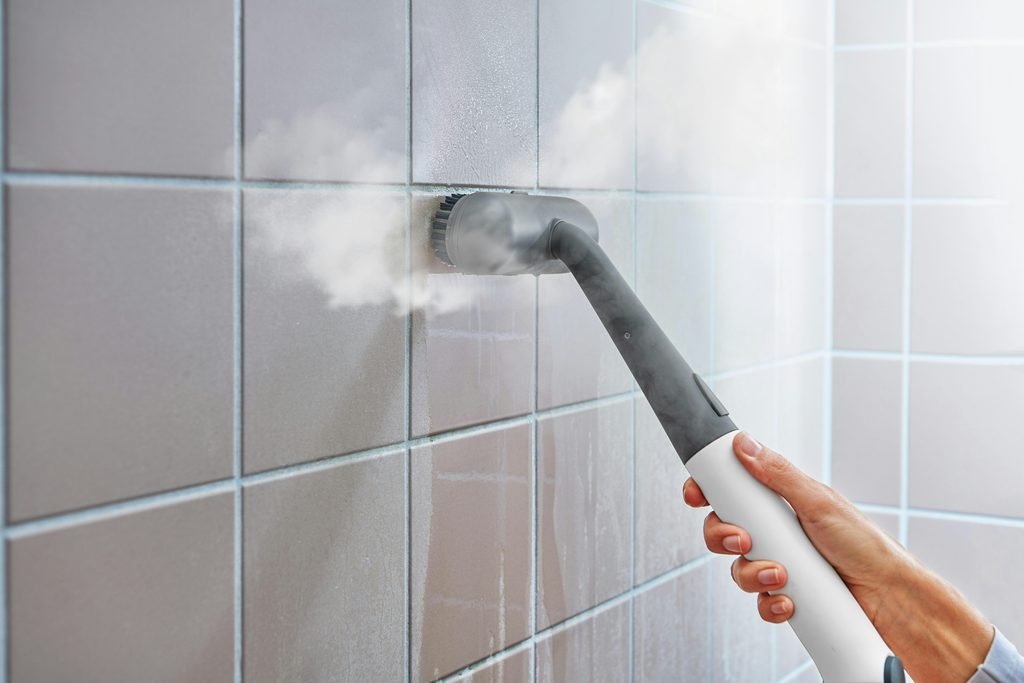
Granite, travertine, limestone, slate, and other natural stones can have different levels of porosity, surface treatments, and cleaning requirements.
Use warm water or a cleaner approved for your specific stone. How to Clean Shower Tiles Avoid vinegar, acidic descales, and strongly alkaline products unless a qualified stone-care professional or the manufacturer specifically approves the product for your surface.
Do not assume that a sealed stone surface is immune to chemical damage. How to Clean Shower Tiles Sealing may help reduce absorption, but it does not make every cleaner safe.
If you notice etching, persistent discoloration, surface deterioration, or stains that do not respond to routine cleaning, seek advice from a natural-stone care professional.
How to Clean Shower Grout Without Damaging It
Grout type affects how much moisture and staining it can absorb. It also determines which cleaning products are suitable.
Cement-Based Grout
Cementitious grout is porous and may absorb stains. How to Clean Shower Tiles Use a compatible grout cleaner, a soft-bristle brush, and gentle pressure.
Avoid vinegar and other acidic cleaners because acids can attack the cement in the grout. The Tile Council of North America explains this risk in its grout-cleaning guidance.
After cleaning, rinse thoroughly. How to Clean Shower Tiles Residue left behind can create a sticky film that attracts dirt.
Epoxy Grout
Epoxy grout is generally more stain-resistant than cement-based grout. However, it can still collect surface residue and needs regular cleaning.
Use a cleaner approved by the grout manufacturer. How to Clean Shower Tiles Avoid experimenting with high heat, steam, strong chemicals, or abrasive tools unless the manufacturer confirms they are appropriate for the installed product.
Sanded and Unsanded Grout
Sanded and unsanded grout differ in composition and intended use. Do not assume that a cleaning method is safe simply because it works on another grout joint.
Use a soft brush, avoid aggressive scraping, and check the grout manufacturer’s guidance if the grout is colored, delicate, damaged, or unusually textured.
Should You Seal Shower Grout?
Sealing may help protect compatible cement-based grout from absorbing certain stains. It is not a substitute for cleaning, drying, or repairing damaged grout.
The Tile Council of North America generally identifies sealing as a useful option for cementitious grout, while epoxy grout has different stain-resistance characteristics. How to Clean Shower Tiles Follow the grout and sealer manufacturers’ instructions before applying a sealer.
Do not seal grout that is dirty or damp, or apply a product without confirming that it is suitable for your grout and shower assembly.
How to Remove Soap Scum From Shower Tiles
Soap scum often appears as a dull, cloudy film on shower walls, especially where soap and body-care products collect.
For ceramic or porcelain, start with a cleaner labeled suitable for the tile and the type of residue. Let the product work for the label’s recommended time, then gently wipe the surface and rinse thoroughly.
If the film remains, repeat the approved method rather than immediately using a more aggressive cleaner.
For marble and other natural stone, use a stone-safe product. How to Clean Shower Tiles Do not automatically apply vinegar or an acidic soap-scum remover, as these may damage the surface.
For years of built-up soap scum, several gentle cleaning rounds may be safer than one aggressive treatment. If the surface remains cloudy after cleaning, the problem may be etching, a damaged finish, or another type of deposit rather than ordinary soap scum.
How to Remove Hard-Water Stains From Shower Tiles
Hard-water deposits often appear as white spots, chalky patches, or a cloudy film. How to Clean Shower Tiles The right treatment depends on the tile and grout around the deposits.
For ceramic and porcelain: Start with a compatible tile cleaner and a soft cloth. If mineral deposits remain, consider a hard-water remover specifically labeled safe for the tile and grout. Follow the directions and test a hidden area first.
For marble and other natural stone: Do not use vinegar or a typical acidic descale. These products may etch the stone. How to Clean Shower Tiles Use a cleaner approved for the specific stone, and seek professional advice if the mineral deposits do not respond to safe cleaning.
For cement-based grout: Avoid acidic treatments unless a qualified professional has assessed the situation. Acids can damage the cement component of the grout.
Do not use a product on an entire shower simply because it removed a mark from one tile. Check the label for all surfaces the product may contact, including grout, metal fixtures, and natural stone.
How to Handle Mold, Mildew, and Discolored Grout
Dark or orange marks in grout may result from mold, mildew, soap residue, minerals, or other staining. How to Clean Shower Tiles The appearance alone does not always establish the cause.
Start by cleaning the surface with a product labeled suitable for the affected tile and grout. Follow the product’s directions, use appropriate protective equipment, and ventilate the bathroom.
How to Clean Shower Tiles The US Environmental Protection Agency advises that bleach is not recommended as a routine solution for every mold-cleanup situation. Cleaning visible growth and addressing the moisture problem are important. See the EPA’s mold-cleaning guidance.
Important precautions:
- Never mix bleach with vinegar, ammonia, acids, or other cleaning products.
- Do not apply a mold treatment to marble or other natural stone unless the label confirms compatibility.
- Do not assume that dark grout is mold; some stains may remain after surface cleaning.
- Repair leaks and improve ventilation if moisture keeps returning.
- If mold is widespread, keeps returning, or appears to extend behind tiles or into walls, consider professional assessment.
How to Clean Shower Tiles If grout is cracked, crumbling, or persistently discolored despite appropriate cleaning, it may need repair or replacement rather than stronger chemicals.
What Should You Avoid When Cleaning Shower Tiles?
How to Clean Shower Tiles A few common cleaning mistakes can cause more damage than the original buildup.
Avoid vinegar on marble and other acid-sensitive stone. Acids can etch delicate stone and attack the cement in cement-based grout.
Do not mix cleaning chemicals. Combining products can release dangerous fumes. How to Clean Shower Tiles The EPA recommends reading labels, checking surface compatibility, increasing ventilation, and never mixing cleaning products. See its cleaning-product safety guidance.
Avoid abrasive tools. Steel wool, wire brushes, and harsh scouring pads may scratch tile finishes or wear down grout.
Do not leave cleaner on longer than directed. Longer contact time does not automatically improve results and may damage sensitive surfaces.
Do not ignore the grout. A tile surface can look clean while the joints still hold dirt and residue.
Do not use steam automatically. Steam may be unsuitable for some tiles, grout, sealers, adhesives, or installations. Check the manufacturers’ instructions before using a steam cleaner.
How Often Should You Clean Shower Tiles?
A simple routine helps prevent stubborn buildup and reduces the need for intensive scrubbing.
| Frequency | Recommended Task | Why It Helps |
| After each shower, when practical | Squeegee suitable surfaces and remove excess water | Reduces water spots and residue |
| Weekly | Clean tile surfaces and visible grout buildup | Helps prevent soap scum from accumulating |
| As needed | Treat specific stains with a compatible cleaner | Avoids unnecessary use of stronger chemicals |
| Periodically | Inspect grout, sealant, ventilation, and signs of leaks | Helps identify maintenance issues early |
The ideal schedule depends on shower use, water hardness, ventilation, and the tile material. How to Clean Shower Tiles A heavily used shower may need more frequent cleaning than a guest bathroom.
How to Keep Shower Tiles Clean Longer
A few small habits can make routine cleaning easier.
- Use a squeegee: Remove excess water from compatible tile surfaces after showering.
- Ventilate the bathroom: Run the exhaust fan according to its instructions and allow damp surfaces to dry.
- Rinse away product residue: Do not allow shampoo, body wash, and cleaning products to accumulate.
- Keep a microfiber cloth nearby: Use it to dry suitable surfaces and remove water droplets.
- Clean small areas regularly: Address visible buildup before it becomes difficult to remove.
- Inspect grout and sealant: Repair damaged joints and follow the manufacturer’s recommendations for sealing.
- Choose compatible products: Keep a cleaner specifically approved for your tile and grout instead of using one product on every surface.
How to Clean Shower Tiles If water spots or mold keep returning, investigate ventilation, leaks, or water conditions rather than relying on more frequent chemical treatments alone.
Frequently Asked Questions
What is the best way to clean shower tiles without damaging them?
Use warm water, a cleaner approved for your tile material, a nonabrasive sponge, and a soft-bristle brush for compatible grout. Rinse thoroughly and dry the surface. How to Clean Shower Tiles For marble and other natural stone, choose a pH-neutral cleaner labeled safe for that specific stone.
Can I use vinegar to clean shower tiles and grout?
Vinegar is not a universally safe shower cleaner. Acids can etch marble and other acid-sensitive natural stone, and the Tile Council of North America warns that vinegar can attack cement-based grout. Check the tile and grout manufacturer’s instructions before choosing any acidic cleaner.
How do I remove soap scum from shower tiles?
Use a compatible cleaner designed for the tile surface, follow its recommended contact time, and gently wipe with a nonabrasive sponge. Rinse thoroughly. For natural stone, use a stone-safe product rather than assuming a general soap-scum remover is suitable.
How do I clean shower grout that looks dark or moldy?
Start with a grout-compatible cleaner and a soft brush. Follow the label, ventilate the bathroom, and never mix cleaning chemicals. Dark marks can have several causes, so persistent discoloration or recurring growth may require further assessment and moisture control.
How can I prevent hard-water stains on shower tiles?
Use a squeegee after showering and dry water droplets from compatible surfaces. Clean regularly with a suitable product. If deposits still form, choose a hard-water treatment that is specifically approved for your tile and grout; do not use acidic descales on marble or other acid-sensitive stone.
Conclusion
Learning how to clean shower tiles safely starts with identifying the tile and grout materials. Use a compatible cleaner, gentle tools, thorough rinsing, and regular drying instead of relying on harsh chemicals or aggressive scrubbing.
How to Clean Shower Tiles Ceramic and porcelain often need only routine cleaning, while marble and other natural stone require more careful product selection. Cement-based grout also needs special attention because acidic cleaners can damage it.
How to Clean Shower Tiles Keep your shower looking its best with a simple weekly cleaning routine. Explore our bathroom cleaning and organization guides for more practical ways to maintain a fresh, tidy home.