
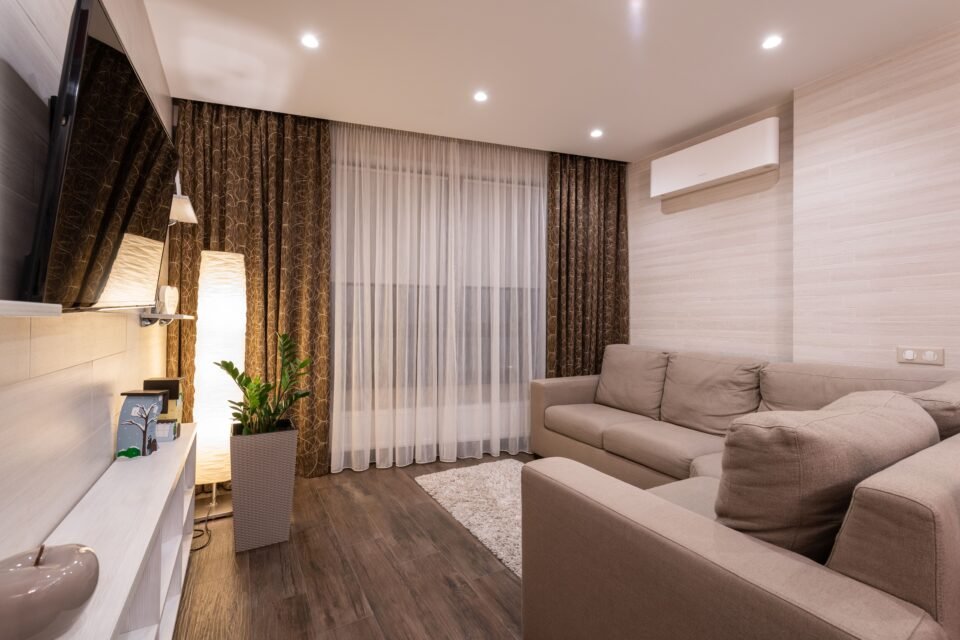
The right curtains can make a living room feel taller, softer, brighter or more private. They also help manage daylight, glare and the view from outside. But choosing curtains is not only about picking a colour that matches the sofa. Fabric, lining, length, width, heading style and the direction of sunlight all affect how the finished room looks and works.
This guide explains how to choose curtains for a living room, compare popular styles, measure your windows and avoid common buying mistakes. Whether you prefer a simple modern look, elegant drapes, patterned fabric or a layered design, start with the room’s needs before choosing the final look.
which curtains work best in a living room?
For a balanced everyday setup, consider light-filtering curtains or sheer Curtains for living room daytime brightness, paired with lined or blackout panels when you need more privacy and light control. Curtains for living room Linen-look and cotton fabrics suit relaxed spaces; velvet and other heavier fabrics create a richer appearance and can help reduce incoming light when properly lined. Hang the curtain rod or track higher than the window frame where practical, and choose enough width for the curtains to form soft folds when closed.
Bright room with a view: sheer or semi-sheer curtains.
Strong afternoon sun or screen glare: lined, thermal or blackout curtains, selected for the actual performance you need.
Small living room: simple panels in a similar tone to the walls can keep the look calm.
Formal or luxury interior: full-length drapes, a tailored heading and a well-fitted track.
Awkward, bay or very wide windows: measure each section carefully and consider a track or custom-made solution.
1. Popular living room curtain styles
Sheer and semi-sheer curtains
Sheer curtains soften direct daylight without making a room feel closed in. White sheer curtains for living room windows are a common choice, but ivory, warm white and light neutral shades can look softer against cream or beige walls. Curtains for living room Semi-sheer curtains offer a little more visual coverage while still allowing daylight through. They are useful when you want an airy room, although they generally do not provide reliable privacy after dark when lights are on indoors.
Linen and cotton curtains
Linen curtains and cotton curtains create a relaxed, natural texture. Linen-look fabric can work especially well with neutral curtains, timber furniture and simple modern interiors. Check the care label before buying: some natural fabrics wrinkle, shrink or require professional cleaning, while blends may be easier to maintain. The best fabric is the one that suits your room’s light, maintenance needs and preferred appearance—not simply the one that looks best in a product photo.
Blackout, lined and thermal curtains
Blackout curtains for living room windows can be helpful in media rooms, bright west-facing spaces or homes where daytime glare is a problem. Lined curtains add body and may improve privacy and light control, but ordinary lining does not automatically make a curtain blackout. Curtains for living room Thermal or insulated drapes are designed to reduce heat transfer to some degree, but results depend on the fabric, lining, fit and gaps around the window. Check product-specific descriptions rather than relying on the label alone.
Velvet, luxury and designer curtains
Velvet and other heavier fabrics create a more formal, layered look. Luxury curtains for living room interiors often use full-length panels, rich texture and a restrained colour palette. Heavy curtains can visually frame large windows, but they may collect dust and require more care. For a designer finish, focus on accurate measurements, even hems, suitable hardware and enough fabric fullness rather than relying on decoration alone.
Printed, patterned and colourful curtains
Printed curtains for living room spaces can introduce colour without repainting the room. Patterned curtains work best when their scale suits the room: a large motif can anchor a spacious lounge, while a smaller or quieter pattern may be easier to live with in a compact space. Beige, ivory, off-white, tan and gray living room curtains are versatile options. Black, navy, green, red or orange curtains can create a stronger accent, especially when the rest of the room uses simpler colours.
Valances and window toppers
Valances, window valances and other window toppers cover the upper part of a window treatment. Curtains for living room They can suit traditional or decorative interiors, but they are not essential for every room. In a modern living room, a clean track and full-length panels may look less busy. If you choose curtains for living room with a valance, make sure the topper does not crowd the ceiling or compete with an existing cornice, lighting fixture or decorative molding.
2. Curtains, drapes, blinds and shades: what is the difference?
The terms curtains and drapes are often used interchangeably, although drapes commonly refers to fuller or heavier panels. Blinds use slats or a structured material that can be tilted or raised, while shades are usually a continuous fabric or woven covering that rolls, folds or stacks. Roman shades, roller blinds and window blinds for living room spaces can be practical where furniture sits close to the window or where a neat, compact covering is preferred.
| Option | Best for | Consider before choosing |
| Sheer curtains | Soft daylight and an airy appearance | Limited night privacy; may need a second layer. |
| Lined or blackout curtains | Privacy, glare reduction and darker rooms | Confirm the actual light-blocking level and fit. |
| Roman shades | A tailored, structured window treatment | Check stacking space and operating clearance. |
| Roller blinds | Simple operation and a compact appearance | May look less soft than fabric panels on their own. |
| Double-layer curtains | Flexible daylight and privacy control | Requires enough track space and correct measuring. |
Curtains and blinds can also be used together. Curtains for living room A blind handles practical light control close to the window, while side curtains soften the room and frame the opening. This combination is useful when privacy, glare and appearance all matter, but check that the blind, curtain stack and nearby doors or furniture can operate without obstruction.
3. How to choose the right colour
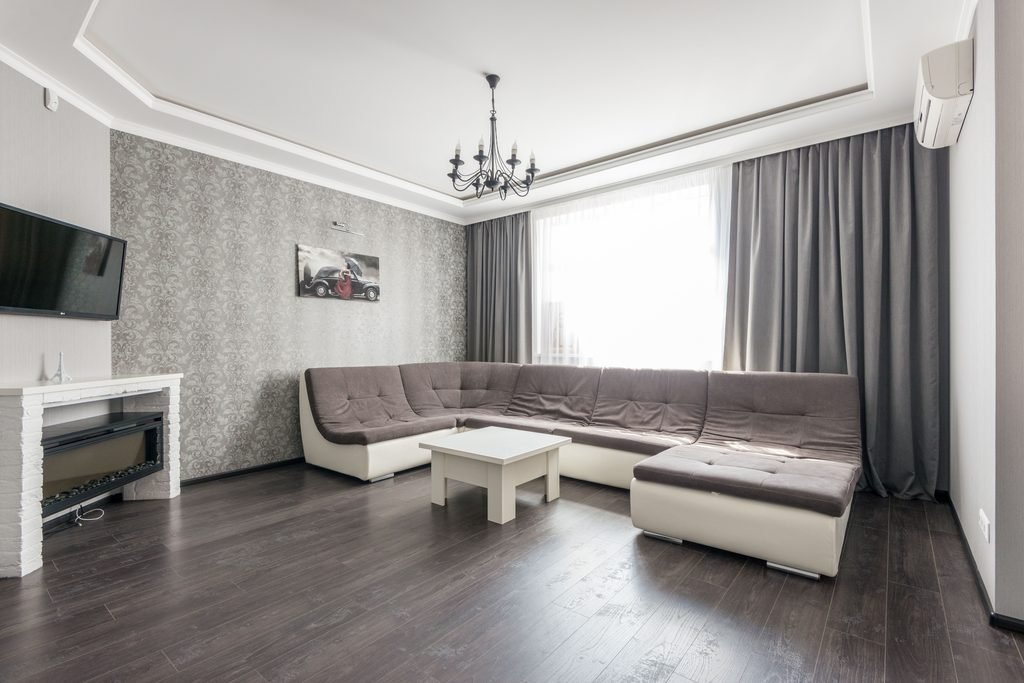
Start with the fixed colors in the room: wall paint, flooring, large furniture and rugs. Neutral curtains—such as white, ivory, off-white, beige, tan and gray—are easy to Curtains for living room coordinate and can make a room feel calmer. White drapes and white sheer curtains brighten a space visually, while gray curtains can sit comfortably with cool neutrals, stone finishes and black hardware. Warm beige or ivory often works well with wood, cream and warmer paint colors.
If you want a stronger accent, choose a colour already present in a cushion, artwork or rug. Curtains for living room Green curtains or green drapes can connect with plants and natural textures; navy, black, red or orange panels can provide contrast. Black and white curtains or a restrained geometric pattern can suit contemporary rooms, while floral or colourful curtains may fit a more expressive style.
For a small room, try a wall-adjacent colour to reduce visual contrast.
For a bold look, repeat one curtain colour in two or three small accessories.
For patterned curtains, keep other large patterns limited or coordinate their scale.
View fabric samples in both daylight and evening lighting; online images can shift colour.
4. How to measure curtains for your living room
Accurate measuring is one of the most important steps, especially for long curtains, extra-long curtains, wide curtains or custom-made panels. Measure the rod or track you plan to use rather than guessing from the glass size alone.
Measure the rod or track width. If you want curtains to stack outside the window, account for the available wall space on both sides.
Choose the curtain length. Curtains for living room Measure from the intended top point—such as the track or rod ring—to the desired bottom point.
Decide how the hem should sit. Curtains for living room may stop just above the floor, lightly touch it, or puddle slightly. A clean floor-kiss finish is often easier to maintain.
Work out the total fabric width. The combined width of the panels should exceed the track width so the curtains form folds when closed. The right fullness depends on the fabric and heading.
Check obstacles. Note radiators, air-conditioning units, window handles, furniture, doors and any bay-window corners.
Confirm what is included. Curtains for living room Check whether a curtain set contains one panel or a pair, and whether hooks, rings, tracks or tiebacks are included.
Extra-wide or large curtains may need joined widths or a made-to-measure solution. For bay windows, measure each section and check how the track will turn at the corners. If you are ordering custom curtains for living room windows, share the measurements, photos and preferred heading with the supplier before confirming.
5. Choose a heading and hanging style
The heading determines how a curtain attaches to its rod or track and how it folds. Eyelet curtains slide onto a rod through metal or fabric-reinforced rings and create broad, regular waves. Pinch pleats have a more tailored appearance and often need compatible hooks and track or rings. Wave headings create a uniform, contemporary drape when paired with the correct track and spacing.
Curtains for living room Curtains with rings can be easy to move and suit many casual or traditional rooms. Before choosing, check the hardware, how far the panels will stack when open, and whether the heading works with the width and weight of the fabric. A beautiful fabric can still look wrong if the heading is poorly matched or the panels are too narrow.
6. Best curtains for different living rooms
Small living rooms
In a small living room, use simple, long panels and avoid unnecessary layers if they make the window feel crowded. Curtains for living room Hanging curtains closer to the ceiling can draw the eye upward, provided the wall and window arrangement allow it. Light neutrals and subtle textures can keep the space open, while a single patterned panel or accent colour adds personality.
Large windows and open-plan lounges
Large windows often need wider or multiple curtain panels to look balanced. Extra-wide curtains, long drapes and ceiling-height panels can make a large room feel finished, while a continuous track may create a cleaner line across several windows. Curtains for living room Measure each opening and consider how much fabric will stack to the side when the curtains are open.
Bay windows and awkward layouts
Curtains for bay windows in living room spaces need careful planning because each angle affects how the panels travel. A flexible track or separate sections may be appropriate, depending on the shape. Keep handles, doors and seating clear, and check that the curtain fabric can move around the corners without catching.
Family rooms and drawing rooms
Curtains for living room Family rooms usually benefit from durable fabric that is straightforward to clean, while a formal drawing room may suit a more tailored or decorative finish. The same principles apply to sitting room Curtains for living room and front room curtains: select for the way the room is used, how much sunlight it receives and the level of privacy needed.
9. Privacy, sunlight and everyday comfort
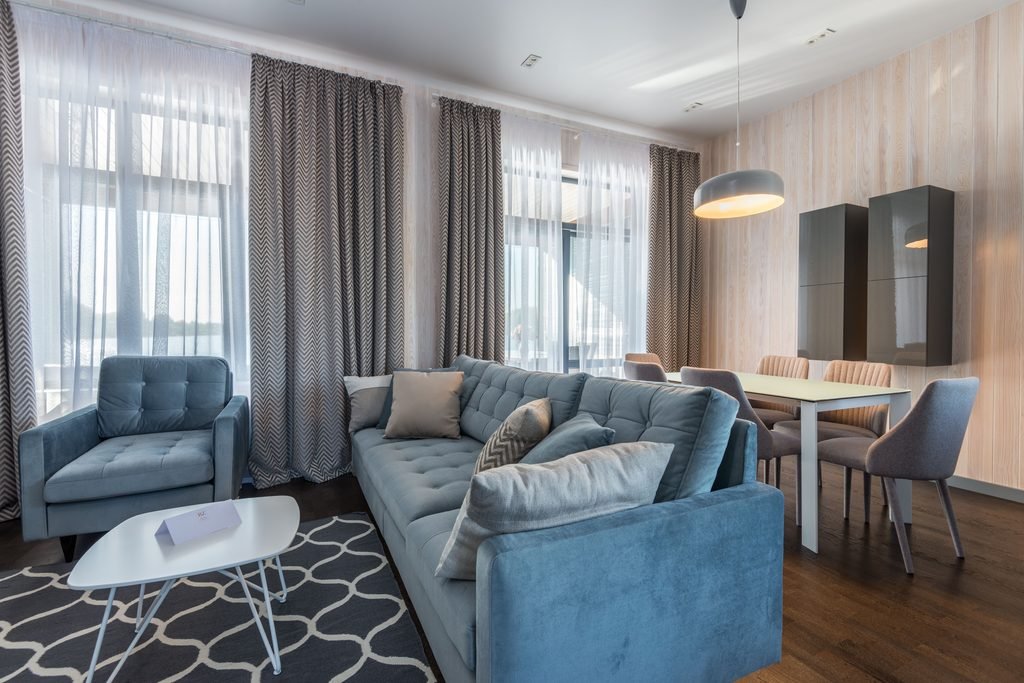
Watch how sunlight enters the living room during the day. Strong afternoon sun may call for lined curtains, while a shaded room may benefit from lighter fabric. If sunlight causes television or laptop glare, check whether the panels can cover the full glass area. Narrow curtains that leave gaps at the sides may not solve the problem.
Privacy depends on the view from outside and the time of day. Curtains for living room Sheers may soften views in daylight, but indoor lighting can make the room visible after dark. Curtains for living room If your windows face a street or neighboring building, pair sheers with lined curtains or blinds. Check the setup at night and make sure it is easy to close.
In dusty homes, consider cleaning needs as well as appearance. Heavy textured fabrics may collect more dust and take longer to clean. Choose a fabric and heading that are easy to maintain, and ensure panels do not block doors or scrape furniture. Secure the hardware properly, especially in homes with children or pets.
Double-layer curtains combine a sheer inner layer with a heavier outer layer. Keep the sheers closed for soft daylight, then close the outer panels when you need more privacy or light control. Check that the track has room for both layers and that each can move independently. Confirm the lining, finished width, hardware and cleaning method before ordering.
10. A simple checklist before you order
Before ordering, confirm the track width and finished length. Decide whether daylight, privacy, glare control or appearance matters most. Curtains for living room Compare fabric samples with your walls and furniture, then read the care label. Check how many panels are included, each panel’s width, whether lining is supplied, and whether the price includes hardware or installation. Curtains for living room This helps you compare budget, custom-made and designer curtains fairly.
7. Common curtain-buying mistakes to avoid
Choosing by colour alone without checking fabric composition, lining and cleaning instructions.
Buying too little fabric, which can leave panels looking flat when closed.
Measuring only the glass instead of the rod or track and the desired finished drop.
Assuming every lined curtain for living room is blackout or every thermal curtain will noticeably change room temperature.
Using sheer curtains as the only privacy layer in a room that is visible from outside at night.
Ignoring the space needed for curtains to stack beside a window or clear a door, sofa or air-conditioning unit.
Choosing a very heavy fabric for a weak rod or unsuitable fixing.
Buying a pair without checking whether the listed size applies to one panel or both panels together.
If you are comparing cheap Curtains for living room with higher-priced options, compare the total usable width, lining, finish, hardware requirements and care instructions—not only the sticker price. A well-fitted, appropriately chosen simple curtain can look better than an expensive panel that is the wrong size.
8. Care and maintenance
Dust curtains regularly with a suitable vacuum attachment or follow the fabric maker’s care instructions. Curtains for living room Before washing, check the label and test any spot-cleaning method in an inconspicuous area. Velvet, lined drapes and some natural fabrics may need specialist care. Rotate or open panels periodically so sunlight exposure is not concentrated in one narrow area, and inspect tracks and rings if the curtains begin to snag.
9. Extra tips for choosing curtains that last
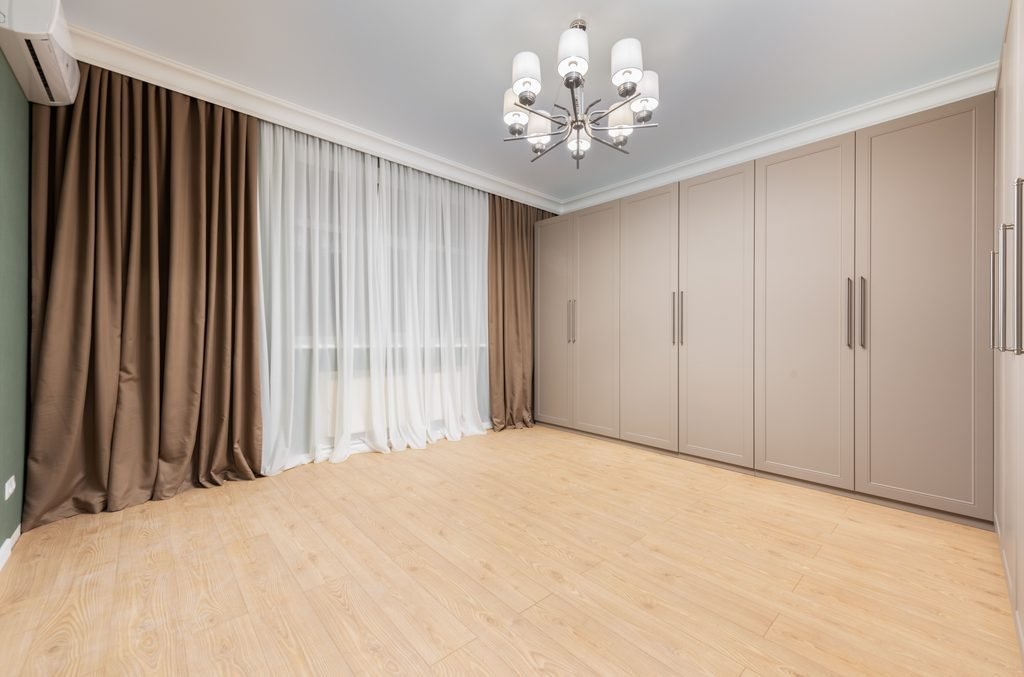
Think about how often the curtains will be opened and closed. A window used every day needs a smooth-running track or rod, strong brackets and fabric that can handle regular movement. Curtains for living room If the curtains are wide or heavy, ask whether the hardware is rated for their weight and whether additional supports are needed. A sturdy installation helps prevent sagging and makes the panels easier to operate.
Consider the direction of the window before choosing a fabric. Rooms that receive strong direct sun for several hours may experience fading, particularly when the curtains are made from delicate or deeply coloured material. A lining can offer an extra layer of protection, although no fabric is completely immune to sunlight. If you are investing in designer curtains, ask the supplier about colourfastness, lining options and recommended care.
It is also worth planning the curtain arrangement around the furniture. A panel that falls behind a sofa may be difficult to reach, while curtains near a balcony door should not obstruct the handle or passage. For windows above a radiator or air-conditioning unit, check the manufacturer’s guidance and leave appropriate clearance so the curtains do not interfere with airflow or equipment. Small practical details can make a noticeable difference to everyday comfort.
When comparing prices, look beyond the headline cost. Confirm the fabric composition, finished panel dimensions, lining, heading, stitching quality and whether installation is included. A low-priced set may contain narrower panels or only one curtain, while a custom-made option may include the exact width and drop you need. Ask for a written breakdown if the quotation includes fabric, tailoring, tracks, fittings and installation. This makes it easier to compare like-for-like options and avoid unexpected costs.
Finally, take a little time to test the complete setup before placing a large order. If possible, bring fabric samples home and view them beside the sofa, flooring and wall colour in morning light and in the evening. Curtains for living room Check how the fabric looks when gathered as well as when fully closed, because texture and colour can appear different in folds. A sample cannot show every detail of the finished curtain, but it can help you avoid choosing a shade or weight that feels wrong once installed.
Frequently asked questions
What are the best curtains for a living room?
The best curtains depend on daylight, privacy, style and maintenance. Sheer or semi-sheer panels suit bright rooms; lined or blackout curtains help when glare and privacy are priorities; linen-look, cotton, velvet and printed fabrics create different decorative effects.
Are blackout curtains necessary in a living room?
Not always. They can be useful for strong sunlight, TV glare or a media room, but a lined curtain, blind or layered setup may be enough. Choose according to the actual light-control need.
Should living room curtains touch the floor?
Full-length curtains usually create a polished look. They can stop just above the floor or lightly touch it. A puddled hem is more decorative but can collect dust and may be less practical in busy rooms.
Are white or beige curtains better?
Neither colour is universally better. White can feel crisp and bright; beige, ivory and off-white often feel warmer. Compare fabric samples with your wall colour, flooring and furniture in the room’s actual light.
Can I combine curtains and blinds?
Yes. Blinds can provide close-fitting light control, while curtains add softness and frame the window. Make sure both treatments have enough operating and stacking space.
How many curtain panels do I need?
It depends on the track width, panel width, fabric fullness and whether the product is sold as a single panel or pair. Check the supplier’s finished dimensions and pack contents before ordering.
How can I make a living room look taller with curtains?
Where the layout allows, place the rod or track higher than the top of the window and use long panels that reach close to the floor. This draws the eye upward and creates a continuous vertical line. Curtains for living room Avoid choosing a length that leaves an unintended gap above the floor, and measure from the actual hanging point before ordering.
Conclusion
The best curtains for a living room balance appearance with everyday function. Begin by deciding how much daylight and privacy you need, then compare fabric types, lining, colour, heading and length. Measure the rod or track carefully, allow enough fabric for natural folds, and check how the panels will move around furniture, doors and bay-window corners.
Whether you prefer modern curtains for living room interiors, elegant drapes, sheer layers, blackout panels or a bold printed design, a thoughtful fit will make more difference than following a trend alone. Choose curtains for living room that suit the way you use the room, verify the product details before buying, and use real fabric samples whenever possible.