
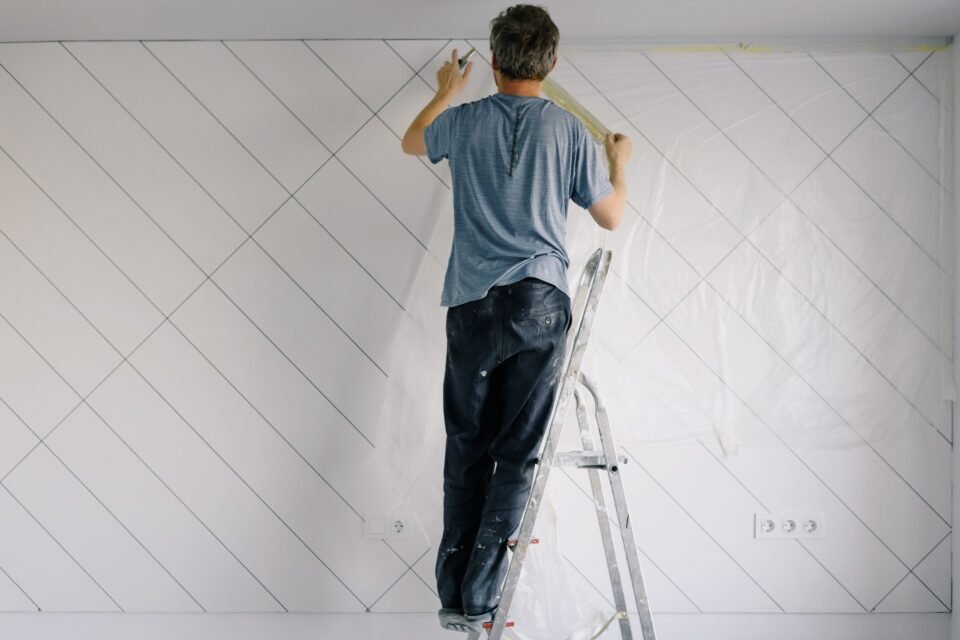
Removing wallpaper is easier when you choose the method for the wallpaper and the wall beneath it—not simply the tool you already own. how to remove wallpaper Some wallpaper peels away dry; other types need warm water, a wallpaper-removal solution, or a steamer. The biggest mistake is using too much moisture or scraping too aggressively, especially on drywall.
This guide explains how to identify your wallpaper, choose a safe removal method, remove stubborn backing and glue, troubleshoot common problems, and prepare the wall for paint or new wallpaper. Start with a small test patch before treating the whole room.
What Is the Best Way to Remove Wallpaper?
First, lift a corner or seam gently to see whether the wallpaper releases dry. If it does, peel it slowly at a low angle. If a backing layer remains, dampen that layer with a suitable wallpaper remover and lift it with a plastic scraper. For traditional paper that resists dry removal, use controlled moisture or a wallpaper steamer according to the product instructions. On drywall, use as little moisture as possible and stop if the surface becomes soft or starts tearing.
1. Identify Your Wallpaper Type First
Wallpaper types respond differently to water and pulling. Test a discreet corner near a seam with your fingernail or a plastic scraper. Avoid yanking the sheet; the goal is to observe how the layers separate.
Peel-and-stick wallpaper
Start at a corner and pull the material back slowly, keeping it close and nearly parallel to the wall. How to remove wallpaper Work downward and use your free hand to support the surface. Removable wallpaper can still lift weak or poorly bonded paint, so test a small patch and stop if the paint begins to come away.
Strippable wallpaper
Some wallpapers are designed to release in broad, dry sheets. If a corner lifts cleanly, continue slowly. If the paper tears repeatedly or leaves backing behind, switch to a method suitable for the remaining layer rather than forcing it.
Traditional wallpaper
Traditional paper may be firmly bonded to the wall. Try dry peeling first, then use warm water or a wallpaper-removal solution if needed. Apply liquid to a small area and allow the adhesive to soften before scraping.
Vinyl-faced wallpaper or wallpaper with a removable top layer
The decorative vinyl surface may resist water. If the top layer separates, remove it first and treat the paper backing separately. How to remove wallpaper A scoring tool can help a liquid reach the backing, but use it cautiously: deep scoring can damage drywall or the wall finish.
Painted-over or unknown wallpaper
Paint can seal the surface and prevent water from reaching the adhesive. Test a hidden area and work slowly. If there are multiple layers, identify which layer is releasing. If the wall is fragile, heavily damaged, or the paint may contain lead in an older home, pause and seek appropriate professional advice before sanding or disturbing it.
2. Tools and Supplies Checklist
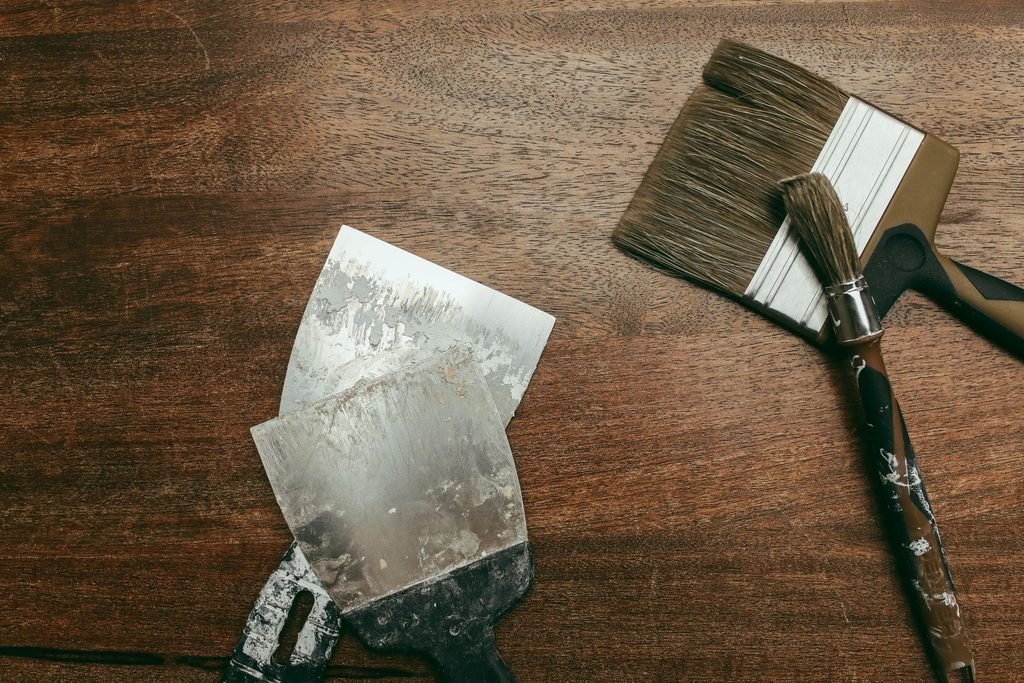
Plastic wallpaper scraper or smooth-edged putty knife
Spray bottle, sponge, bucket, and warm water
Wallpaper-removal solution suitable for the wallcovering
Scoring tool, only if appropriate for the wallpaper and wall
Wallpaper steamer for stubborn sections, if needed
Drop cloths, painter’s tape, towels, and rubbish bags
Gloves and eye protection; ventilation for chemical removers
Mild cleaner, clean water, wall filler, sandpaper, and compatible primer
You may not need every item. Begin with the least aggressive method that works, and follow labels and manufacturer instructions for any remover, tool, or primer.
3. Prepare the Room and Make the Work Area Safe
How to remove wallpaper Move furniture away from the walls or cover it securely. Protect floors and baseboards with drop cloths, because wet wallpaper and paste can become slippery and messy. Remove pictures and hardware. Before working around outlets or switches, turn off power to the relevant circuit and keep liquids away from electrical fittings. If you cannot make the area safe, contact a qualified electrician. Never use water or steam around live electrical equipment.
Open a window when using a chemical remover and follow its label for dilution, ventilation, contact time, and protective equipment. Keep a rubbish bag close by. Work on a stable ladder when needed, and do not overreach while holding a scraper or steamer.
4. Try Dry Peeling Before Using Water
Slide a plastic scraper under a loose corner or seam, then pull the wallpaper back slowly at a low angle. How to remove wallpaper Keep the sheet close to the wall rather than pulling straight outward. If it comes away in wide pieces, continue a little at a time.
If the decorative layer comes off but a paper backing remains, stop pulling the top layer and treat the backing separately. If the wallpaper tears into tiny pieces or the wall surface starts lifting, stop and reassess. More force is rarely the answer; it can turn a manageable removal into a wall-repair job.
5. Remove Wallpaper with Warm Water or Wallpaper Remover
For many traditional paper wallpapers and backing layers, warm water or a suitable wallpaper-removal solution can soften the adhesive. How to remove wallpaper Follow the product label; some removers need dilution while others are ready to use. Apply the liquid with a sponge or spray bottle to a small section, working from top to bottom. Wet the paper evenly without flooding the wall.
Let the solution work for the time specified on the label. Lift an edge and slide the scraper underneath, keeping the tool nearly flat. If the paper remains stuck, apply a little more solution and wait rather than scraping harder. How to remove wallpaper Small sections are easier to control and reduce the chance of the wall becoming saturated.
How to remove wallpaper On drywall or sheetrock, use minimal moisture because the outer paper facing can soften, bubble, or tear. Stop if the surface feels soft or starts to delaminate. Plaster and previously painted walls can also vary in condition, so test before applying liquid across a large area.
6. How to Remove Wallpaper Without a Steamer
A steamer is not essential for every job. Start with dry peeling, then use warm water or a wall-compatible wallpaper remover if the paper does not release. For a removable top layer, peel that layer first so the backing can be treated directly. Allow the remover to work as directed, then lift the softened paper with a plastic scraper.
Avoid soaking the wall in an attempt to save time. How to remove wallpaper Repeated, controlled applications are safer than flooding a large area. If the adhesive remains stubborn after several careful attempts, reassess the wallpaper type and product instructions before changing methods.
7. How to Use a Wallpaper Steamer
A wallpaper steamer can help with thick, layered, or stubborn wallpaper, but it produces very hot steam. How to remove wallpaper Read the manual, wear suitable protection, keep the steam plate directed away from your body, and never use the appliance near live electrical fittings or wet electrical areas. Follow the manufacturer’s guidance for how long to hold the plate in one place.
How to remove wallpaper Work in small sections. After steaming a patch, lift the softened paper with a scraper. Do not hold steam on one spot for too long: excessive heat and moisture can damage plaster, paint, or drywall. How to remove wallpaper Steam is not automatically the best method; choose it only when the wall and wallpaper can tolerate it.
8. Which Wallpaper Removal Method Is Best?
| Method | Best starting point | Main advantage | Main caution |
| Dry peeling | Peel-and-stick or strippable wallpaper | Fast and low-mess when it releases cleanly | Can lift weak paint if pulled too hard |
| Warm water | Traditional paper or exposed backing | Low-cost and simple | Too much moisture can damage drywall |
| Wallpaper remover | Stubborn adhesive or backing | Designed to help loosen paste | Follow label, ventilation, and contact-time instructions |
| Steamer | Stubborn or layered paper that tolerates heat/moisture | Can soften difficult areas | Burn, moisture, and surface-damage risks |
There is no single best method for every wall. Test dry removal first, then choose the least aggressive method that loosens the adhesive. How to remove wallpaper The result of your test patch matters more than a universal rule or another person’s preferred tool.
9. How to Remove Wallpaper from Drywall Without Damaging It

Drywall needs extra care because its paper facing can tear when wet or scraped aggressively. How to remove wallpaper Test a small area, avoid deep scoring, use minimal moisture, and choose a plastic scraper with a smooth edge. If the wallpaper releases only when heavily soaked, pause and consider a product or professional method appropriate for drywall rather than saturating the wall.
If the drywall facing tears, do not keep scraping the damaged patch. Let the area dry and repair it using a suitable drywall-repair system. How to remove wallpaper Torn paper may need to be sealed with a compatible sealer before patching; follow the repair product’s instructions. Plaster walls are different, but old or cracked plaster can also be damaged by aggressive scraping and excessive steam.
10. Remove Wallpaper Glue and Paste Residue
Once the paper is gone, inspect the wall in good light and run a clean hand over it. How to remove wallpaper Sticky, shiny, or slippery patches may indicate leftover adhesive. Glue residue matters because paint or primer applied over it can reactivate the paste and cause poor adhesion, uneven texture, or bubbling.
Use a wallpaper remover or mild cleaning method that is suitable for the wall, then gently loosen residue with a non-abrasive sponge or plastic scraper. Wipe with clean water if the product instructions call for rinsing, and avoid saturating drywall. how to remove wallpaper Vinegar is sometimes suggested for residue, but it is not a universal solution; it may be ineffective for some adhesives and may not suit every wall finish. Test any cleaning solution in an inconspicuous area and never mix cleaning chemicals.
How to remove wallpaper Repeat the clean-and-check process until the surface no longer feels tacky. Do not assume the wall is ready just because the visible paper is gone. Let it dry fully before repairing or priming.
11. Clean, Repair, and Prepare the Wall for Painting
How to remove wallpaper, After removing wallpaper glue, allow the wall to dry completely. Check for torn paper, gouges, loose paint, and raised seams. Fill small dents with a suitable wall filler or joint compound, let it cure as directed, and sand only as needed while avoiding unnecessary dust. Remove sanding dust before priming.
Choose a primer compatible with the wall surface and any repair products. If adhesive remains despite careful cleaning, do not automatically cover it with an ordinary primer; check the primer and adhesive manufacturers’ instructions for the appropriate approach. How to remove wallpaper On torn drywall paper, use a compatible sealer before applying compound where required. Once repairs are smooth, dry, and dust-free, prime the wall and then paint or apply new wallpaper according to the product directions.
12. Troubleshooting Common Wallpaper Problems
| Problem | What to do |
| Wallpaper tears into tiny pieces | Stop pulling. Test a small area and apply the appropriate remover to soften the adhesive. Work in smaller sections. |
| Backing paper remains | Remove the decorative layer first, then dampen and lift the backing carefully. Avoid flooding drywall. |
| Paint lifts with the wallpaper | Slow down and reduce pulling force. Test another area and use a gentler method; weak paint may need repair after removal. |
| Drywall paper starts tearing | Stop scraping and reduce moisture. Let the area dry and repair the damaged facing with compatible products. |
| Glue still feels sticky | Clean again with a wall-compatible method, rinse if instructed, and repeat the tackiness check after drying. |
| Wall bubbles after priming or painting | Leftover paste, moisture, or an incompatible coating may be involved. Stop applying more coats, let the area dry, and check product guidance before repairing. |
13. How Long Does Wallpaper Removal Take?
Time depends on room size, number of wallpaper layers, adhesive strength, whether the wallpaper has been painted over, and the condition of the wall. How to remove wallpaper A small area of strippable wallpaper may take less than an hour, while a full room with stubborn layers can take much of a day or longer, especially when cleanup and wall repairs are included. Treat any estimate as a planning guide rather than a guarantee. Allow extra time for drying before priming or painting.
14. Common Mistakes to Avoid
Skipping the dry-peel test and choosing a method before identifying the wallpaper.
Pulling hard on paper that is firmly bonded.
Saturating drywall or allowing water to collect near outlets.
Scoring deeply enough to scratch the wall underneath.
Holding a steamer in one spot too long or ignoring burn precautions.
Assuming vinegar or one remover works for every adhesive.
Painting over tacky glue or damp wall surfaces.
Skipping repairs, dust removal, or compatible primer.
Frequently Asked Questions
Can I remove wallpaper with just water?
Sometimes. Warm water can loosen many traditional paper wallpapers and backing layers, but peelable paper may come off dry and some adhesives need a suitable remover. Use minimal moisture on drywall.
Should I score every wallpaper before removing it?
No. Test dry peeling first. Scoring may help liquid reach a resistant surface, but aggressive scoring can damage the wall. Follow tool instructions and use it only when appropriate.
Is steam safe for drywall?
Steam can damage drywall if it adds too much heat or moisture. Use caution, follow the steamer instructions, and stop if the wall softens or the facing begins to lift.
How do I remove old wallpaper?
Identify the type, test dry removal, then choose controlled moisture, wallpaper remover, or steam if suitable. Multiple layers and painted-over wallpaper usually require more patience.
Can I paint immediately after removing wallpaper?
Usually not. Remove adhesive, clean and repair the wall, allow it to dry fully, and apply a compatible primer before painting.
What if wallpaper has been painted over?
Paint can block moisture from reaching the adhesive. Test carefully, separate layers where possible, and avoid aggressive scoring or soaking. For old or suspect coatings, get appropriate professional advice before disturbing them.
Conclusion
The safest way to remove wallpaper is to match the method to the wallpaper type and the wall beneath it. How to remove wallpaper Start with a small dry-peel test, protect the room, and move to warm water, a suitable remover, or steam only when needed. Use extra care with drywall, painted-over wallpaper, and stubborn backing; too much moisture or force can create more work than the wallpaper itself.
After the paper comes off, check for glue residue, clean the surface, let it dry, repair any damage, and use a compatible primer before painting or hanging new wallpaper. How to remove wallpaper These steps bring together the most useful competitor themes—clear removal steps, method comparisons, adhesive cleanup, and wall preparation—while adding a more direct decision guide, substrate-specific cautions, and practical troubleshooting.