
A cluttered pantry can turn a simple meal into a chore. Cereal boxes get pushed behind canned goods, half-used bags vanish on deep pantry shelves, and grocery shopping becomes guesswork. How to Organize a Pantry You may even buy ingredients you already own because you cannot see them.
The good news is that you do not need a huge kitchen pantry, expensive containers, or a picture-perfect setup. You need a clear plan that fits your space, your food habits, and your budget. Knowing how to organize a pantry starts with removing what you do not need, grouping similar foods, and keeping everyday items easy to reach for how to Organize a Pantry.
Whether you search for “how to organize pantry”, “how to organise pantry”, or “pantry how to organize”, the answer is the same: a simple system you can actually maintain. This guide explains how to organize a pantry in 10 easy steps, with ideas for a small pantry, a walk in pantry, a pantry cabinet, deep pantry shelves, and even a kitchen without a pantry.
Why Pantry Organization Matters
Pantry organization means arranging food and kitchen supplies in clear categories so you can find, use, and replace items easily. A good system combines suitable storage, helpful labels, and a routine for checking what you already have.
How to Organize a Pantry When you understand how to organize a pantry properly, you save time, reduce food waste, and spend less on duplicate groceries. You can see which products need using soon and which are running low. You are also less likely to forget food hidden behind newer purchases.
The U.S. Department of Agriculture recommends using older food first to help prevent it from going bad. An organized pantry makes that habit much easier.
Here is the thing: your pantry does not have to look uniform to work well. Matching jars and printed labels are optional. Clear categories, easy access, and sensible food rotation matter far more than appearance.
How do you organize a pantry?
Empty the pantry, check food condition and dates, clean the shelves, and group similar products. How to Organize a Pantry Measure your space before buying organizers. Then assign practical zones, label containers where useful, and place older products in front so they are used first. Finish with a simple routine for restocking. That is how to organize a pantry in a way that lasts.
How to Organize a Pantry in 10 Easy Steps
How to Organize a Pantry Follow these steps in order. If your space is large, work one section at a time so the job feels manageable. This is the most practical way of how to organize a pantry without feeling overwhelmed.
1. Empty the Pantry and Assess Your Space
Start by taking everything off the shelves. For a large walk in pantry, empty one section at a time instead of covering the whole kitchen with food.
Place products on a clean counter or table and group them loosely as you go: canned goods, baking supplies, snacks, breakfast foods, and cooking essentials. How to Organize a Pantry Then look closely at the space itself. Notice shelf height, depth, corners, door racks, and areas that are hard to reach. Think about who uses the pantry and which items your household grabs most often.
Practical tip: Take a quick photo of the empty shelves. It helps you compare layouts before putting everything back, and it is useful when you shop for organizers.
2. Check Dates and Remove Unwanted Items
Inspect packages for expiration or use-by information, damage, leaks, moisture, pests, and unusual smells. Discard anything that looks contaminated or unsafe. Date labels do not all mean the same thing, so follow the product’s own guidance. If a label says to refrigerate after opening, do not return that item to a room-temperature shelf.
Set aside unopened food you will not use if it is safe and suitable for donation. How to Organize a Pantry This step also reveals duplicates. If you have three open bags of the same ingredient, decide whether they can be combined safely or should stay in their original packaging.
3. Clean the Shelves and Storage Areas
With the shelves empty, remove crumbs, dust, and spills. Use a cleaning method suitable for the shelf material, then let every surface dry fully. Wash reusable containers and bins, and dry them completely before adding food, because moisture can spoil dry ingredients.
Check corners, the floor, and the back of the cabinet for signs of insects or rodents. How to Organize a Pantry If you find a pest problem, deal with the cause instead of hiding it under a new bin.
4. Group Food by Category
Grouping is the heart of how to organize a pantry. It gives every item a logical home. Learning how to organize pantry by category is also the fastest way to see what you own. Start with categories that match your real cooking and shopping habits:
- Breakfast: cereal, oats, pancake mix, and breakfast bars.
- Baking: flour, sugar, baking powder, chocolate chips, and sprinkles.
- Canned and jarred foods: beans, vegetables, sauces, and soups.
- Grains and pasta: rice, noodles, quinoa, and other dry grains.
- Snacks: crackers, nuts, popcorn, and granola bars.
- Cooking essentials: oils, vinegar, broth, tea, and spices.
Keep categories flexible. If your family eats snacks daily but rarely bakes, give snacks the easy-to-reach shelf and keep baking supplies higher up. Many people ask how to organize a pantry by category without buying dozens of bins. You do not need a separate bin for each group; a clear shelf section is often enough.
5. Measure Shelves Before Buying Organizers
Before you buy bins, shelf risers, or turntables, measure the pantry. This small step stops products from blocking doors or wasting vertical space. Record three numbers:
- Width: the distance across the shelf.
- Depth: the distance from the front edge to the back.
- Height: the space between shelves.
Measuring matters most for deep pantry shelves and for a pantry cabinet with fixed shelves. A common question is how deep should pantry shelves be. Many homeowners find that shelves around 12 to 16 inches deep are easy to use, while much deeper shelves tend to hide food at the back. If your shelves are deeper than that, use pull-out bins to bring items forward.
Always check a product’s listed dimensions against your measurements. A container that looks compact in a photo may not fit.
6. Choose Containers, Bins, and Baskets
Choose organizers based on what you store and how you use it. How to Organize a Pantry and Clear bins group small packets, airtight containers suit certain dry goods, and baskets hold awkward items like bags and boxes.
Airtight containers help protect dry ingredients when they are clean, dry, food-safe, and sealed properly. Label them with the product name and any useful date. Brands such as OXO, Rubbermaid, and iDesign offer storage products, but they are options to compare, not requirements.
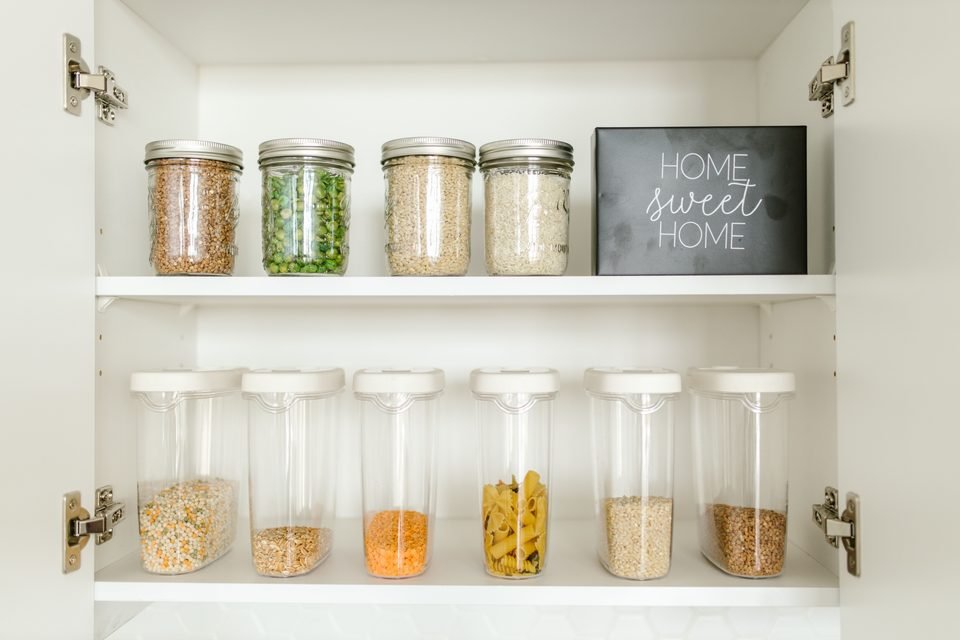
Do you need matching pantry containers? No. Original packaging is often practical because it keeps ingredient details, storage instructions, and dates. A mix of original packages, a few reusable containers, and simple baskets works well for most households.
| Option | Best for | Key benefit | Limitation |
| Clear bins | Packets and small packages | Easy to see and group | Needs occasional cleaning |
| Airtight containers | Suitable dry goods | Helps protect contents | Needs labeling and refilling |
| Shelf risers | Cans and jars | Uses vertical space | Must fit shelf depth and height |
| Turntables | Bottles and small jars | Easy to reach | Uses circular shelf space |
| Original packaging | Most packaged products | Keeps product information | May look less uniform |
Choose only what solves a real problem. A bin is useful if it keeps packets from spreading across a shelf. It is not useful if it is too deep to reach into.
7. Create Practical Pantry Zones
A pantry zone is a set area for a category or task. Zones help everyone in the house return items to the same place. Keep breakfast foods together, group baking ingredients in one area, and store cooking supplies where they are easy to grab.
You can also create a use-first zone for products that should be eaten soon. For children, a low shelf or bin can hold suitable snacks, while heavy or fragile items stay out of reach.
Your zones should reflect your routine. How to Organize a Pantry A family that cooks most meals at home needs more space for grains, oils, and spices. How to Organize a Pantry Another household may need more room for lunchbox snacks. This is why a copied photo layout rarely works, and why a personal plan is the best answer to how to organize a pantry.
8. Arrange Items by Frequency of Use
Put frequently used products at eye level and within easy reach. Store occasional-use items higher or lower, as long as they are safe to retrieve.
- Eye-level shelves: everyday ingredients and commonly used foods.
- Lower shelves: heavy items, bulk packages, and snack bins.
- Upper shelves: lightweight products used less often.
- Deep corners: backup supplies that stay visible.
Avoid stacking items so high that they become unstable. How to Organize a Pantry Keep labels facing out, and do not hide small packages behind big ones.
How to organize cans in pantry spaces: Canned goods are heavy, so keep them on a lower or sturdy shelf. Use a tiered riser or a can organizer so labels stay visible, and place the oldest cans at the front. If you want to know how to organize pantry canned goods in a pantry with limited space, stack only two layers high and group soups, vegetables, beans, and sauces together. These same ideas help if you need to organize cans in a cabinet or a deep pantry.
9. Label Containers and Track Food Dates
Labels are most useful when the contents are not obvious. Mark transferred ingredients with their name and, where helpful, the date opened. How to Organize a Pantry Removable labels, masking tape, or a washable marker work perfectly well. You do not need a label printer.
Do not rely on a label alone for food safety. Follow the package’s storage instructions. For a simple inventory, keep a short list of items that are low or that you want to use soon. A notes app, a paper list, or a spreadsheet will do. Choose the method you will actually keep up.
10. Restock Using a First-In, First-Out System
First-in, first-out means using older products before newer ones. When you bring groceries home, move existing items forward and place new purchases behind them. This one habit is how to keep pantry organized for the long term.
Use this method alongside product dates and package instructions. It does not mean every older product is safe to eat. Before shopping, check what you already have. After shopping, put each item in its assigned zone instead of leaving bags on the counter.
Pantry Organization Ideas for Every Space
The best pantry organization ideas depend on shelf depth, available storage, household size, and the foods you keep. A small cupboard needs a different setup from a walk in pantry, so adapt the system instead of copying someone else’s.
How to Organize a Small Pantry
If you are wondering how to organize pantry in a small place, focus on visibility and access rather than adding more storage products.
- Use vertical space with a correctly sized riser.
- Group small packets in one shallow bin.
- Keep duplicates together so you can see your real supply.
- Keep frequently used foods at the front.
- Use door storage only if the door still closes and shelves are not blocked.
- Move rarely used kitchen appliances elsewhere so food gets priority.
This approach also works for a small pantry closet, a tiny pantry, or a small pantry cabinet. Leave a little open space so it is easy to remove items and put groceries away.
How to Organize Deep Pantry Shelves
Deep pantry shelves waste space because items disappear at the back. The fix is to bring things forward. Use pull-out bins or lazy susans for jars and bottles, and place shallow trays at the front for packets. How to Organize a Pantry Store backup stock in the back rows, but keep it visible. If you are learning how to organize a deep pantry or a narrow deep pantry, remember that two or three well-sized bins usually work better than many small containers. The same idea applies when you organize a small pantry with deep shelves.
How to Organize a Walk In Pantry
A walk in pantry offers more room, but a bigger space can still become cluttered. Keep everyday ingredients near the entrance, place backup stock together, and use the same categories on every shelf. If several people cook or shop, make the layout simple enough for everyone to follow.
Store heavy items on sturdy lower shelves, and make sure tall containers do not block smaller products. Do not buy extra food just because you have room. Check your stock first. Knowing how to organize a walk in pantry is mostly about consistent zones.
How to Organize a Pantry with Wire Shelves
Wire shelves are common and affordable, but small items can tip or fall through. Lay a thin shelf liner or a flat tray on top for packets and jars. How to Organize a Pantry Use baskets for loose items, and keep heavier products on the bottom. Many people want to know how to organize a pantry with wire shelves without spending much, and liners plus a few baskets are usually enough.
How to Organize a Pull Out Pantry
A pull out pantry makes items at the back easy to reach, but it can also encourage overfilling. Keep items in single rows, put heavier foods on the lower slides, and group by category. If you are working out how to organize a pull out pantry or how to organize pantry drawers, label each drawer by category so everyone returns items to the right place.
How to Organize a Pantry Without Containers
You can organize a pantry without containers. Start with what you already own and buy new items only for a specific problem.
- Reuse clean, food-safe containers suited to the ingredients.
- Use a small tray or sturdy basket to group packets.
- Keep products in their original packaging when it is intact.
- Use paper labels or masking tape.
- Separate categories with shelf space instead of a bin for each.
Never reuse a container that once held a non-food chemical.
How to Organize a Pantry on a Budget
If you are learning how to organize a pantry on a budget, prioritize function over looks. Before buying anything, ask yourself:
- What problem am I trying to solve?
- Can I fix it by changing the layout?
- Do I already own something suitable?
- Will this fit my measured shelf space?
- Will it be easy to clean and use?
A new container may be worthwhile for something you use often, but not for a product you rarely touch. Shoe boxes, jars, trays, and baskets from around the house can all do the job.
How to Organize a Kitchen Without a Pantry
No pantry, no problem. If you need to know how to store food without a pantry, use a cabinet, a bookshelf, a rolling cart, or a dedicated kitchen cupboard. Group items just as you would in a full pantry, keep heavy products low, and use the cabinet door for lightweight items like spice jars. If you want to organize a kitchen without a pantry, choose one cupboard for dry goods, one for snacks and breakfast, and one for cooking supplies. The same zones and first-in, first-out habits apply.
How to Put Shelves in a Pantry
If your pantry has too few shelves, you can add more. How to Organize a Pantry Many people ask how to put shelves in a pantry or how to make pantry shelves. Measure the width and depth, decide on spacing based on the tallest items you store, and choose sturdy material such as plywood or ready-made wire shelving. Space shelves so you can reach the back without moving everything. For complex builds, ask a professional or follow a trusted installation guide.
How to Organize Specific Pantry Items
Spices and Seasonings
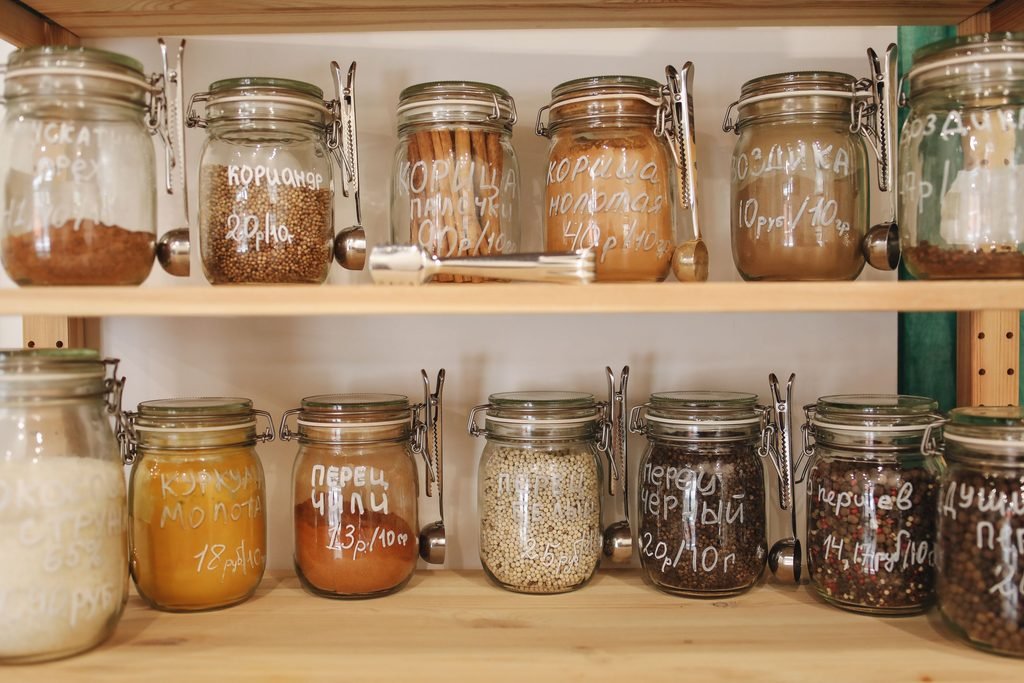
To organize spices in a pantry, keep them in one place away from heat and moisture. A tiered rack, a turntable, or a drawer insert makes labels visible. Alphabetical order works, but grouping by cuisine or by use is often easier.
Snacks and Drinks
Use a clear bin or basket to organize snacks in a pantry. Place everyday snacks low enough for children. How to Organize a Pantry For bottled water and drinks, use the lower shelves so heavy cases are easy to lift.
Baking Supplies, Flour, and Sugar
Store flour and sugar in airtight containers if you bake often, and label them clearly. Keep baking powder, chocolate chips, and sprinkles in a single bin so you can carry everything to the counter at once.
Pasta, Rice, and Grains
Pasta and grains store well in clear containers because you can see how much is left. Keep cooking instructions with the item if you transfer it.
How to Keep Your Pantry Organized
An organized pantry needs a little regular attention. The aim is to prevent clutter from returning, not to rearrange every shelf each week. This is the last and most important part of how to organize a pantry.
Create a Simple Weekly Reset
Choose a time to check the pantry, such as before you write your shopping list. A short reset can include:
- Returning misplaced items to their zones.
- Wiping crumbs or spills.
- Checking for empty or nearly empty packages.
- Moving older products forward.
- Adding low supplies to the grocery list.
Keep a Simple Pantry Inventory
Track only what you need: the item, the quantity, and whether to buy more.
| Item | Current supply | Action |
| Rice | One unopened bag, one open container | Use open supply first |
| Canned beans | Several cans | Check before buying more |
| Flour | Low | Add to shopping list |
Avoid Common Pantry Organization Mistakes
- Buying organizers before measuring: products may waste space or not fit.
- Transferring everything into jars: this adds work and removes useful package information.
- Creating too many categories: complicated systems are hard to keep up.
- Hiding backup products: you may buy duplicates.
- Ignoring storage instructions: some foods need refrigeration after opening.
- Overfilling shelves: crowded shelves are hard to see and reach.
- Organizing only for looks: a system should support how you cook and shop.
Pantry Organization Checklist
Use this checklist the next time you reset your shelves:
- Empty the pantry or work one section at a time.
- Check dates and storage instructions.
- Remove unsafe, damaged, or unwanted items.
- Clean shelves and let them dry.
- Group similar foods into categories.
- Measure shelf width, depth, and height.
- Buy organizers only for real problems.
- Assign zones based on your habits.
- Put everyday items at easy-to-reach levels.
- Label transferred ingredients.
- Move older products forward when restocking.
- Set a regular time for a quick reset.
Frequently Asked Questions
What is the best way to organize a pantry?
Empty and clean the shelves, check your food, group similar items, and assign each category a place. Measure before buying organizers, keep everyday ingredients accessible, and move older products forward when restocking. That is the simplest answer to how to organize a pantry.
How do I organize a small pantry?
Use vertical space carefully, group small packages in shallow bins, and keep frequently used ingredients near the front. Avoid oversized organizers.
How should I organize my pantry shelves?
Put everyday foods at eye level, heavy items low, and light items high. Use zones for breakfast, baking, snacks, and cooking supplies.
Should I buy pantry storage containers?
Only if they solve a specific problem. Original packaging is often practical, and airtight containers help certain dry goods. Check fit and food safety first.
How do I keep my pantry organized after shopping?
Check your supplies before you shop, return groceries to their zones, and place new products behind older ones.
Which foods should not be stored in a pantry?
Not every food is shelf-stable. Some need refrigeration before or after opening. Follow package instructions and USDA FSIS guidance when unsure.
Conclusion
Learning how to organize a pantry is less about buying matching containers and more about building a system that fits your household. Sort and clean first, group similar foods, measure before you shop for organizers, and give everyday ingredients an easy-to-reach home.
You can make real improvements with the shelves and containers you already have, whether you need to organize a small pantry, a walk in pantry, or deep pantry shelves. Use older products first, follow storage instructions, and reset the pantry regularly.
Start with one shelf today. Once it works, repeat the same approach across the rest of your pantry, and you will see for yourself how to organize a pantry in a way that stays tidy.