
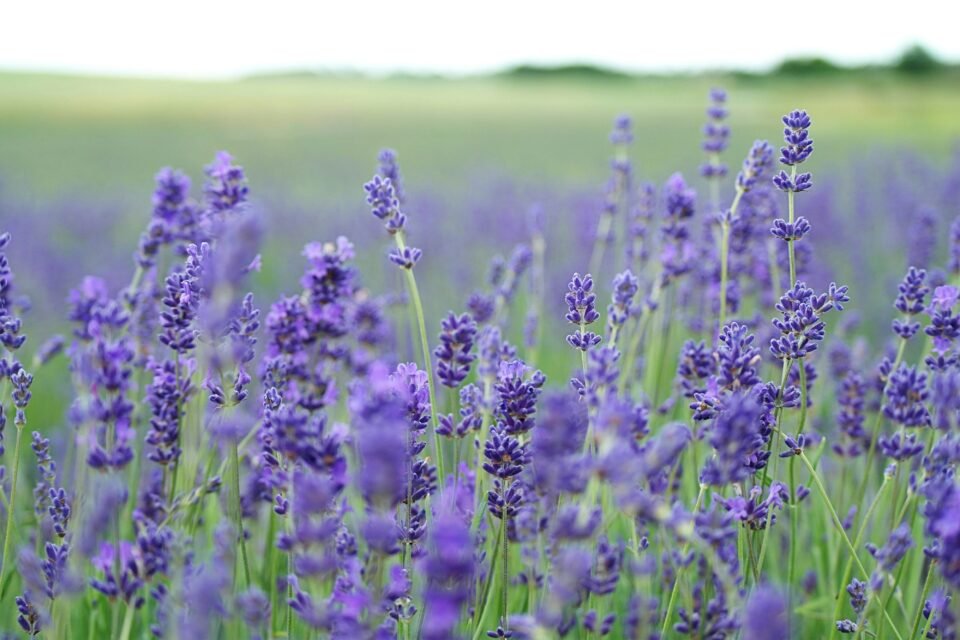
Lavender looks easy, and it is, once it is in the right place. The plants that fail usually fail in the first year, and the cause is almost always the same: wet soil, too little sun or a hole dug too deep. How to Plant Lavender The good news is that these are all things you control on planting day.
This guide shows you how to plant lavender in garden beds and in pots, with a quick checklist, clear spacing and watering advice, and a troubleshooting table at the end. It is written mainly for UK and other temperate-climate gardeners. Because timing depends on where you live, it also explains how to adjust for warmer regions.
Step 1: Choose the Right Variety
The plant you pick decides how tall it grows, when it flowers and whether it survives your winter. The three groups you will see most often are:
English lavender (Lavandula angustifolia). The hardiest type, with a sweet scent. How to Plant Lavender It suits hedges, borders and cooking. Compact cultivars such as ‘Munstead’ and ‘Hidcote’ stay around 30 to 60 cm tall.
Lavandin or Dutch lavender (Lavandula × intermedia). A larger, vigorous hybrid with long stems. It usually flowers later in summer and can reach about a metre in height and spread.
Spanish or French lavender (Lavandula stoechas). Easily recognised by the petal-like “ears” on top of each flower head. It is less cold-hardy than English lavender, How to Plant Lavender so it suits milder areas, sheltered spots and pots that can be moved. How to Plant Lavender Anyone wondering how to grow Spanish lavender should focus on shelter and sharp drainage, because cold, wet winters are the main threat.
A note on pollinators
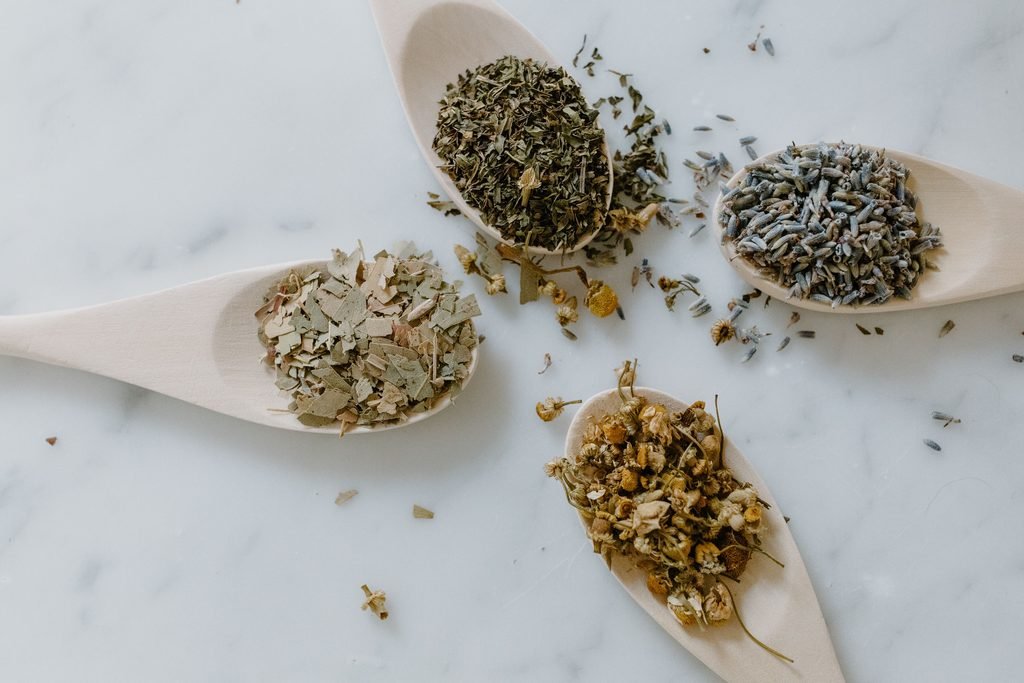
If wildlife matters to you, lavender is a strong choice. The RHS reports on a University of Sussex trial that planted 13 lavender cultivars from three species at three sites and counted visiting insects. According to the RHS, Dutch lavender (L. × intermedia) cultivars were about four times more popular with pollinators than English lavender cultivars. That figure relates to insect visits, not to how easily each type establishes, so choose primarily for your climate and space, and use pollinator appeal as a tiebreaker.
How big do lavender plants get?
Check the plant label for final height and spread, then leave room for it. Most lavender takes 2 to 5 years to reach full size. How to Plant Lavender Dwarf English types reach 30 to 60 cm, standard English types 60 to 90 cm, and large lavandins around 1 m or more. Crowded plants hold moisture around their stems and are more likely to rot.
Step 2: Choose the Right Spot (How Much Sun Does Lavender Need?)
Lavender is a sun lover. Aim for 6 to 8 hours or more of direct sun each day. How to Plant Lavender A south-facing or west-facing position with good air movement is ideal. In shade, plants grow leggy, flower sparsely and lose scent.
The 10-minute drainage test
- Dig a hole about 30 cm deep where you plan to plant.
- Fill it with water and let it drain.
- Fill it again and time how long it takes to empty.
If the water is gone within a few minutes to an hour, the drainage is good. If it is still standing after several hours, the site is too wet for lavender in the ground. Build a raised mound or bed, or grow it in a container.
Step 3: Prepare the Best Soil for Lavender
How to plant Lavender originates from dry, rocky Mediterranean hillsides, so it likes lean, free-draining ground.
- Drainage is the priority. Lavender tolerates drought far better than waterlogging.
- pH: Neutral to alkaline, roughly 6.5 to 8.0. Spanish types tolerate slightly acidic soil better.
- Fertility: Low to moderate. Rich soil makes soft, floppy growth and fewer flowers.
For heavy clay or damp soil:
- Fork in coarse horticultural grit (a product such as Westland Horticultural Grit is one example) at roughly one-third by volume across a wide area, not just in the planting hole.
- Create a mound or raised bed 20 to 30 cm high.
- Skip manure and rich compost, which hold water and add unwanted nutrients.
For acidic soil: How to Plant Lavender A small dressing of garden lime before planting can help English lavender.
Step 4: Know When to Plant Lavender
The best time depends on your climate:
| Climate | Best planting time | Why | Avoid |
| UK and cool temperate | Spring (April to May) | Warming soil helps roots establish before winter | Winter, when cold, wet soil rots young roots |
| Mild temperate or Mediterranean | Early autumn or spring | Mild temperatures and some natural rainfall | Midsummer heat waves |
| Hot or subtropical regions | Autumn to late winter | Milder weather helps roots settle | Peak summer and heavy monsoon rain |
In the UK, spring planting is usually best because garden centres stock fresh plants then and the soil is warming. How to Plant Lavender Autumn planting can work in mild, well-drained gardens, but young plants are more at risk in a cold, wet winter.
Step 5: How to Plant Lavender in the Ground (Garden Beds)
Follow these steps for beds and borders:
- Prepare the area. Clear weeds, loosen the soil and add grit if the soil is heavy.
- Water the plant first. Soak the nursery pot and let it drain.
- Dig the hole. Make it about twice as wide as the root ball and the same depth.
- Loosen the roots. Tease out any roots circling the pot, but do not break up the root ball.
- Set the depth. The top of the root ball should sit level with, or slightly above, the soil surface. Planting too deeply is a classic cause of rot.
- Backfill with your own soil. Mix in a little grit and firm gently with your hands.
- Water thoroughly. Soak the plant so the soil settles around the roots.
- Mulch with gravel. A thin layer of stone chips keeps the crown dry. Avoid bark or compost mulch against the stems.
All you need is a hand trowel, a spade and a bag of grit.
Photo idea: a step-by-step image showing root-ball height against the soil surface.
Step 6: How Far Apart to Plant Lavender
How to Plant Lavender Good spacing allows air to dry the foliage after rain. Use these distances:
| Planting style | Spacing |
| Single plants or groups | 60 to 90 cm |
| Low hedge, compact varieties | About 30 cm |
| Hedge, larger varieties | About 45 cm |
| Large lavandins | 90 cm to 1 m |
Closer planting gives you a hedge faster. Wider planting keeps plants healthier for longer.
Step 7: How to Plant Lavender in Pots
How to Plant Lavender Pots are ideal if your soil is heavy, you have a patio or balcony, or you want to grow tender types and move them under cover in winter.
What you need How to Plant Lavender:
- A container 30 to 40 cm wide, with large drainage holes
- Terracotta if possible, because it dries faster than plastic
- A gritty mix of about two parts multipurpose compost or loam to one part horticultural grit or perlite
How to Plant Lavender Steps:
- Raise the pot on feet so water drains freely.
- Add a layer of broken pot pieces or coarse gravel to cover the holes.
- Half fill with gritty mix.
- Place the lavender at the same depth it was growing in its nursery pot.
- Fill around it, leaving about 2 cm below the rim for watering.
- Water well, then let the pot drain completely.
- Put the pot in your sunniest spot.
Never let the pot sit in a saucer of water. Refresh the top layer of compost each spring and repot every two to three years.
Step 8: How Often to Water Lavender After Planting
Watering is where most beginners go wrong. Lavender wants moisture while it establishes and then very little.
How to Plant Lavender In the ground:
- Water thoroughly at planting.
- During the first season, water about once a week in dry weather, soaking the roots rather than sprinkling the surface.
- Skip watering if it has rained properly.
- Once established, usually after the first year, water only in prolonged drought.
How to Plant Lavender In pots:
- Check the top few centimetres of compost. Water when it feels dry.
- In summer heat, that may mean once or twice a week.
- In cool or wet weather, water much less.
Rules that always apply:
- Water the soil, not the leaves.
- Check the soil before watering instead of following a fixed schedule.
- If leaves yellow and the soil is damp, you are probably overwatering.
Step 9: Aftercare in the First Year
- Weed gently. Young plants dislike competition.
- Skip fertiliser. Lavender does not need feeding in its first year. Later, a light potash feed in spring is enough.
- Prune lightly. After the first flowering, trim off spent flower stems and a little green growth. Never cut into old bare wood.
- Protect from winter wet. Move pots to a sheltered spot, and keep rain off young plants if you can.
Table
| Problem | Likely cause | Fix |
| Yellowing leaves, soft stems | Overwatering or poor drainage | Reduce watering, improve drainage, move to a raised bed or pot |
| Plant collapses after planting | Planted too deeply or in wet soil | Replant higher on a mound with extra grit |
| Leggy, floppy growth | Too little sun, rich soil or no pruning | Move to full sun and prune after flowering |
| Few flowers | Shade, too much nitrogen or hard pruning | Give more sun, stop feeding, trim only the green growth |
| Grey mould or leaf spots | Humid, crowded conditions | Increase spacing, avoid overhead watering |
| Woody, bare centre | Age or years without pruning | Take cuttings and replace the plant |
| Browning after winter | Cold, wet soil | Cut back dead stems in spring once new growth shows |
Common Mistakes to Avoid
- Planting in shade or in heavy, wet soil
- Burying the stem too deeply
- Adding compost or manure to the planting hole
- Watering on a fixed schedule regardless of weather
- Choosing a tender variety for a cold, wet garden
- Planting in winter in cold regions
- Leaving plants unpruned for years
How Long Does Lavender Take to Grow and Bloom?
A nursery-bought plant settles in during its first season and reaches mature size in about two to five years. How to Plant Lavender Flowering time depends on the type. English lavender generally has one main flush of a few weeks in early to midsummer, lavandin flowers later, and Spanish lavender can flower from late spring and again in autumn. How to Plant Lavender Planting early, mid and late varieties together extends the season.
Want to Grow Lavender from Seed or Cuttings?
You can grow lavender from seed, but it is slow. Seed usually needs about four to six weeks of chilling, germinates over several weeks, and plants often flower in their second year. Seedlings can also differ from the parent plant. How to Plant Lavender Cuttings are faster and produce identical copies. How to Plant Lavender Take non-flowering shoots 8 to 10 cm long in early to midsummer and root them in gritty compost. Lavender plugs are a cheap middle option. Harden them off first, then plant them using the same steps as above.
Frequently Asked Questions (FAQs)
When is the best time to plant lavender?
In the UK and other cool climates, plant in spring (April to May) so roots establish before winter. In hot regions, plant in autumn or winter. Avoid planting in cold, wet winter soil.
What is the best soil for lavender?
Lavender prefers lean, free-draining, neutral to alkaline soil. Add grit to heavy soil or use a raised bed. Avoid compost, manure and rich fertilizers, which cause soft, floppy growth.
How far apart should I plant lavender?
Space single plants 60 to 90 cm apart. For a hedge, use about 30 cm for compact varieties and 45 cm for larger ones. Good spacing allows air to dry the leaves.
How often should I water lavender after planting?
Water well at planting, then about once a week in dry weather through the first season. Established plants need water only in long droughts. In pots, water when the top few centimeters feel dry.
Can I plant lavender in pots?
Yes. Use a 30 to 40 cm container with large drainage holes and a gritty mix of two parts compost to one part grit. Put it in full sun and repot every two to three years.
Final Thoughts
Learning how to plant lavender successfully comes down to choosing the right variety, finding a sunny location, preparing well-drained soil, and giving the plant appropriate care as it establishes. How to Plant Lavender Whether you want to plant lavender in the ground, create a fragrant hedge, grow lavender in pots, or start new plants from seeds or cuttings, the same basic principles apply.
Avoid waterlogged soil, leave enough room for mature growth, and adjust watering to your plant’s age, location, and the weather. With the right growing conditions and regular light pruning, lavender can become a long-lasting feature in your garden and provide fragrant flowers that attract pollinators.