
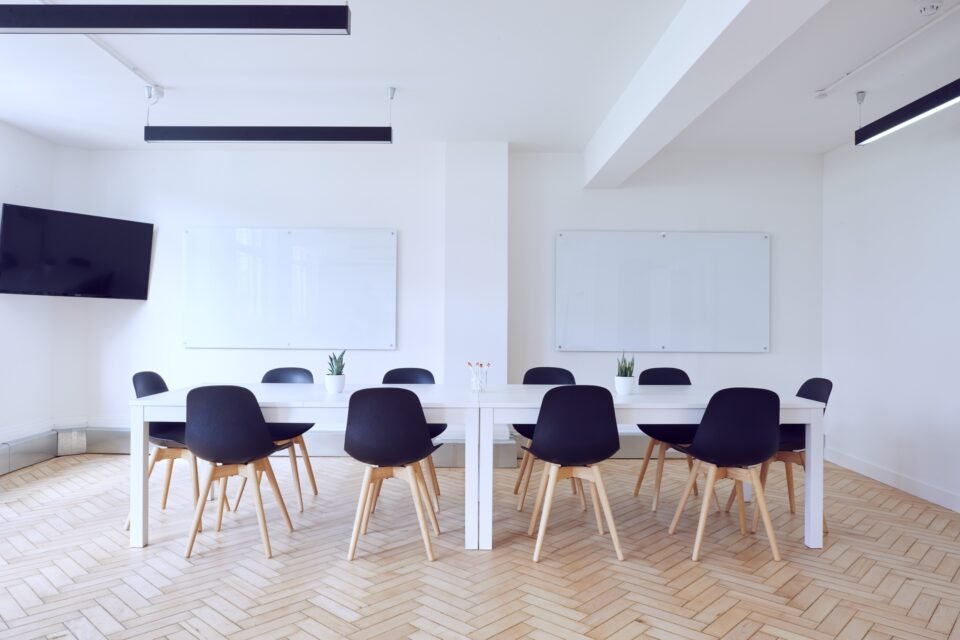
A well-decorated dining room should look beautiful, feel comfortable, and make everyday meals more enjoyable. How to Decorate a Dining Room The secret to getting it right is not buying expensive furniture or following every design trend. How to Decorate a Dining Room If you are wondering how to decorate a dining room, start by measuring your space, choosing furniture that fits, and planning comfortable seating. Then bring the room together with suitable lighting, coordinated colors, attractive textures, and a few thoughtful accessories.
How to Decorate a Dining Room Whether you are decorating a small apartment or refreshing a spacious dining area, a clear plan helps you create a room that feels inviting without overspending. This guide covers the full process, from layout and furniture to how to decorate a dining room table, dining room walls, and dining chairs.
What Is Dining Room Decorating?
How to Decorate a Dining Room means arranging furniture, choosing colors, selecting lighting, and adding decorative details to create a space that works for everyday meals and special occasions. It combines visual appeal with practical needs such as comfortable seating, easy movement, and convenient storage.
A successful dining room does not have to follow one particular style. Some rooms look best with natural wood and simple accessories, while others benefit from colorful walls, upholstered chairs, or traditional furniture. What matters most is that the pieces work together and suit the people who use the space.
The Basics of a Well-Designed Dining Room
A well-designed dining room has a clear purpose. The table gives people a comfortable place to eat, the chairs let them sit without feeling cramped, and the lighting keeps the room pleasant throughout the day.
Furniture scale matters too. How to Decorate a Dining Room A large dining table may look impressive in a showroom but overwhelm a narrow room at home. In the same way, a tiny light fixture can look lost above a big table.
Think about the room as a whole. Leave enough space to pull out chairs, keep doorways accessible, and avoid filling every empty corner with furniture. A balanced layout usually feels more welcoming than a room crowded with decorative pieces.
Balancing Style, Comfort, and Function
Your dining room should reflect your taste while supporting the way you live. How to Decorate a Dining Room A family with young children may prefer sturdy chairs and wipeable surfaces, while someone who often hosts dinner parties might want flexible seating and a larger table.
Comfort deserves equal attention. Check the height and depth of the chairs, consider how much legroom the table provides, and make sure people can move around without disturbing others. A beautiful room that feels awkward to use will quickly become frustrating. Aim for a design that looks good on ordinary weekdays, not only when the table is carefully set for guests.
How to Start Decorating Your Dining Room
Before buying anything, decide what the room needs to do. How to Decorate a Dining Room Measure the available space, note the furniture you already own, and set a budget. These steps help you avoid expensive purchases that do not fit your home.
Measure Your Dining Room Before Buying Furniture
If you are learning how decor a dining room and furnish, measuring comes first. Measure the room’s length and width, then note the position of windows, doors, radiators, and other fixed features. Mark the space taken up by existing furniture and identify the main routes people use to enter, leave, and move through the room.
Allowing around 36 inches of clearance around a dining table is a useful starting point where space permits. The right amount depends on your layout and whether people need to pass behind seated diners. Busy walkways may need more room.
How to Decorate a Dining Room Do not measure only the table. Include the space needed to pull out chairs and sit down comfortably. If possible, mark the proposed table dimensions on the floor with painter’s tape before you buy.
Decide How Many People You Need to Seat
Consider how many people use the dining room regularly and how often you have guests. A table for six may suit a family well but take up unnecessary space in a two-person household.
Round tables can work well in compact or square rooms, while rectangular tables often suit longer spaces. How to Decorate a Dining Room Extendable tables are another option when you need extra seating only occasionally but prefer a smaller footprint for everyday meals.
Check chair widths and legroom before choosing a table. Decorative chairs with wide arms may need more space than simple armless designs, even when the number of seats is the same.
Choose a Decorating Style and Color Palette
Pick a general direction before mixing furniture and accessories. If you are figuring out how to decorate a dining room, modern, traditional, minimalist, and farmhouse styles each offer different ways minimalist, and farmhouse styles each offer different ways to coordinate shapes, materials, and finishes.
You do not need to follow one style perfectly. A contemporary table can work with traditional artwork, for example, if the colors and proportions create a visual connection.
Start with two or three complementary colors. Warm white, natural wood, and muted green create a relaxed atmosphere, while navy, cream, and black accents feel more dramatic. Consider the colors in adjoining rooms, especially if your dining area opens into a kitchen or living room.
Set a Realistic Decorating Budget
Divide your budget into essentials and optional extras. A stable table, comfortable chairs, and suitable lighting generally deserve attention before decorative bowls or seasonal accessories.
How to Decorate a Dining Room You may not need to replace existing furniture. Painting a wall, changing chair cushions, rearranging the layout, or updating the centerpiece can make a noticeable difference at a lower cost.
A Simple Decorating Sequence
If you are asking how to decorate a dining room without feeling overwhelmed, follow this order:
- Measure the room and identify traffic paths.
- Choose a table that suits the space.
- Plan comfortable seating and chair clearance.
- Coordinate colors, finishes, and lighting.
- Add a suitable rug, storage, wall decor, and a simple centerpiece.
Dining Room Decorating Dos
Once the layout is planned, focus on the furniture and details that make the room cohesive. How to Decorate a Dining Room Small, thoughtful choices often have a greater impact than adding lots of accessories.
Choose the Right Dining Table Size and Shape
The dining table is usually the room’s main focal point, so its proportions should suit the space. Rectangular tables work well in longer rooms and can seat several people along each side. Round tables encourage conversation and can make compact rooms easier to move through.
Square tables may suit smaller square rooms, especially when the household needs only a few seats. A large square table, however, can make it hard to reach dishes in the center.
Consider the material, too. A solid wood dining table brings warmth and character, glass can keep a room looking open, and engineered materials may offer practical options at different price points. How to Decorate a Dining Room Choose a table for your actual needs rather than an imagined future occasion. Flexible furniture is often more useful than a permanently oversized piece.
Mix and Match Dining Chairs for Visual Interest
Dining chairs do not have to match perfectly. How to Decorate a Dining Room Combining different designs can add personality and make a room feel collected rather than overly coordinated.
For example, you could use simple wooden chairs along the sides of a table and upholstered chairs at the ends. How to Decorate a Dining Room The arrangement feels cohesive if the finishes, colors, or silhouettes share a common feature. If you prefer matching chairs, that is equally valid. How to Decorate a Dining Room Matching sets create a calm, orderly look, especially in traditional or minimalist rooms. Whichever you choose, check seat height, comfort, and proportion.
Select Comfortable and Practical Seating
Dining chairs should support comfortable meals without making the room feel crowded. How to Decorate a Dining Room Check the seat height against the tabletop, and make sure diners have enough legroom beneath the table.
Upholstered chairs add softness and color, while wood, metal, or molded seats may be easier to wipe clean. Households with children or pets may prefer durable, stain-resistant materials. Armchairs can make the ends of a rectangular table feel special, but their extra width may reduce how many people you can seat. Measure before buying. Comfort is not an optional finishing touch. How to Decorate a Dining Room It is one of the most important features of a dining room that gets regular use.
How to Decorate Dining Chairs
If your chairs already work well but look plain, you can refresh them without replacing them. Here is how to decorate dining room chairs on a modest budget:
- Add seat cushions in a color that connects with your curtains, rug, or artwork.
- Use removable seat covers or slipcovers, which are easy to wash and change with the seasons.
- Tie on a simple chair pad with a coordinating fabric to introduce texture.
- Place a throw or a folded blanket over the back of a host chair for a relaxed look.
- Update the finish by repainting or restaining wooden chairs, if the style suits the room.
Keep the changes consistent. If every chair has a different cushion, the room can feel busy, while a repeated color or pattern usually looks more intentional.
Choose Lighting That Complements Your Table
How to Decorate a Dining Room Lighting helps set the mood and creates a natural focal point above the dining table. A pendant suits a simple modern space, while a chandelier may complement a traditional or more decorative interior.
As a common starting point, the bottom of a pendant or chandelier is often placed around 30–36 inches above the tabletop. Adjust this according to ceiling height, fixture size, sightlines, and the manufacturer’s guidance. The fixture should light the table without blocking conversation.
How to Decorate a Dining Room A dimmer lets you move from bright lighting during meals or homework to a softer atmosphere for evening gatherings. If the room lacks natural light, combine the main fixture with wall lights or lamps where practical. Pay attention to scale. A tiny fixture above a large table feels underwhelming, while an oversized chandelier can dominate a compact room.
Add a Properly Sized Dining Room Rug
A rug can visually anchor the table, add texture, and set the dining area apart from nearby spaces. How to Decorate a Dining Room The key is choosing a size that fits the table and chairs together.
A useful starting point is to allow roughly 24–30 inches of rug beyond each edge of the table. This helps keep chair legs on the rug when people pull their seats out. Actual needs depend on chair size and movement.
Flatweave rugs are often practical because chairs slide across them more easily, and low-pile designs may be simpler to maintain than thick, plush rugs. Choose a material that suits your household. A rug in a busy dining area should tolerate regular cleaning and the occasional spill. If it makes chairs hard to move, consider a different size or material.
Include a Sideboard or Buffet for Storage
How to Decorate a Dining Room A sideboard or buffet gives you a convenient place to store plates, serving bowls, table linens, and entertaining supplies. It can also give the room a visual anchor when placed against an open wall.
Choose one that fits the available space. A wide cabinet may suit a large dining room, while a narrow storage unit can provide useful organization without crowding a smaller area. Keep the surface practical. A lamp, a small arrangement of greenery, or a decorative tray is often enough to make it attractive without creating another cluttered tabletop.
Use a Simple Centerpiece to Style the Table
A centerpiece adds a finishing touch without requiring a full redesign. Fresh flowers, a low bowl, a small vase of greenery, or a decorative tray can make an everyday table feel considered.
Keep the height and width appropriate for the table. Tall arrangements may block sightlines, while an oversized display can leave little room for plates and serving dishes. A table runner adds color and texture, especially on a plain wooden table. How to Decorate a Dining Room For everyday use, choose accessories that are easy to move when it is time to eat. You do not need to keep the table decorated at all times. A clear surface is often the most practical choice for busy households.
How to Decorate a Dining Room Table
Because the table is the heart of the room, it is worth thinking about how to decorate a dining room table in more detail. The goal is a look that is attractive on an ordinary day and easy to clear for meals.
Everyday Dining Table Decoration
For daily use, keep it simple. One of the easiest ways to how to decorate a dining room table is to choose a single focal item and let the rest of the surface stay clear. Good options include:
- A low bowl of fruit or decorative objects.
- A small vase with fresh or faux flowers.
- A tray holding a candle, a small plant, and salt and pepper shakers.
- A table runner running down the center, with placemats only at mealtimes.
If you are looking for how to decorate a dining table in a way that suits a busy household, choose pieces that are quick to move. A tray is especially useful, since you can lift everything off in one go.
How to Decorate a Long Dining Table
A long dining table has plenty of surface, which makes it easy to overdo the decor. To keep it balanced:
- Use a runner, or a series of small items spaced evenly down the center, to create a visual line.
- Repeat shapes, for example three small vases of the same height, instead of one tall arrangement that can block conversation.
- Keep the center low so guests can see each other.
- Leave space on both sides for place settings and serving dishes.
If you are working out how to decorate a long dining room table for a gathering, group candles or greenery in odd numbers, and vary heights slightly while keeping everything below eye level.
How to Decorate a Wood Dining Table
A wood dining table already has natural warmth, so you can let the material do much of the work. How to Decorate a Dining Room table with wood:
- Use a runner or placemats in a contrasting texture, such as linen or woven fibers, to highlight the grain.
- Choose ceramics, glass, or metal accents that complement the wood tone.
- Use coasters and protective pads under hot dishes and vases to help protect the finish.
- Avoid covering the whole table with a heavy cloth if you want the wood to stay visible.
How to Decorate a Modern Dining Table
A modern dining table looks best with restraint. Choose clean-lined accessories, such as a simple vase, a sculptural bowl, or a single candleholder. Stick to a limited color palette and avoid cluttering the surface. A slim runner or a single large tray can add interest without breaking the minimalist feel.
Dining Room Wall Decor
Dining room wall decor helps set the room’s character. If you are working out how to decorate a dining room wall, start by considering the size of the wall and the furniture in front of it.
Art, Mirrors, and Shelves
A large artwork can create a focal point, a gallery wall can show off a collection of prints, and a mirror can reflect available light. Choose artwork that suits the wall’s dimensions and the furniture beneath it. A small picture above a long sideboard may look disconnected, while an oversized piece can overwhelm a narrow wall.
Mirrors are particularly useful in rooms that feel dark or enclosed. Position one to reflect a window or another attractive feature where possible. Shelves can display ceramics, books, or small decorative objects, but keep them organized. Wall decor should add personality without competing with the table and lighting.
How to Decorate a Long Dining Room Wall
A long wall can feel empty or overwhelming. To decorate a long dining room wall, try one of these approaches:
- A row of matching frames hung at the same height creates rhythm along the wall.
- A single wide piece of art above a sideboard anchors the space.
- A gallery arrangement of varied frames, laid out on the floor first so you can plan the spacing.
- A long shelf with a mix of books, plants, and ceramics.
- A large mirror, or a pair of mirrors, to reflect light and make the room feel wider.
Whichever you choose, keep the center of the arrangement at a comfortable eye level and relate it to the furniture below, so the wall and the furniture look connected.
Decorating the Wall Behind the Dining Table
If you are wondering how to decorate the dining table wall, treat it as a backdrop for the table. Choose a focal piece, such as a large artwork, a mirror, or a feature of paint or wallpaper, and center it on the table. Keep the scale in proportion, so the wall decor is roughly two-thirds the width of the furniture beneath it, which is a common design guideline.
Dining Room Decorating Don’ts
A successful design depends as much on what you leave out as on what you add. Avoiding a few common mistakes can make a room feel more spacious, comfortable, and organized.
Avoid Furniture That Overwhelms the Room
A bulky table, oversized buffet, or set of wide chairs can make even a decent-sized dining room feel cramped. Furniture should leave enough space for people to move comfortably. If the room feels crowded, try removing one unnecessary piece before shopping for something new. Replacing a large cabinet with a slimmer unit may also improve circulation.
Do Not Choose a Rug That Is Too Small
A small rug under a large table looks disconnected and can cause chair legs to catch on its edges. Measure the table and account for the chairs in their pulled-out position. How to Decorate a Dining Room If a suitable rug does not fit comfortably, leaving the floor bare can be a better design decision than forcing an undersized option into the layout.
Avoid Lighting That Hangs Too Low
A low-hanging fixture can obstruct sightlines, create glare, and make the dining area feel uncomfortable. Check the height from the tabletop instead of judging the fixture only while standing. Consider the overall size, too. The goal is to illuminate the table and complement the room without dominating it.
Do Not Overcrowd the Dining Table With Decor
Too many vases, candles, trays, and ornaments make a dining table difficult to use. Decorative objects should leave enough space for meals, drinks, and serving dishes. How to Decorate a Dining Room Choose one central arrangement or a small group of coordinated pieces, and rotate seasonal accessories instead of displaying everything at once.
Do Not Sacrifice Comfort for Appearance
A striking chair is not a good choice if it is uncomfortable for more than a few minutes. Delicate finishes may also not suit a household that uses the dining table for crafts, homework, and everyday meals. Consider how the room functions throughout the week. Attractive furniture should support your routines rather than make them harder.
Avoid Blocking Walkways and Doorways
Furniture placement should allow easy movement between the dining room, kitchen, living room, and nearby doors. How to Decorate a Dining Room A layout that works only when every chair is pushed in needs another look. Walk through the space after arranging the furniture. Pull out the chairs, open nearby doors, and imagine carrying dishes to the table. These simple checks reveal practical problems before they become everyday annoyances.
Dining Room Decorating Ideas for Different Spaces
Every dining room has different limits and opportunities. Adapt the same basic principles to the room’s size, architecture, and use.
Small Dining Room Decorating Ideas
A small dining room benefits from furniture that does more with less space. A round table, a compact rectangular design, or a bench against a wall can provide useful seating without crowding the room.
Lighter wall colors and mirrors can help the space feel visually open, although furniture proportions and good lighting matter just as much. Keep the floor and walkways clear where possible. How to Decorate a Dining Room Use wall-mounted shelves or a slim cabinet instead of several bulky storage pieces. Choose a small centerpiece and limit accessories to the items you truly enjoy.
Open-Plan Dining Area: Living Room and Dining Room Together
Many homes have a combined living room and dining room, and the challenge is making a living dining room feel like one connected space while still defining each zone. A few principles help:
- Define the dining zone with a rug, a pendant light, or a carefully positioned table.
- Repeat colors and materials across both areas, for example the same wood tone or an accent color that appears in the sofa cushions and the dining chairs.
- Keep major walkways open, especially the route between the kitchen and the dining table.
- Use furniture as a gentle divider, such as a console table or the back of a sofa, instead of a solid wall.
- Match the scale of furniture in both areas so neither zone overwhelms the other.
The pieces do not need to match exactly, but repeated colors and materials help the living room and dining room feel connected. How to Decorate a Dining Room A beautiful arrangement loses its appeal if people must squeeze past chairs whenever someone serves a meal.
Dining Hall Decorating Ideas
If you are decorating a larger dining hall, such as a formal dining space in a big home, the same principles apply at a larger scale. Choose a table that suits the room’s size, use a proportionate chandelier, and add a substantial sideboard. Large walls can carry bigger artwork or a mirror, and a generous rug will help the space feel anchored. Be careful not to fill the room simply because there is space. Leave room to move, and let a few strong pieces carry the design.
Modern Dining Room Decorating Ideas
If you are researching how to decorate dining room in modern style, remember that modern rooms often work well with clean lines, simple furniture, and restrained accessories. A streamlined table can be paired with comfortable chairs, a sculptural pendant, and one piece of striking artwork.
Contrast adds interest. Combine a dark table with lighter walls, or balance sleek furniture with a textured rug and soft upholstery. How to Decorate a Dining Room Avoid making the room feel sterile. Natural wood, greenery, and warm lighting soften a minimal arrangement without losing its clean look.
Traditional Dining Room Decorating Ideas
Traditional dining rooms often feature classic table shapes, substantial furniture, coordinated finishes, and decorative lighting. A wooden table, upholstered chairs, and framed artwork create a welcoming atmosphere.
How to Decorate a Dining Room To keep the room from feeling heavy, balance darker furniture with lighter textiles or wall colors. Avoid filling every surface with ornaments just because the furniture looks formal.
Minimalist Dining Room Decorating Ideas
Minimalist dining rooms focus on function, simplicity, and visual breathing room. Choose furniture with clear lines, a restrained color palette, and only a few accessories. The goal is not to make the room empty. A natural wood table, comfortable chairs, and one carefully chosen centerpiece can provide plenty of character.
Farmhouse Dining Room Decorating Ideas
Farmhouse How to Decorate a dining room often combine natural wood, relaxed textiles, practical furniture, and warm lighting. A sturdy table can work with simple chairs, woven accessories, and understated artwork. Blend rustic elements with contemporary details to keep the room fresh. How to Decorate a Dining Room You do not need distressed finishes or themed decorations to achieve a comfortable, country-inspired look.
How to Choose Dining Room Colors and Materials
Colors and materials help connect individual pieces into a cohesive room. Consider the walls, flooring, furniture, and adjoining spaces before settling on a palette.
Popular Dining Room Color Combinations
Warm white and natural wood create a relaxed, versatile foundation. Deep green with cream feels rich without needing many accessories, while navy and warm wood provide contrast. Soft white with black accents gives a clean, modern look. How to Decorate a Dining Room If you prefer a more colorful room, introduce one strong shade through the walls, chairs, or artwork instead of using several competing colors.
Test paint samples in different lighting conditions before committing. A color can look warmer in afternoon sunlight and cooler under artificial lighting.
How to Mix Wood Tones and Furniture Finishes
Different wood tones can work together when the room has a clear visual connection. For example, a medium-toned table may complement lighter chairs if the undertones and surrounding finishes feel compatible.
Repeat a finish or color elsewhere in the room to create continuity. Metal hardware, picture frames, or a lamp base can help tie contrasting pieces together. You do not need every wood surface to match. How to Decorate a Dining Room A mixture often feels more natural when each piece has a clear role in the overall design.
Using Textures to Add Warmth and Depth
Texture adds interest without requiring extra colors. How to Decorate a Dining Room Combine wood grain with woven materials, linen, upholstery, ceramics, or glass to create a layered room.
A smooth table may look more inviting with textured seat cushions or a simple fabric runner, and metal lighting can contrast nicely with softer materials. How to Decorate a Dining Room Keep the balance intentional. Too many competing textures can make a small room feel busy, while a thoughtful mix gives the space character.
How to Decorate a Dining Room on a Budget
Refreshing a dining room does not always require new furniture. Start by identifying what is not working, then decide which changes will make the biggest practical difference.
Where to Spend More on How to Decorate a Dining Room Furniture
Prioritize furniture you use regularly. A table should feel stable, provide enough surface area, and suit the room’s dimensions. How to Decorate a Dining Room Chairs should be comfortable and sturdy enough for daily use. Price alone does not guarantee quality, so check construction, joints, finishes, weight limits where provided, and cleaning requirements before buying.
Where to Save Money on Decor
Accessories are often easy to update inexpensively. Secondhand artwork, simple vases, existing tableware, and affordable textiles can give the room a fresh look without a major investment. Reuse items you already own. A bowl from another room may become an attractive centerpiece, while a framed print can move to a wall where it has more impact.
Affordable Ways to Refresh an Existing Dining Room
Try rearranging furniture, clearing clutter, changing chair cushions, or updating the centerpiece before buying new items. A fresh coat of paint can also change the mood if the walls need attention.
Small-room example: Imagine a compact dining area with limited floor space. A small round table, armless chairs, a practical rug, and a mirror can create a comfortable arrangement. Wall-mounted storage keeps essentials accessible without adding another bulky cabinet.
Larger-room example: In a spacious dining room, a rectangular table can anchor the layout. Comfortable chairs, a proportionate pendant, a sideboard, and coordinated artwork create a complete arrangement without accessories on every surface.
Quick Comparison: Dining Room Decorating Choices
The best option depends on your room dimensions, daily routines, and personal style.
| Decorating element | Option A | Option B | Best consideration |
| Dining table | Round | Rectangular | Room shape and seating needs |
| Chairs | Matching | Mixed styles | Cohesion, comfort, and visual interest |
| Rug | Flatweave | Thick pile | Chair movement, cleaning, and maintenance |
| Lighting | Pendant | Chandelier | Table dimensions, ceiling height, and room style |
| Table decor | Minimal centerpiece | Layered accessories | Everyday use and visual balance |
Round tables can work well in compact or square rooms, while rectangular tables often suit longer spaces and larger gatherings. How to Decorate a Dining Room Matching chairs provide a coordinated appearance, whereas mixed styles add personality. Flatweave rugs are often easier for moving chairs, and the choice between a pendant and a chandelier depends on scale and style. Minimal table decor usually provides more everyday flexibility.
Frequently Asked Questions About Dining Room Decorating
How do you decorate a dining room for beginners?
Begin by measuring the room and deciding how many people need to sit at the table. Choose appropriately sized furniture, leave enough room for chairs and walkways, then coordinate lighting and colors. Add a rug, artwork, storage, or a centerpiece only when they improve the space.
What should you put in a dining room besides a table and chairs?
Depending on the room How to Decorate a Dining Room, useful additions include a suitable light fixture, a rug, artwork, a sideboard, curtains, or a centerpiece. You do not need every item. Choose pieces that improve comfort, storage, lighting, or visual balance without making the room feel crowded.
How do you make a small dining room look bigger?
Use furniture that fits the room, keep walkways clear, and avoid oversized storage. Mirrors can reflect available light, while a coordinated color palette helps create continuity. A few carefully chosen accessories usually work better than lots of small decorative objects.
What is the best color for a dining room?
There is no single best color for every dining room for How to Decorate a Dining Room. Warm neutrals suit many styles, while green, blue, or darker shades can create a stronger look. Consider natural light, room dimensions, existing furniture, and the colors in adjoining spaces before choosing paint.
Should dining room chairs match the table?
No. Matching chairs create a coordinated look, but contrasting chairs can also work beautifully. Repeat a color, material, or design detail to connect the pieces. Whatever style you choose, check that the chairs fit the table and provide comfortable seating.
What size rug should go under a dining table?
How to Decorate a Dining Room rug Choose a rug that extends far enough beyond the tabletop for chairs to stay on its surface when pulled out. Around 24–30 inches of extra space on each side is a useful starting point. Measure your actual chairs and table before buying.
How high should a chandelier hang above a dining table?
Around 30–36 inches between the tabletop and the bottom of the fixture is a common starting guideline. Adjust the height according to ceiling dimensions, fixture size, and sightlines. The light should illuminate the table without interfering with conversation.
How can you decorate a dining room on a budget?
Reuse existing furniture, rearrange the layout, refresh chair cushions, and change the centerpiece. Consider secondhand accessories or affordable artwork before replacing larger items. Spend first on practical furniture and lighting, then use smaller decorative updates to complete the room.
How to decorate a dining table every day?
Keep it simple with one focal item, such as a low bowl, a small vase, or a tray with a candle and a plant. Choose pieces that are easy to move at mealtimes, and keep the surface clear enough to use.
How do you decorate a dining room wall with a long wall?
Use a row of matching frames, a single wide artwork above a sideboard, a gallery arrangement, a long shelf, or a large mirror. How to Decorate a Dining Room Keep the arrangement at a comfortable eye level and connected to the furniture below.
Final Tips for Creating a Beautiful Dining Room
Learning how to decorate a dining room starts with thoughtful planning, not a shopping list. Measure the room, choose furniture that fits, and make sure people can sit comfortably and move around without obstacles.
How to Decorate a Dining Room Choose lighting that complements the table, coordinate colors and materials, and use rugs and wall decor to add warmth and personality. Keep accessories practical, particularly if your dining room doubles as a workspace or family gathering area.
Remember that decorating rules are guidelines, not restrictions. The right choices depend on your home, your budget, and how you use the space.
Ready to refresh your dining room? Now that you know how to decorate a dining room, start with one manageable change. Measure your furniture, rearrange the layout, simplify the centerpiece, or update a tired set of chair cushions. Small, thoughtful improvements can make your dining room more welcoming without a complete makeover.