
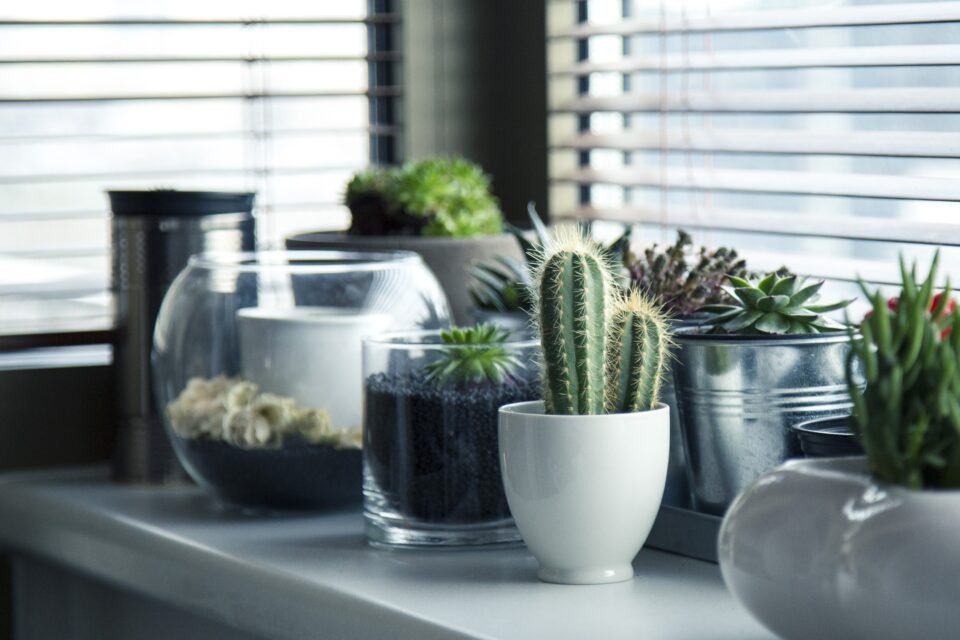
Succulents are popular because of their attractive shapes, fleshy leaves and low-maintenance reputation. Whether you want to decorate a sunny windowsill, make a succulent garden or add greenery outside, knowing how to plant succulents properly gives their roots the best start.
Many people searching for succulents how to care assume the secret is simply giving them less water. In reality, succulents also need fast-draining soil, a pot with drainage holes, the right light and careful handling. Ordinary garden soil or too-frequent watering is the most common reason new plants fail.
This guide explains how to grow succulents from the first step, including how to plant and care for succulents indoors and outdoors, how to pot succulents, how to grow succulents from cuttings and seeds, and how to keep succulent plants alive long after planting.
What You Need Before You Plant Succulents
how to start a succulent with a small, healthy plant. Gather everything first. This reduces handling and stress on the roots.
Choosing a Healthy Succulent
If you are new, start with forgiving plants such as jade, Echeveria, Haworthia or certain Sedum varieties. Look for firm leaves, healthy stems and no pests. Avoid mushy stems, black patches or a foul smell from the soil.
Think about where the plant will live. Some succulents need bright light, while others cope better with filtered indoor light. Check the label, because the way to care for a succulent plant varies by species. If you are unsure what you have, ask the nursery or compare the plant with a reliable identification guide before choosing its spot.
A Pot With Drainage Holes
How to Plant Succulents Drainage holes are the most important feature when you pot succulents. They let excess water escape instead of sitting around the roots.
Terracotta is a good choice because its porous walls help soil dry faster. Plastic and glazed ceramic also work, but soil stays wet longer in them. Choose a pot only slightly bigger than the root ball. An oversized pot holds extra soil and moisture the plant cannot use. If you love a decorative pot without holes, keep the plant in a separate nursery pot inside it and remove the inner pot for watering.
The Best Soil for Succulents
How to Plant Succulents The best soil for succulents drains quickly but holds just enough moisture for the roots. A commercial cactus and succulent mix is a convenient start. If it stays wet too long, improve it with perlite or pumice. A practical blend is two parts potting mix to one part perlite or pumice, adjusted to your plant and climate. Coarse sand and grit also help. Avoid heavy garden soil and dense mixes.
Tools and Materials
- A healthy succulent
- A pot with drainage holes
- Cactus and succulent mix
- Perlite or pumice, if needed
- Gloves for prickly varieties
- A small scoop or spoon
- Clean scissors or snips
- A watering can with a narrow spout
You do not need expensive equipment. Good soil, a suitable pot and gentle handling are enough.
How to Plant Succulents Step by Step
How to Plant Succulents, Follow these seven steps whenever you plant a nursery-grown succulent in a pot.
Step 1: Prepare the Pot and Soil
Check that the drainage holes are open and clean any reused pot. Add enough mix to cover the bottom and support the root ball. Do not put gravel at the bottom in place of drainage holes. A gravel layer does not improve drainage and can leave the soil above it wetter than expected. If you mix your own soil, blend it thoroughly so the mineral material is evenly spread.
Step 2: Remove the Succulent Carefully
Squeeze the sides of the nursery pot gently to loosen the roots, then slide the plant out. Do not yank it by the leaves. If it sticks, run a small tool around the inside edge. Hold the plant by the root ball, because many succulent leaves detach easily.
Step 3: Inspect the Roots
Healthy roots are firm, not slimy. Loosen roots that circle tightly, but do not tear them. If you find rotten roots, trim them with clean scissors and let cut areas dry before planting. If the roots look healthy, you do not need to remove all the old soil.
Step 4: Set the Right Depth
Many people ask how deep to plant succulents. The roots should be covered, while the crown, where the stem meets the roots, sits at or just above the soil surface. Do not bury the lower leaves, because contact with damp soil encourages rot. Make sure the plant stands upright with room for its leaves to spread.
Step 5: Fill the Pot and Secure the Plant
How to Plant Succulents Add mix a little at a time and settle it gently with your fingers. Do not pack it down hard, because roots need air as well as moisture. Leave a small gap below the rim so you can water without spilling soil.
Step 6: Decide When to Water
How to Plant Succulents Should you water right after planting? It depends. If you cut or damaged the roots, or the mix is already moist, let the plant settle for a few days before watering. For an undamaged plant in dry, well-draining mix, a thorough first watering is usually fine. Water until excess drains out, and never leave the pot standing in a full saucer. Then let the soil dry out before watering again. No universal schedule exists, because temperature, light, pot material and species all change how fast the soil dries.
Step 7: Place It in Suitable Light
Put your newly planted succulent in a bright spot. Many indoor succulents need at least six to eight hours of light, and some do better with ten or more hours of bright, indirect light. If the plant came from a shaded shop or greenhouse, increase sun exposure gradually to avoid scorched leaves. Rotate the pot now and then if it leans toward the window.
How to Plant Succulents in Different Settings
The method is similar everywhere, but the location changes how you prepare.
How to Plant Succulents in Pots
How to Plant Succulent in a pot Container planting gives you control over soil, drainage and position. Choose a pot that fits the root system, fill it with succulent mix and keep the crown near the surface. When you plant succulents together in one pot, pick varieties with matching light and watering needs, and leave space for airflow and growth. Crowded plants may look full at first, but leaves pressed against damp soil can rot. The same method applies to bowls, planters and larger containers
How to Plant Succulents Indoors
If you want to grow succulents indoors, How to Plant Succulents choose a bright place with good airflow. A sunny windowsill often works, though the best direction depends on your location and species. Keep plants away from damp corners, and use a grow light if natural light is weak. Check the soil before watering instead of following a weekly routine, because indoor pots often dry more slowly in cool or humid rooms. This is also the basis for how to care for succulents indoors: bright light, quick-draining soil and restrained watering.
How to Plant Succulents Outdoors
How to Plant Succulents outdoor Before you grow succulents outdoors in the ground, check drainage and your plant’s tolerance for heat, rain and cold. If the ground stays wet after rain, choose a better-drained spot or build a raised bed. Mineral amendments improve soil structure but will not fix badly waterlogged ground.
Dig a hole as wide as or wider than the root ball. Cover the roots, keep the crown at the surface and backfill gently. Introduce container-grown plants to stronger outdoor light gradually, and protect frost-sensitive types from cold. Planting succulents in pots outdoors is a good alternative if your soil is heavy, because you can move the containers when the weather turns.
How to Make a Succulent Garden
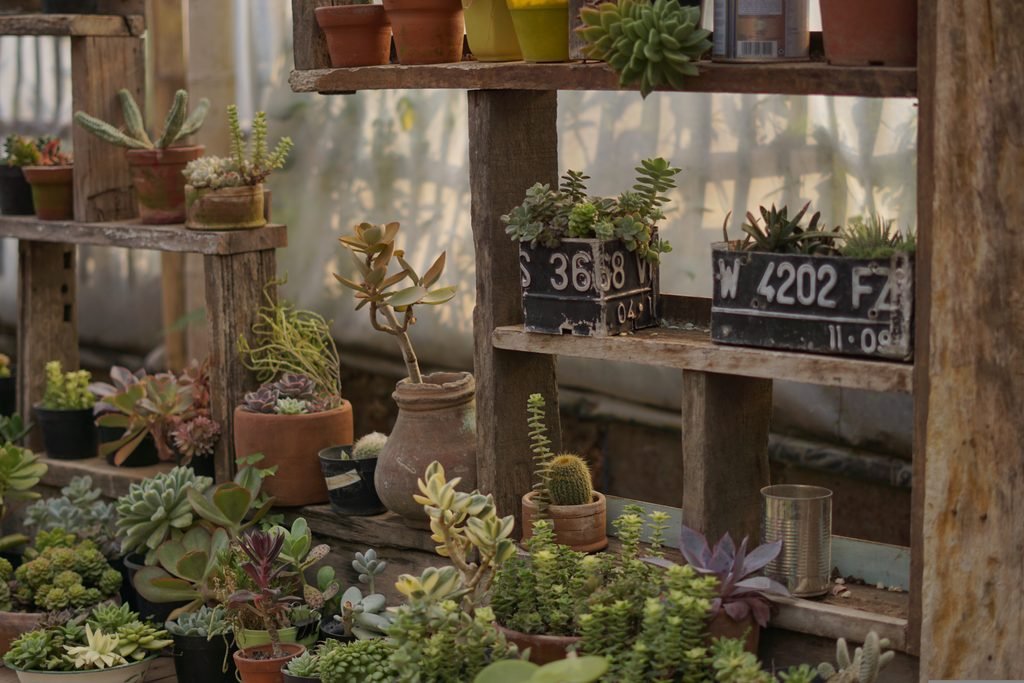
How to Plant Succulents to create a succulent garden, start with a plan. Group plants with similar needs, vary heights and textures, and leave space for growth. In a container garden, use a wide, shallow pot with drainage holes and fill it with succulent mix. In an outdoor bed or rock garden, choose a sunny, well-drained site. A small garden is easier to maintain than a large one, so start modestly and add plants over time. Succulents with similar water needs make the whole garden easier to care for.
How to Grow Succulents From Cuttings and Offsets
How to Plant Succulents from cuttings is an economical way to get more plants. It works differently from planting an established nursery plant.
How to Plant Succulents Stem cuttings:
- Choose a healthy stem and cut it with a clean tool.
- Let the cut end dry and form a callus. The time depends on the size of the cutting and the conditions.
- Place it in a small pot with fast-draining succulent mix.
- Keep it in bright, indirect light while roots form.
- Give only restrained moisture, never waterlogged soil.
How to Plant Succulents Leaf cuttings: Some succulents grow from single leaves, but this does not work for every variety. Use a healthy, intact leaf, let the broken end callus and lay it on suitable mix.
How to Plant Succulents Offsets: Many succulents produce small baby plants, or pups, at the base. If a pup has its own roots, separate it with a clean tool, let any damaged area dry and plant it in a small pot.
Rooting time varies, and not every cutting succeeds. University gardening guidance also recommends callusing the cut end and using fast-draining mix.
How to Grow Succulents From Seeds
How to Plant Succulents Seeds are slower and take more patience. Sow them on a fine, fast-draining mix in a shallow container, press them lightly and do not bury them deeply. Keep them in bright, indirect light with gentle, even moisture. Seedlings are tiny and fragile, so avoid heavy watering. Growth can take months before the plants look like the mature succulent. Many beginners prefer cuttings and offsets because they are faster and more reliable.
How to Care for Succulents After Planting
Planting is only the beginning. Good aftercare is what keeps succulent plants alive.
How to Plant Succulents Sunlight and Temperature
Give your succulent the light it needs without exposing it suddenly to intense direct sun. Pale growth or a stretched stem suggests too little light, while bleached, brown or scorched patches suggest too much. Temperature tolerance varies. Some varieties tolerate cool conditions while others are frost-sensitive. In very hot summers, give protection from harsh midday sun. In winter, reduce watering and keep tender plants away from cold drafts and frost. Cacti and many succulents slow their growth in cooler months, so they need less water then.
How to Plant Succulents Watering and Soil Dryness
Succulents store water in leaves, stems or roots, but they still need water to grow. Check the soil before watering. For most potted varieties, the mix should dry substantially between waterings. Water thoroughly, then let the excess drain.
Avoid tiny daily sips of water. Frequent shallow watering keeps the top damp without wetting the whole root ball. Reduce watering when growth slows and the soil takes longer to dry. The right frequency depends on species, season, pot and local conditions.
Fertilizing and Repotting
How to Plant Succulents Most succulents do not need heavy feeding. If you fertilize, use a suitable product sparingly during the active growing season and follow the label. Repot when the plant outgrows the container, the mix breaks down or drainage gets worse. Choose a pot only a little larger and refresh the soil.
Everyday Maintenance
Remove dead leaves from the soil surface and check for pests from time to time. Good airflow, enough light and careful watering keep growth healthy. This is the simple answer to how to maintain succulents indoors or outdoors.
Caring for Specific Types
How to Plant Succulents Echeveria: These rosette-forming plants like bright light and well-drained soil, and they dislike water sitting in the rosette. Water at the soil level.
How to Plant Succulents Cactus: Cactus care is similar to succulent care, with strong light, a gritty mix and infrequent watering. Cacti usually tolerate drought better than most succulents, so be extra careful not to overwater.
Mini and small succulents: Tiny plants dry out faster in small pots but also rot quickly if overwatered. Check them more often, and use a pot with drainage.
Hanging and potted succulents: Hanging containers dry out faster in the wind and sun, so check them regularly. Potted plants indoors or outside still need drainage and sensible watering.
How to Keep Succulents Small, Make Them Grow Bigger or Help Them Thrive
People often ask how large succulents grow. It depends on the species. Some stay compact, while others, such as jade, grow into large shrubs. Growth speed depends on light, feeding, pot size and season.
To help How to Plant Succulents grow faster or bigger, give them bright light, fast-draining soil, careful watering in the growing season and a slightly larger pot when roots need room. Do not overfeed or overwater to force growth, because that weakens the plant.
How to Plant Succulents To keep succulents small, give them a snug pot, plenty of light so they stay compact, and restrained watering and feeding. Pruning and propagating also keep a plant tidy.
Common Succulent Planting Mistakes
| Common mistake | How to avoid it |
| Overwatering | Check soil dryness before watering and empty the saucer. |
| Pot without drainage | Use drainage holes or a removable nursery pot inside a cover. |
| Dense soil | Use well-draining succulent mix and add perlite or pumice. |
| Oversized pot | Match the pot to the root ball. |
| Burying lower leaves | Keep the crown and lower leaves clear of damp soil. |
| Sudden harsh sunlight | Acclimate the plant gradually. |
| Fixed watering schedule | Adjust to plant, soil, pot, season and weather. |
How to Plant Succulents A common misconception is that succulents need no water because they are drought-tolerant. They do need water. The aim is to give it when necessary without keeping the roots wet for too long.
Frequently Asked Questions
How do you plant succulents for beginners?
Choose a healthy plant, prepare a pot with drainage holes, use fast-draining succulent mix, set the roots at the right depth and place the pot in suitable light. Water according to the plant’s condition and let excess drain away.
What is the best soil for planting succulents?
A commercial cactus and succulent mix is a good start. If it holds too much moisture, add perlite or pumice. The ideal blend depends on the species and your conditions.
Do succulents need pots with drainage holes?
Yes, drainage holes are strongly recommended. If you prefer a decorative pot without holes, keep the plant in a draining inner pot and remove it for watering.
Should you water succulents immediately after planting?
It depends on the roots and soil. An undamaged plant in dry, well-draining mix can often be watered thoroughly. If roots were cut or damaged, let them dry first.
How deep should succulents be planted?
Cover the roots and keep the crown and lower leaves at or above the soil surface. Planting too deep leaves fleshy leaves against damp soil and raises the risk of rot.
Can you plant succulents in regular potting soil?
Cover the roots and keep the crown and lower leaves at or above the soil surface. Planting too deep leaves fleshy leaves against damp soil and raises the risk of rot.
How much sunlight do newly planted succulents need?
Many need six to eight hours of light, and some benefit from longer periods of bright, indirect light. Introduce stronger direct sun gradually.
Can you plant succulents directly in the ground?
Yes, if the species suits your climate and the area drains well. Avoid waterlogged ground and protect plants from temperature extremes.
How do you grow succulents from cuttings?
Take a healthy cutting with a clean tool, let the cut end callus and place it in fast-draining mix. Keep it in bright, indirect light and avoid excess moisture while roots form.
How often should you water newly planted succulents?
There is no single schedule. Check how fast the soil dries and consider season, pot, light and temperature. Water when the plant and soil need it, not on a fixed day.
How do you keep succulent plants alive?
Use fast-draining soil, a pot with drainage, plenty of light and careful watering. Most deaths come from overwatering and poor drainage, not from neglect.
Conclusion: Help Your Succulents Thrive
Learning how to plant succulents is easier when you focus on the essentials: a suitable pot, well-draining soil, careful root handling, the right planting depth and good light. These basics prevent root rot, weak growth and sun damage, whether you How to Plant Succulents plant in pots, in a garden bed or in an indoor display.
After planting, watch how quickly the soil dries and how the plant responds to its location. Adjust watering and light as needed instead of relying on a rigid routine, and remember that every variety has its own preferences.
Ready to grow your own succulent garden? Start with a healthy plant and a suitable container, then explore more Garden and Outdoor guides on LuxaryStyles.com for practical ideas to create a beautiful, easy-care green space.