
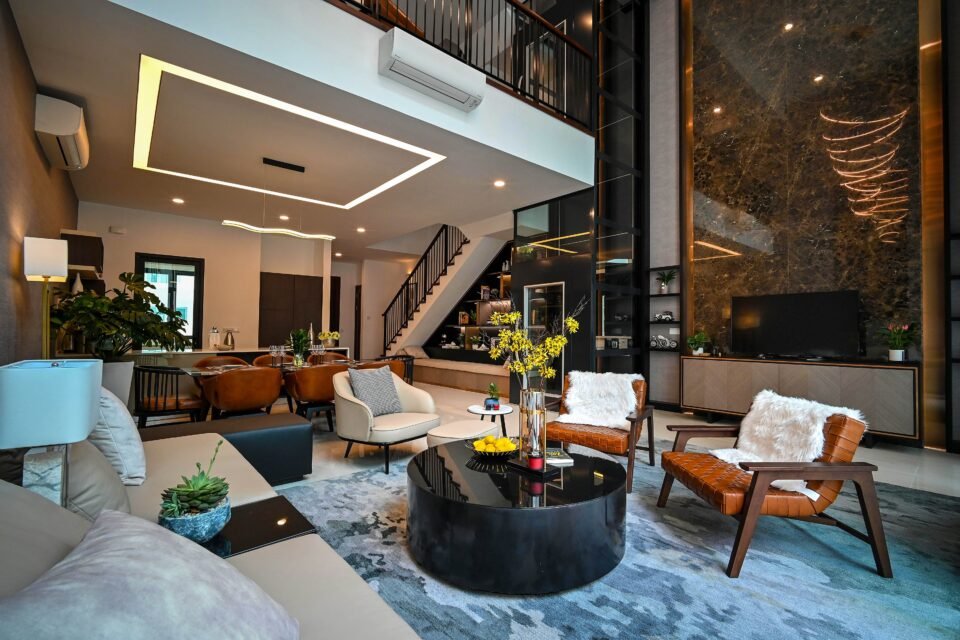
Your home should reflect your personality, lifestyle, and daily needs. The right interior design choices can make a room feel peaceful, welcoming, elegant, or full of energy. However, with so many looks to explore, choosing the best direction can feel confusing.
Understanding different interior design styles makes decorating easier. Each style has its own colors, furniture shapes, materials, patterns, and atmosphere. Some favor clean lines and simple rooms, while others celebrate vintage furniture, bold colors, or natural textures.
This guide explores 20 popular interior design styles, explains their defining features, and shares practical ways to use them. You will also learn how to choose a style, combine different looks, decorate small spaces, and create a beautiful home without overspending.
What Are Interior Design Styles?
Interior design styles are recognizable approaches to arranging and decorating indoor spaces. They influence furniture, wall colors, lighting, flooring, fabrics, accessories, and architectural details.
For example, minimalist interior design styles focus on simplicity and useful furniture. Traditional home decor often includes classic furniture, decorative details, and rich fabrics. Scandinavian interior design combines practical furnishings with natural materials and comfortable spaces.
Interior design and interior decorating are related but slightly different. Interior design can involve space planning, lighting, materials, and the function of a room. Interior decorating focuses more on finishes, furniture, colors, and accessories.
You do not need to follow one style perfectly. Many homes combine two complementary aesthetics to create a personal, balanced look.
20 Popular Interior Design Styles Explained
1. Modern Interior Design

Modern interior design draws inspiration from design movements that developed during the early and middle twentieth century. interior design styles emphasizes clean lines, practical furniture, simple forms, and limited ornamentation.
Common colors include white, black, gray, beige, and warm earth tones. Materials may include wood, glass, metal, leather, and concrete.
How to use it: Choose streamlined furniture, simple window treatments, and uncluttered surfaces. Add a textured rug or statement light to prevent the room from feeling too plain.
Modern interior design works well in apartments, open-plan homes, and spaces where function matters as much as appearance.
2. Contemporary Interior Design
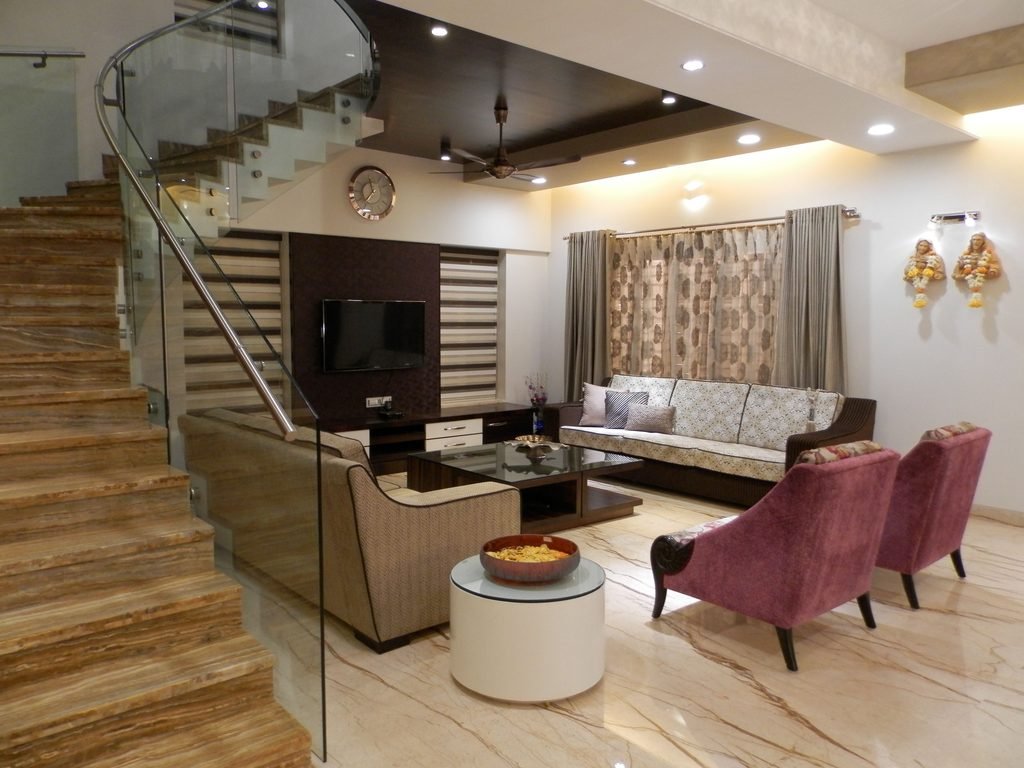
Contemporary interior design reflects current design preferences rather than one fixed historical period. Its appearance can change as furniture, colors, materials, and decorating ideas evolve.
Today’s contemporary home decor may feature curved sofas, sculptural lighting, natural wood, textured fabrics, and neutral color palettes. However, contemporary rooms can also include bold artwork or stronger accent colors.
How to use it: Start with comfortable furniture and a simple foundation. Introduce a few current details through lighting, accessories, or artwork.
Unlike modern design, which refers to a particular design movement, contemporary design changes with the times.
3. Minimalist Interior Design

Minimalist interior design focuses on simplicity, purpose, and visual calm. Every piece should serve a practical function or add meaningful character to the room.
Typical features include clean surfaces, simple furniture, neutral colors, and carefully selected decorations. Natural wood, linen, stone, and soft lighting can add warmth without creating clutter.
How to use it: Keep essential furniture, organize everyday belongings, and leave enough empty space around larger pieces. Choose storage that hides items you do not want on display.
Minimalist interiors are particularly useful for small homes, busy households, and people who prefer an organized environment.
4. Scandinavian Interior Design

Scandinavian interior design takes inspiration from Nordic homes and emphasizes comfort, simplicity, functionality, and natural materials.
White, cream, pale gray, and light wood often create the foundation. Wool blankets, linen curtains, simple furniture, and soft lighting make rooms feel warm rather than empty.
How to use it: Choose light-colored furniture, introduce natural textures, and maximize available daylight. Add cushions, plants, and a comfortable reading corner.
Scandinavian room design suits living rooms, bedrooms, and apartments that need a bright, relaxed atmosphere.
5. Japandi Interior Design
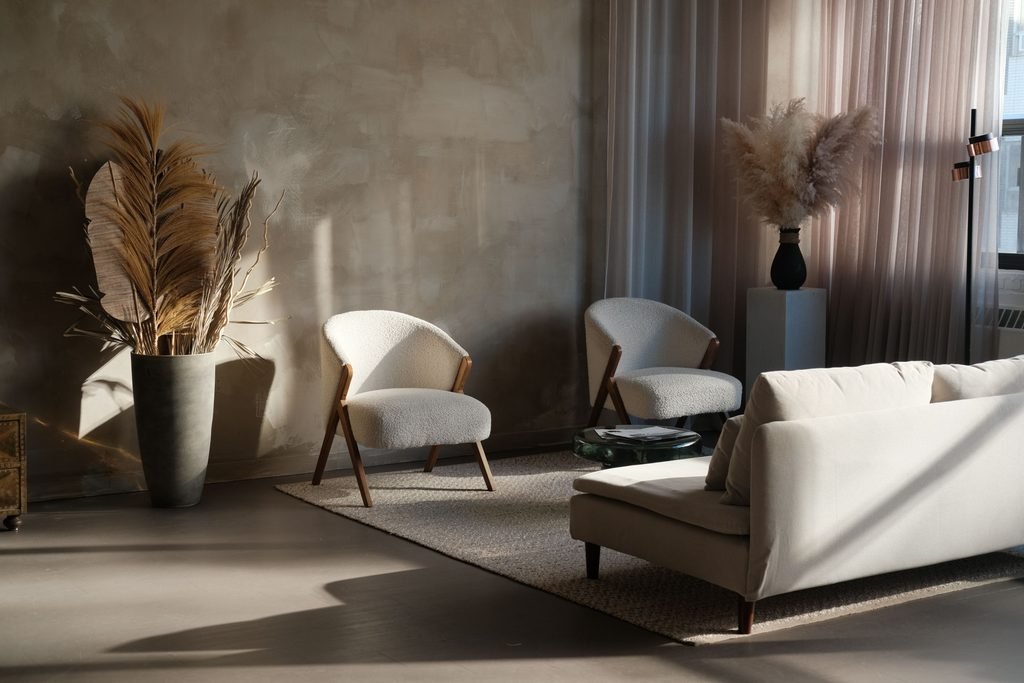
Japandi interior design combines Japanese design principles with Scandinavian simplicity. It balances natural beauty, practical furniture, restrained decoration, and a calm atmosphere.
Its palette often includes beige, cream, brown, charcoal, muted green, and other earthy shades. Wood, stone, ceramics, linen, and handcrafted accessories provide texture.
How to use it: Select low-profile furniture, simple storage, and a few carefully chosen decorative pieces. A Japandi bedroom can feature natural bedding, a wooden bed frame, and warm bedside lighting.
Avoid overcrowding the room. Japandi style furniture and accessories should support a sense of balance, not compete for attention.
6. Mid-Century Modern Interior Design

Mid-century modern interior design draws inspiration from furniture and interiors of the middle twentieth century. It is known for functional shapes, organic curves, tapered furniture legs, and a mix of wood and other materials.
Walnut and teak tones often appear alongside mustard yellow, olive green, rust, cream, or blue. Furniture usually combines simple construction with distinctive silhouettes.
How to use it: Add a wooden sideboard, a streamlined armchair, or a geometric rug. Choose one or two vintage-inspired pieces instead of filling the room with matching retro furniture.
This style suits homeowners who enjoy timeless furniture with a recognizable character.
7. Industrial Interior Design

Industrial interior design takes inspiration from warehouses, factories, and converted lofts. It often celebrates materials and structural features that other styles might hide.
Exposed brick, metal fixtures, concrete surfaces, reclaimed wood, and dark finishes are common. Black, gray, brown, and muted earth tones create a strong foundation.
How to use it: Try metal shelving, a wood-and-metal coffee table, or simple pendant lighting. Soften hard surfaces with comfortable seating, rugs, curtains, and cushions.
Industrial style living rooms work especially well when practical furniture balances the room’s rougher materials.
8. Bohemian Interior Design
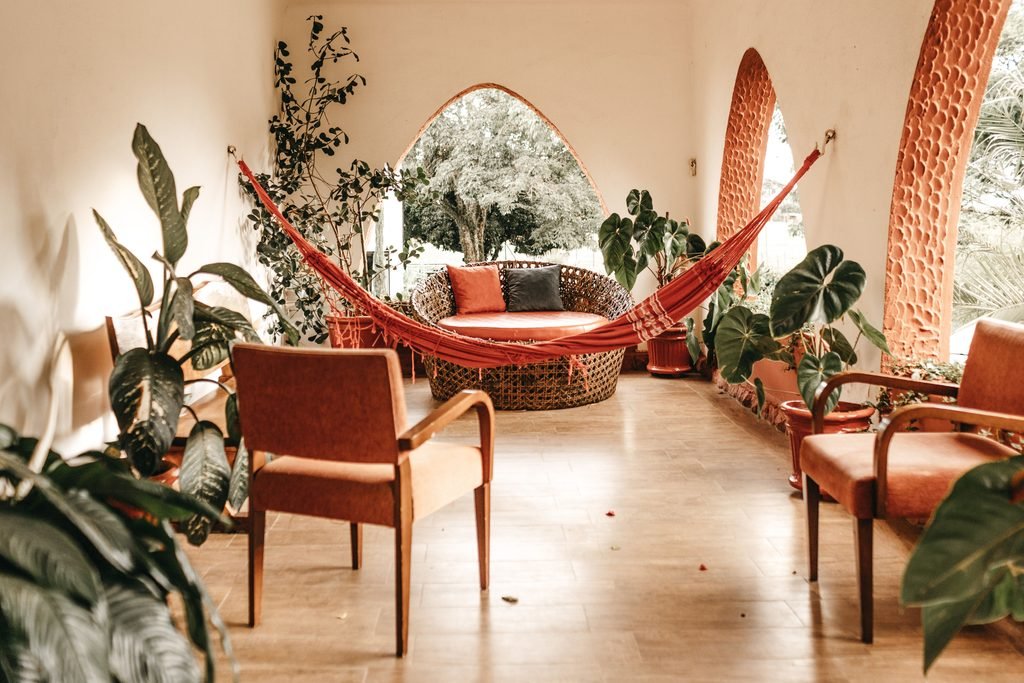
Bohemian interior design, often called boho style, celebrates creativity, individuality, and layered decoration. It allows different patterns, colors, textures, and collected objects to work together.
Rattan, woven baskets, patterned rugs, plants, embroidered cushions, and vintage furniture are common features. The color palette may include earthy neutrals or bright shades.
How to use it: Begin with a few meaningful pieces, then layer rugs, cushions, artwork, and handcrafted accessories. Repeat one or two colors to connect different patterns.
Bohemian style decor is ideal for people who enjoy expressive rooms rather than carefully matched furniture.
9. Traditional Interior Design

Traditional interior design draws inspiration from established European and American decorating traditions. It often features balanced layouts, classic furniture, decorative details, and rich fabrics.
Common elements include wooden tables, upholstered armchairs, framed artwork, patterned curtains, and elegant lamps. Cream, burgundy, navy, brown, and forest green can complement the furniture.
How to use it: Choose a coordinated seating arrangement, add classic lighting, and introduce decorative details in moderation. Vintage accessories can provide character without requiring a complete antique collection.
Traditional home decor suits people who appreciate formal rooms and timeless furnishings.
10. Transitional Interior Design
Transitional interior design blends traditional elements with contemporary comfort. It offers a middle ground between ornate classic rooms and strictly modern interiors.
A room may combine a curved sofa, a traditional wooden table, simple lighting, and a neutral color scheme. Layered textures help create interest without excessive ornamentation.
How to use it: Pair one classic furniture piece with cleaner, simpler furnishings. Repeat colors across upholstery, rugs, and accessories to maintain visual consistency.
Transitional style interior design works well for families who want a polished home that still feels comfortable and practical.
11. Modern Farmhouse Interior Design

Modern farmhouse interior design combines country-inspired warmth with cleaner, more contemporary details. It often features natural wood, simple furniture, comfortable upholstery, and practical storage.
White, cream, warm gray, beige, and black accents are common. Wood beams, rustic tables, woven baskets, and straightforward lighting can reinforce the look.
How to use it: Introduce a wooden dining table, textured cushions, and simple cabinetry. Mix rustic materials with modern shapes so the room feels updated rather than overly themed.
Modern farmhouse interiors suit family homes and people who enjoy a relaxed, welcoming atmosphere.
12. Rustic Interior Design

Rustic interior design highlights natural materials, visible texture, and an informal connection to the outdoors. Wood grain, stone, leather, linen, and handmade objects often take center stage.
Colors typically include brown, beige, cream, forest green, and other earthy shades. Furniture may have a weathered finish or a substantial, handcrafted appearance.
How to use it: Add reclaimed wood, woven textiles, natural stone accents, or warm lamps. Balance rough textures with comfortable seating and softer fabrics.
Rustic home interiors can feel especially inviting in living rooms, cabins, and homes with natural architectural features.
13. Coastal Interior Design
Coastal interior design takes inspiration from the sea, beaches, and relaxed seaside homes. It focuses on light, comfortable furnishings, airy spaces, and natural textures.
White, sandy beige, soft blue, muted green, and driftwood tones are common. Linen, cotton, rattan, pale wood, and woven rugs help create a relaxed finish.
How to use it: Choose light curtains, comfortable seating, and a limited palette of coastal colors. A few natural accessories can suggest a seaside atmosphere without using shells or nautical decorations everywhere.
Coastal design style works well in bedrooms, living rooms, and homes that benefit from a fresh, open feeling.
14. Mediterranean Interior Design

Mediterranean interior design draws inspiration from homes across regions surrounding the Mediterranean Sea. It combines warm colors, natural materials, handcrafted details, and relaxed indoor living.
Terracotta, cream, olive green, warm brown, and blue may appear alongside stone, wood, clay tiles, and textured plaster.
How to use it: Introduce terracotta accessories, ceramic pieces, warm lighting, and natural wood. If renovation is possible, consider textured walls or patterned tiles.
Mediterranean home decor can make a space feel grounded and welcoming without relying on expensive furniture.
15. French Country Interior Design

French country interior design combines rustic materials with soft colors and elegant details. It often feels collected, comfortable, and slightly informal rather than perfectly polished.
Typical features include distressed wood, curved furniture, floral fabrics, ceramic accessories, and warm neutral colors. Pale blue, muted green, cream, and soft yellow can complement natural wood.
How to use it: Mix a simple wooden table with upholstered chairs, floral cushions, or vintage-inspired lighting. Choose a few decorative details instead of filling every surface.
French country interiors suit dining rooms, kitchens, and bedrooms that need a relaxed yet refined appearance.
16. Art Deco Interior Design

Art Deco interior design draws inspiration from the bold, decorative style associated with the 1920s and 1930s. It emphasizes geometry, symmetry, glamorous materials, and striking visual details.
Black, cream, emerald, navy, and gold accents can create a dramatic palette. Mirrors, polished surfaces, geometric patterns, and sculptural lighting are characteristic features.
How to use it: Introduce a geometric rug, a decorative mirror, or a statement lamp. Use metallic finishes carefully so the room feels sophisticated rather than crowded.
Art Deco interiors work well for homeowners who enjoy bold details and a touch of vintage glamour.
17. Maximalist Interior Design

Maximalist interior design celebrates abundance, personality, and expressive decoration. It uses color, patterns, artwork, books, textiles, and meaningful objects to create rooms with character.
Unlike minimalist interiors, maximalist spaces welcome visual variety. However, successful maximalism still benefits from thoughtful arrangement and a sense of connection between objects.
How to use it: Choose a color family, combine different patterns, and display collections in organized groups. Repeat selected colors across cushions, artwork, and rugs.
Maximalist interiors are ideal for people who enjoy colorful rooms and want their homes to reflect their interests.
18. Eclectic Interior Design

Eclectic interior design combines furniture, accessories, and influences from different styles. It may include modern seating, vintage furniture, traditional artwork, and contemporary lighting in one room.
The aim is not to match everything. Instead, different pieces should work together through shared colors, proportions, textures, or visual balance.
How to use it: Select a common element, such as warm wood or a repeated accent color, to connect contrasting pieces. Mix old and new furniture while leaving enough space for important items to stand out.
Eclectic home decor offers flexibility for people who enjoy several interior decorating styles.
19. Organic Modern Interior Design

Organic modern interior design combines contemporary simplicity with natural materials, soft shapes, and earthy colors. It creates a clean but welcoming environment through texture and subtle variation.
Common features include curved furniture, light or medium-toned wood, stone, linen, ceramics, and neutral color palettes. Plants may add another natural element.
How to use it: Combine a simple sofa with a wooden table, textured cushions, and a handmade ceramic accessory. Use several natural finishes instead of relying on one flat color.
Organic modern style suits people who want a contemporary home that feels warm rather than stark.
20. Shabby Chic Interior Design
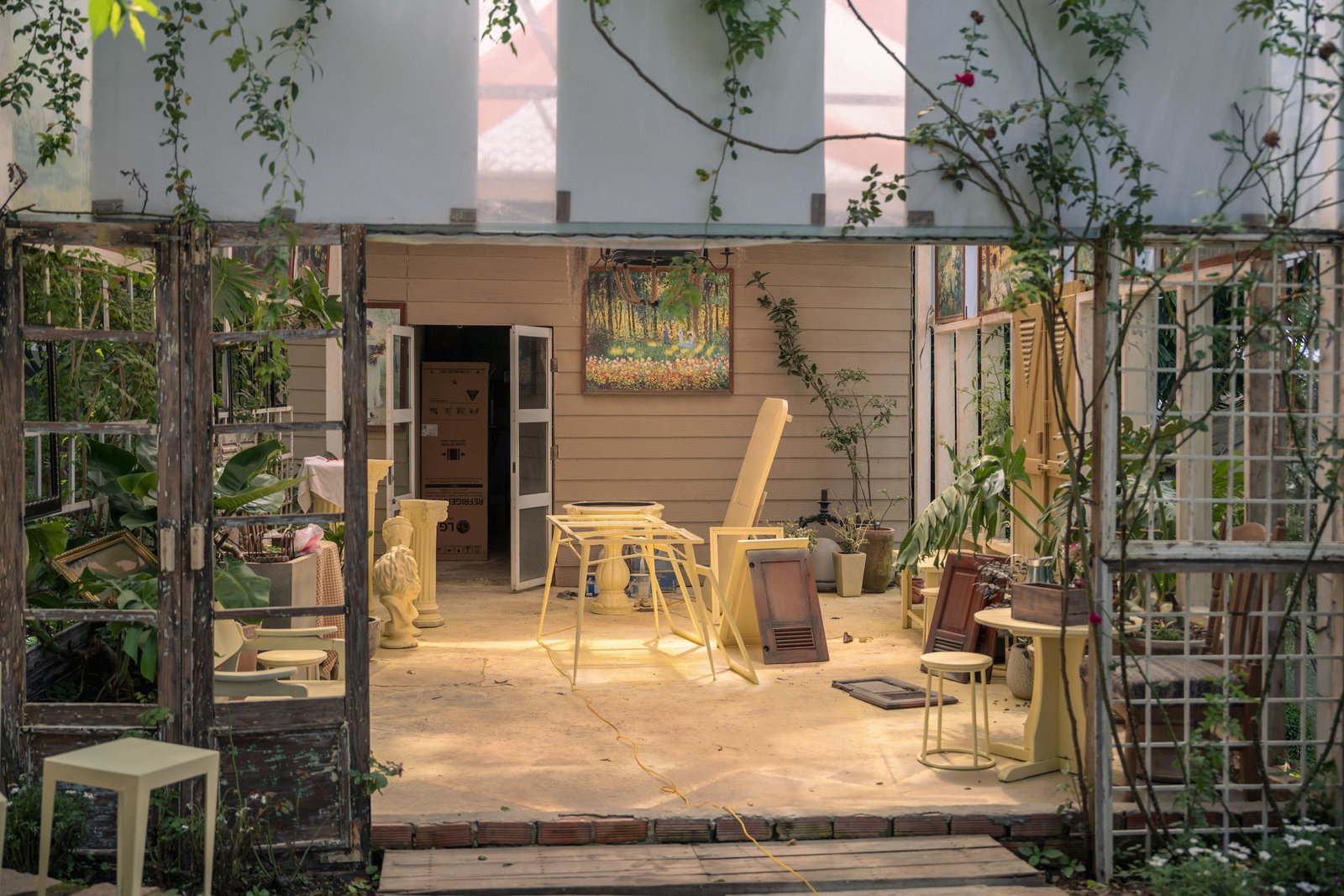
Shabby chic interior design blends vintage-inspired furniture, soft colors, decorative details, and intentionally aged finishes. It often creates a romantic, relaxed atmosphere.
Cream, pale pink, soft blue, muted green, and white are common colors. Distressed wood, floral patterns, vintage mirrors, and delicate fabrics help establish the look.
How to use it: Repurpose an old side table, add floral cushions, or display a vintage mirror. Choose durable pieces and finishes that suit your lifestyle rather than aging new furniture unnecessarily.
Shabby chic works particularly well in bedrooms, reading corners, and spaces that benefit from a gentle, nostalgic mood.
Interior Design Styles at a Glance
Use this comparison to identify which styles best match your preferences.
| Style | Main colors | Signature features |
| Modern | Neutrals, black, white | Clean lines and functional furniture |
| Contemporary | Changing neutral and accent palettes | Current shapes and mixed influences |
| Minimalist | White, beige, gray | Simplicity and uncluttered surfaces |
| Scandinavian | White, cream, pale wood | Comfort and natural materials |
| Japandi | Earthy neutrals, charcoal | Japanese and Nordic influences |
| Mid-century modern | Wood, olive, mustard | Tapered legs and organic forms |
| Industrial | Black, gray, brown | Metal, brick, and raw finishes |
| Bohemian | Earthy or vibrant colors | Layered patterns and collected decor |
| Traditional | Cream, burgundy, navy | Classic furniture and rich fabrics |
| Transitional | Warm neutrals | Traditional details with modern shapes |
| Modern farmhouse | White, beige, black | Rustic warmth and simple finishes |
| Rustic | Brown, cream, green | Natural textures and weathered wood |
| Coastal | White, blue, sandy beige | Airy spaces and relaxed fabrics |
| Mediterranean | Terracotta, olive, cream | Clay, stone, and warm textures |
| French country | Cream, muted pastels | Rustic furniture and delicate details |
| Art Deco | Black, gold, jewel tones | Geometry and glamorous accents |
| Maximalist | Bold and varied colors | Abundant patterns and collections |
| Eclectic | Mixed palettes | Different styles connected thoughtfully |
| Organic modern | Earthy neutrals | Curved forms and natural materials |
| Shabby chic | White, pink, soft blue | Vintage details and aged finishes |
How to Choose the Right Interior Design Style
Choosing from so many interior design styles becomes easier when you focus on your daily life instead of trends alone.
Follow this practical checklist:
- Identify your favorite colors. Notice whether you prefer warm earth tones, cool neutrals, pastels, or bold colors.
- Look at furniture you already love. Your favorite sofa, dining table, or bedroom furniture may reveal your preferred aesthetic.
- Consider your lifestyle. Families with children or pets may need durable fabrics, practical storage, and easy-clean surfaces.
- Assess your space. Natural light, ceiling height, room dimensions, and existing finishes affect which ideas will work.
- Set a realistic budget. Decide what you can spend on furniture, paint, lighting, and accessories.
- Collect inspiration. Save examples of rooms you like, then look for repeated colors, materials, and shapes.
- Choose a starting point. Pick one room or a few key pieces before redesigning your entire home.
- Test before committing. Try paint samples, fabric swatches, or furniture layouts before making expensive purchases.
Your preferred style should support the way you live. A beautiful room is less useful if it is uncomfortable, difficult to maintain, or filled with furniture you rarely use.
Modern vs. Contemporary vs. Minimalist Design
These three interior design styles can look similar, but they have different priorities.
Modern design follows a recognizable historical design movement, with clean lines, practical forms, and restrained decoration.
Contemporary design reflects current preferences. Its materials, colors, and furniture shapes can change over time.
Minimalist design focuses on reducing unnecessary elements and keeping only what serves a purpose or adds value.
A modern room may contain several carefully chosen decorative objects. A contemporary room might feature a curved sofa or a current design trend. A minimalist room can use either modern or contemporary furniture, provided the overall space remains simple.
Choose modern design if you appreciate timeless lines, contemporary design if you enjoy evolving looks, or minimalism if you prefer less visual clutter.
Can You Mix Different Interior Design Styles?
Yes. Combining styles can create a more personal home, provided the different elements share some visual connection.
The easiest method is to select one dominant style and introduce a second as an accent. For example, a Scandinavian living room can include a vintage armchair, while a modern room can incorporate rustic wood furniture.
Use these guidelines:
- Repeat colors: Connect different furniture pieces through a shared color palette.
- Balance materials: Combine wood, metal, stone, and fabrics without using too many competing finishes.
- Vary shapes thoughtfully: Pair straight-lined furniture with one or two curved pieces.
- Maintain proportion: Large furniture should suit the room, while accessories should not overwhelm the layout.
- Leave breathing room: Empty space helps individual pieces stand out.
A useful starting point is to let one style define the room and use the second style for selected furniture, lighting, or accessories. You do not need to follow a strict ratio; the goal is visual balance.
Best Interior Design Styles for Different Rooms
Different rooms have different practical needs, so the best style may vary throughout your home.
Living room styles
A living room should support conversation, relaxation, and everyday activities. Scandinavian, transitional, modern farmhouse, contemporary, and organic modern styles can all work well.
Choose comfortable seating, suitable lighting, and a rug that helps define the seating area. If you enjoy color, bohemian or eclectic details can add personality.
Bedroom decorating styles
Bedrooms benefit from comfort, practical storage, and lighting that suits winding down at night. Japandi, minimalist, Scandinavian, French country, and shabby chic styles are useful starting points.
Soft bedding, bedside lamps, and uncluttered surfaces can make the room feel more restful. Your chosen colors should also suit your personal preferences.
Kitchen interior design
Kitchen interior design needs to balance appearance with cleaning, storage, and food preparation. Modern, contemporary, farmhouse, traditional, and Mediterranean influences can all be adapted to kitchens.
Choose cabinet finishes, countertops, lighting, and hardware that work together. Durable materials and useful storage matter more than decorative trends that interfere with everyday tasks.
Bathroom design
Bathrooms often benefit from simple layouts, appropriate lighting, and moisture-suitable finishes. Modern, minimalist, coastal, and organic modern ideas can create a calm appearance.
Use suitable materials for wet areas, and consider storage before adding decorative accessories. Small details, such as mirrors, towels, and lighting, can change the atmosphere without a complete renovation.
Small apartments and rental homes
Small-space interior design works best when furniture serves clear purposes and the layout remains easy to move through.
Consider Scandinavian, minimalist, Japandi, or contemporary styles. Choose appropriately sized furniture, use vertical storage where permitted, and avoid blocking windows with bulky items.
Renters can change the atmosphere with removable decor, rugs, bedding, portable lamps, and furniture they can take to their next home. Always check rental rules before changing paint, fixtures, or built-in features.
How to Create a Beautiful Home on a Budget
You do not need to replace everything to establish a clear design direction. Many home decor styles can be recreated gradually through thoughtful choices.
Start by rearranging existing furniture. A different layout may improve circulation, conversation, and access to natural light without costing anything.
Next, identify the items that affect the room most. These may include curtains, rugs, lighting, bedding, or a large piece of furniture. Updating one or two elements can make the room feel more consistent.
Consider these budget-friendly ideas:
- Repaint a suitable wall or furniture piece if you have permission.
- Shop secondhand for solid wood tables, mirrors, and storage furniture.
- Replace small details, such as cabinet hardware or lampshades.
- Use cushions, throws, and curtains to introduce color and texture.
- Repurpose furniture instead of buying replacements.
- Compare measurements and material quality before purchasing.
- Invest in durable essentials and save on easily changed accessories.
Avoid buying every item at once. Living with a room for a while helps you understand what is missing and prevents unnecessary spending.
Common Mistakes to Avoid When Decorating
Even attractive interior design styles can disappoint when the room does not suit its users. Avoid these common mistakes:
Following every trend: Trends change, but furniture can be expensive to replace. Use trends in smaller, easier-to-update accessories.
Buying furniture before measuring: Check doorways, walking space, and room dimensions before ordering large items.
Ignoring lighting: A room may need a combination of general lighting, task lighting, and softer accent lighting.
Choosing appearance over function: Furniture should support everyday routines, comfort, storage, and maintenance.
Mixing too many competing ideas: Different styles can work together, but a consistent color palette and thoughtful arrangement help maintain balance.
Forgetting texture: A room with only smooth, flat surfaces may feel unfinished. Add suitable fabrics, wood grain, woven materials, or other tactile details.
Copying a room exactly: Inspiration should guide your decisions, not force you to reproduce a space that does not fit your home or budget.
Frequently Asked Questions
What are the most popular interior design styles?
Popular options include modern, contemporary, minimalist, Scandinavian, Japandi, mid-century modern, farmhouse, coastal, traditional, industrial, and transitional design. The best choice depends on your taste, home, and lifestyle.
How do I find my interior design style?
Collect examples of rooms you like and identify repeated colors, materials, furniture shapes, and decorative details. Compare those patterns with established interior design styles, then test a few ideas in one room.
Which interior design style is best for a small home?
Minimalist, Scandinavian, Japandi, and some contemporary styles can work well in small homes because they encourage practical furniture, organized storage, and clear layouts. Furniture size and room planning matter more than the style name alone.
Can I combine modern and traditional interior design?
Yes. Transitional design specifically blends traditional and contemporary influences. You can also combine modern furniture with classic accessories by repeating colors, balancing proportions, and avoiding excessive decoration.
Is interior design expensive?
It can be, but it does not have to be. Rearranging furniture, repainting suitable surfaces, shopping secondhand, and updating textiles can help establish your preferred look. Renovations and custom furniture generally require a larger budget.
Final Thoughts
The best interior design styles are the ones that make your home feel comfortable, functional, and personal. You might prefer the simplicity of minimalism, the warmth of modern farmhouse interiors, the natural textures of Japandi, or the expressive character of eclectic design.
Start by understanding the features of different styles, then consider your room size, lifestyle, existing furniture, and budget. You can follow one aesthetic throughout your home or combine complementary ideas in different rooms.
Remember that good home styling does not depend on buying everything new. Thoughtful furniture placement, suitable colors, layered textures, useful lighting, and meaningful accessories can transform a space over time.