25 Backyard Landscaping Ideas to Transform Your Outdoor Space (2026 Guide)

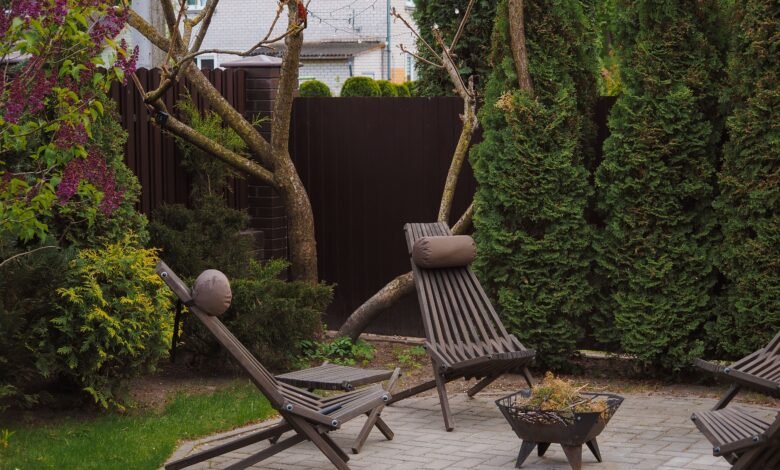
The best backyard landscaping ideas do not need a huge lot or a huge budget. They need a clear plan, the right materials for your climate, and a few smart choices about where things go. This guide gives you 25 practical backyard landscaping ideas, each with a rough cost range and a difficulty rating, so you can see what is realistic before you spend a dollar.
Start by dividing your yard into zones (dining, lounging, planting), add privacy with layered plants, choose low-maintenance surfaces like gravel and mulch, and light the space for evenings. Do one project at a time and your yard will improve without a single huge bill.
What’s Inside
- How to Plan Your Backyard Landscaping (Before You Buy Anything)
- Small Backyard Landscaping Ideas (1 to 5)
- Low-Maintenance Backyard Landscaping Ideas (6 to 9)
- Budget Backyard Landscaping Ideas (10 to 13)
- Backyard Landscaping Ideas for Privacy (14 to 16)
- Backyard Landscaping Ideas for Sloped Yards (17 to 19)
- Backyard Landscaping Ideas for Entertaining (20 to 23)
- Water and Wildlife Ideas (24 and 25)
- Best Plants for Backyard Landscaping
- How Much Does Backyard Landscaping Cost?
- Backyard Landscaping Ideas by Climate
- Common Mistakes to Avoid
- FAQs
How to read the labels: Costs are rough US estimates for materials, and sometimes labor, and they change with your region, supplier and yard size. Difficulty is Easy (a weekend, no special tools), Medium (some skill or help needed), or Pro (best done by a contractor).
How to Plan Your Backyard Landscaping (Before You Buy Anything)
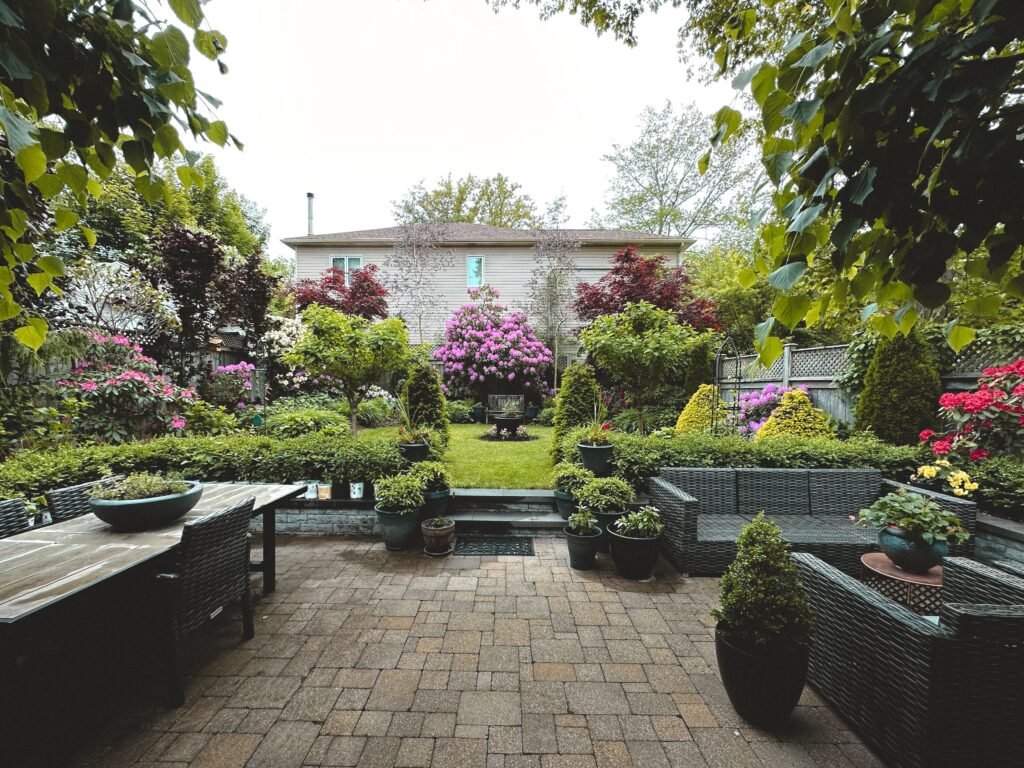
Most regretted yard projects come from skipping the planning stage. Spend one weekend on these five steps and every idea below becomes easier to choose.
1. Measure and map. Sketch your yard on graph paper, including the house, fences, trees, utilities and the slope of the ground. Even a rough drawing helps you place things in proportion.
2. Track the sun. Check the yard at 9 a.m., noon and 4 p.m. Note which areas get full sun (6+ hours), part shade, or full shade. This decides both your plants and where you will actually want to sit.
3. List how you will use the space. Dining, a play area for kids, a dog run, a vegetable bed, a quiet reading corner? Rank them. Put the top two or three first and let the rest fit around them.
4. Set a budget and a phase plan. Decide a total, then split the work into phases. Hardscape (patios, walls, paths) usually comes first, then trees and shrubs, then smaller plants and decor. Phasing spreads cost and lets you adjust as you learn how you use the yard.
5. Check rules and utilities. Before digging, call your local utility locator service (811 in the US) and check HOA or city rules on fences, structures and permits. Retaining walls, large decks and pergolas often need approval.
Small Backyard Landscaping Ideas
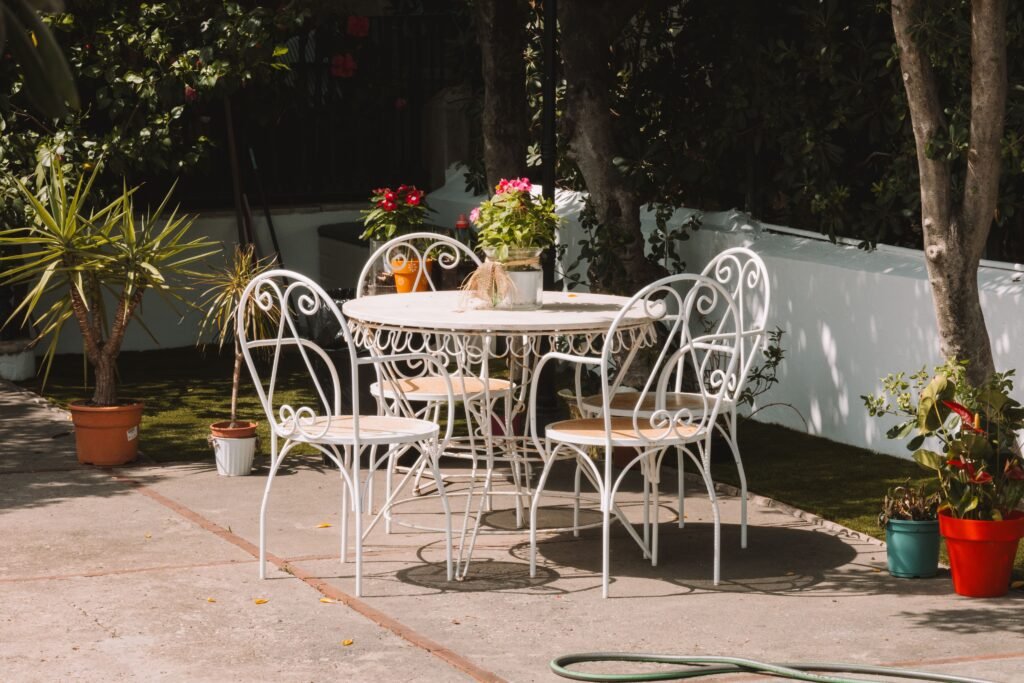
A small yard is not a limitation. It forces better design. The goal is to make the space feel larger, more organized and more useful.
1. Divide the Yard Into Functional Zones
Cost: $200 to $2,500 | Difficulty: Medium
Even a 15 by 20 foot yard can hold a dining spot, a lounge corner and a planting area. Define each zone with a change of surface (pavers for dining, gravel or grass for lounging), a low planter, or a rug. Zones give the eye places to rest, which makes the whole yard feel bigger and less cluttered.
2. Grow Up: Vertical Gardens and Trellises
Cost: $50 to $600 | Difficulty: Easy
When floor space is tight, use walls and fences. Trellises with climbing plants, wall-mounted planters and tiered plant stands add greenery without eating into your seating area. In sunny spots, try clematis or climbing roses. In shade, ivy or climbing hydrangea works. A herb wall near the back door is useful as well as pretty.
3. Build Seating With Hidden Storage
Cost: $150 to $900 | Difficulty: Easy to Medium
A bench with a lift-up lid hides cushions, tools and kids’ toys. Built-in seating along a fence uses space that would otherwise be dead, and a planter at one end can double as a divider. Multi-purpose pieces are one of the smartest backyard landscaping ideas for compact yards.
4. Choose Furniture That Fits the Scale
Cost: $200 to $1,200 | Difficulty: Easy
A full dining set can swallow a small patio. Pick a bistro set, a loveseat or two chairs with a small side table. Leave at least 36 inches around seating so people can move without squeezing past each other.
5. Layer Containers for a Garden Without Digging
Cost: $50 to $300 | Difficulty: Easy
Group pots in odd numbers with different heights. A tall plant at the back, mid-height in the middle and a trailing plant at the front gives a lush look. Containers also let you move plants as the seasons or sun patterns change, and they suit renters.
Low-Maintenance Backyard Landscaping Ideas
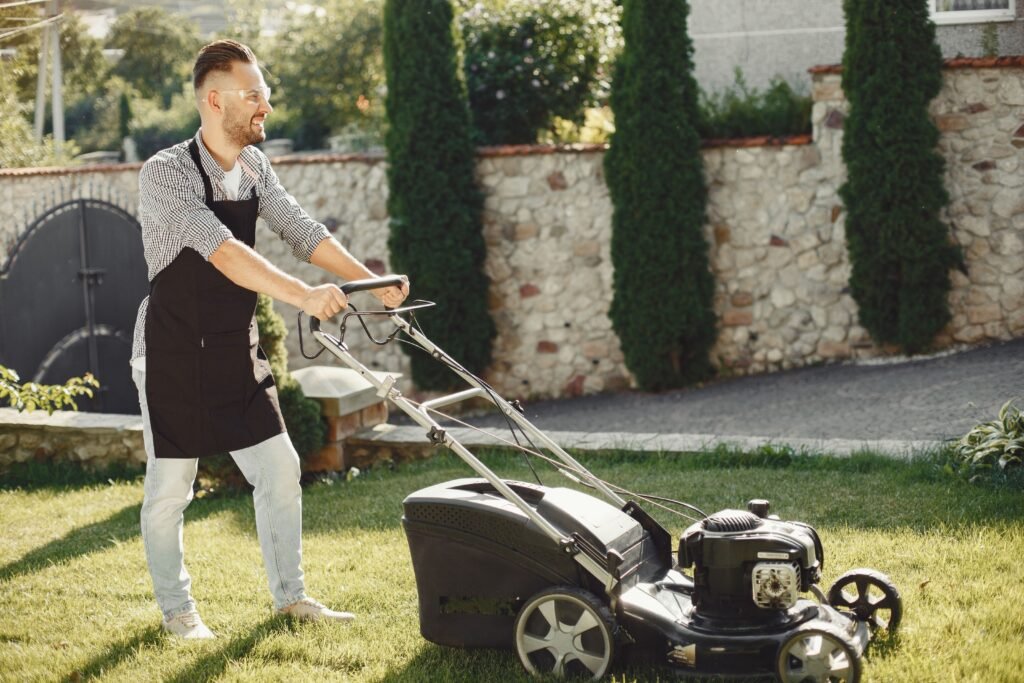
If you want a yard that looks good without weekend-long chores, these ideas cut mowing, watering and weeding.
6. Replace Part of the Lawn With Ground Cover
Cost: $100 to $900 | Difficulty: Medium
Lawns need mowing, feeding and water. Low-growing ground covers such as creeping thyme, clover or sedum fill space with little care. Replace the hardest-to-mow patches first, such as strips along fences or under trees, and keep a small lawn only where you really use it.
7. Use Gravel or Decomposed Granite
Cost: $1 to $4 per sq ft (DIY) | Difficulty: Easy to Medium
Gravel and decomposed granite are affordable, drain well and need almost no upkeep. Lay a compacted base, add landscape fabric, edge the area and top with 2 to 3 inches of stone. They suit paths, seating areas and fire pit surrounds. Rake occasionally and top up every few years.
8. Plant Native Perennial Borders
Cost: $150 to $1,000 | Difficulty: Medium
Native plants are adapted to local soil and rainfall, so they typically need less water, fertilizer and pest control. Ask a local nursery or extension office for a native list. backyard landscaping ideas Plant in groups of three or five of the same plant for a natural, intentional look, and choose varieties that bloom in different seasons.
9. Add Drip Irrigation and Mulch
Cost: $100 to $500 (DIY kit) | Difficulty: Medium
Drip lines deliver water to roots, which wastes less than sprinklers. Covering beds with 2 to 3 inches of mulch keeps soil moist, suppresses weeds and protects roots from temperature swings. Together they can cut watering time a lot and make beds nearly self-sufficient.
Budget Backyard Landscaping Ideas
A great yard is not always expensive. These budget backyard landscaping ideas deliver high impact for modest money.
10. Refresh Beds With Edging and Mulch
Cost: $50 to $300 | Difficulty: Easy
Crisp edges and fresh mulch make an old yard look cared for almost instantly. Cut a clean edge with a spade, add steel, brick or stone edging if you like, and cover soil with mulch. It is the cheapest before-and-after change you can make.
11. Make Stepping-Stone Paths
Cost: $50 to $400 | Difficulty: Easy
Set flat stones or poured concrete stepping stones in grass or gravel. Space them about a stride apart, roughly 24 inches center to center. They guide movement, protect lawn from foot traffic and cost far less than a continuous paved path.
12. Light the Yard With Solar and String Lights
Cost: $30 to $250 | Difficulty: Easy
Lighting extends the hours you can enjoy the yard. Use string lights for a cozy canopy, solar stake lights along paths for safety, and a few uplights on a favorite tree for drama. Warm white bulbs (around 2700K) feel inviting.
13. Grow From Seed and Divide Plants
Cost: $5 to $60 | Difficulty: Easy
Seeds are a fraction of the price of nursery plants, and many perennials can be divided every few years to make free plants. Swap cuttings with neighbors. Annuals such as zinnias, cosmos and marigolds fill gaps quickly and cheaply.
Backyard Landscaping Ideas for Privacy
Privacy is one of the top reasons people redo their yards, and it is often skipped in generic lists. Choose the right method for your space and timeline.
14. Plant a Layered Hedge or Screen
Cost: $300 to $2,000 | Difficulty: Medium
Combine evergreens for year-round cover with flowering shrubs and a few ornamental grasses in front. Layering looks more natural than a single flat row and gives birds shelter. Check the mature width on the plant tag and space accordingly so plants do not crowd each other.
15. Add a Pergola With Climbing Plants
Cost: $800 to $6,000 | Difficulty: Medium to Pro
A pergola creates a roof-like feeling that blocks views from neighbors’ upper windows. Train wisteria, grapevines or jasmine over it (choose varieties suited to your climate). Slatted or louvered roofs give shade while keeping airflow.
16. Use Slatted Screens and Planter Walls
Cost: $200 to $1,500 | Difficulty: Easy to Medium
If you need privacy fast, panels or tall planters give instant cover while plants mature. Horizontal slat screens look modern, and tall planters with bamboo (clumping types only) or ornamental grasses form a soft barrier you can move later.
Backyard Landscaping Ideas for Sloped Yards
Slopes look challenging, but they give you built-in drama and options flat yards lack.
17. Terrace With Retaining Walls
Cost: $25 to $60 per sq ft of wall face (professional) | Difficulty: Pro
Terraces turn a hillside into level planting beds or seating shelves. Walls over about 3 to 4 feet often need engineering and permits, so check local rules. Stone, concrete block and timber all work, and wall tops can double as informal seating.
18. Build Steps and a Switchback Path
Cost: $300 to $3,000 | Difficulty: Medium to Pro
A path that zigzags across a slope is gentler to walk than a straight line and adds visual interest. Use railroad ties, stone treads or gravel steps. Keep risers consistent (about 6 to 7 inches) and add lighting for safety.
19. Create a Rain Garden or Swale
Cost: $200 to $1,500 | Difficulty: Medium
A shallow planted basin at the low point of your yard slows runoff and soaks it into the soil. Use plants that tolerate both wet and dry spells. It reduces erosion and puddling, and it supports pollinators.
Backyard Landscaping Ideas for Entertaining
If you host often, plan for flow: enough room to move, food prep near the kitchen door, and quieter nooks farther away.
20. Install a Patio With Pavers
Cost: $10 to $30 per sq ft installed | Difficulty: Medium to Pro
Pavers are durable and repairable, and they come in many colors and patterns. A properly compacted gravel base is what keeps them level. For a softer look, leave gaps and plant low ground cover or moss between pavers. Size the patio for the furniture plus a walkway margin.
21. Add a Fire Pit or Fire Table
Cost: $150 to $2,500 | Difficulty: Easy to Medium
A fire feature becomes the natural gathering spot and keeps the yard useful into fall. Wood-burning pits are cheapest, while gas tables are cleaner and easier to start. Keep a safe distance from structures and overhanging branches, and check local fire regulations.
22. Design Curved Pathways
Cost: $200 to $2,500 | Difficulty: Easy to Pro
A gentle curve slows people down and hides what is around the bend, which makes yards feel bigger. Keep main paths at least 36 inches wide so two people can walk comfortably, and 18 to 24 inches for secondary garden paths.
23. Create an Outdoor Dining Nook or Kitchen
Cost: $300 to $10,000+ | Difficulty: Easy to Pro
This can be as simple as a grill and a prep table, or a full outdoor kitchen with built-in counters. Place it close to the house to reduce trips for food and drinks. If you add gas or electricity, hire a licensed professional.
Water and Wildlife Ideas
24. Add a Water Feature
Cost: $50 to $5,000 | Difficulty: Easy to Pro
Moving water adds calm and masks street noise. Tabletop fountains and birdbaths suit tiny yards, while a pondless waterfall or small pond suits larger spaces. Use a pump and keep water circulating to limit mosquitoes.
25. Plant for Pollinators
Cost: $100 to $800 | Difficulty: Easy to Medium
Choose flowers that bloom in succession from spring to fall: bee balm, coneflower, salvia, asters and milkweed (where native). Include a shallow water source and leave some stems standing over winter for insects. A pollinator bed brings movement and color to the yard and supports local wildlife.
Best Plants for Backyard Landscaping
Here is a starter palette. Always check hardiness zone and local advice before buying, since plant performance varies by region.
| Plant | Type | Sun | Mature Size | Maintenance | Why Use It |
|---|---|---|---|---|---|
| Coneflower (Echinacea) | Perennial | Full sun | 2 to 4 ft | Low | Long bloom, pollinator magnet |
| Hydrangea (varies by type) | Shrub | Part sun/shade | 3 to 8 ft | Medium | Big blooms, privacy |
| Ornamental grasses (e.g. switchgrass) | Grass | Full sun | 3 to 6 ft | Low | Movement, winter structure |
| Boxwood or similar evergreen | Shrub | Sun to part shade | 2 to 6 ft | Medium | Year-round structure |
| Hostas | Perennial | Shade | 1 to 3 ft | Low | Easy shade fillers |
| Lavender | Perennial | Full sun | 1 to 3 ft | Low | Fragrance, dry climates |
| Creeping thyme | Ground cover | Full sun | 2 to 4 in | Low | Lawn alternative, between pavers |
| Serviceberry (Amelanchier) | Small tree | Sun to part shade | 15 to 25 ft | Low | Spring flowers, fruit, fall color |
How Much Does Backyard Landscaping Cost?
Costs depend heavily on location, labor rates and materials. Use these as planning ranges, then get at least two or three local quotes.
| Project | DIY Cost | Professional Cost | Best For |
|---|---|---|---|
| Mulch and edging refresh | $50 to $300 | $300 to $1,000 | Quick curb-appeal boost |
| Gravel path or seating area | $1 to $4 per sq ft | $4 to $10 per sq ft | Low maintenance, drainage |
| Paver patio | $6 to $15 per sq ft | $10 to $30 per sq ft | Long-lasting entertaining space |
| Hedge or privacy planting | $300 to $1,500 | $800 to $4,000 | Year-round privacy |
| Pergola | $800 to $3,000 | $2,000 to $8,000 | Shade and structure |
| Retaining wall | Not recommended for tall walls | $25 to $60 per sq ft | Slopes and terracing |
| Fire pit | $150 to $800 | $800 to $2,500 | Gathering space |
| Full design plan (professional) | N/A | Often $500 to $5,000+ | Larger projects and permits |
Money-saving tips: Phase the work, buy plants in smaller sizes (they establish quickly), shop end-of-season sales, reuse existing stone or pavers, and do your own planting even if you hire out hardscaping.
Backyard Landscaping Ideas by Climate
Most popular lists are written for one type of climate. Match your choices to where you live.
Hot and dry climates: Use gravel, drought-tolerant plants (agave, lavender, salvia, native grasses), shade structures and drip irrigation. Light-colored paving reflects heat, and a shaded seating area makes the yard usable in summer.
Cold climates: Choose hardy perennials and evergreens for winter structure. Leave seed heads and grasses standing for winter interest, and pick pavers or gravel that handle freeze-thaw cycles well. Avoid planting tender species outside their zone.
Humid climates: Prioritize airflow, drainage and mildew-resistant plants. Raised beds and gravel help with soggy soil, and covered seating gives rain protection.
Shady yards: Use hostas, ferns, hellebores, astilbe and ground covers like sweet woodruff. Light-colored paving, mirrors and bright pots lift dark corners.
Common Backyard Landscaping Mistakes to Avoid
- Doing everything at once. It leads to a scattered result and overspending. Pick one area and finish it.
- Ignoring mature plant size. A tiny shrub from the nursery can outgrow its spot in a few years.
- Skipping the base for hardscape. Poor compaction causes sinking pavers and cracked patios.
- Forgetting drainage. Water should flow away from the house and not collect on patios.
- Using too many materials. Stick to two or three hardscape materials for a cohesive look.
- Overlooking lighting. A yard without lights is unusable after dark and less safe.
- Planting in a single row. Layers and groups look more natural than straight lines.
- Not planning for maintenance. Be honest about how much time you will spend, and choose plants and surfaces accordingly.
FAQs About Backyard Landscaping Ideas
What is the cheapest way to landscape a backyard?
Start with cleanup, edging and mulch, then add inexpensive plants grown from seed or divided from existing ones. Gravel paths and stepping stones cost much less than paving, and solar lights add ambiance cheaply.
How do I landscape a small backyard?
Divide it into zones, grow upward with trellises and wall planters, choose furniture in proportion to the space, and use containers. Limit the number of materials and colors so the yard feels calm and larger.
What are the best low-maintenance backyard landscaping ideas?
Replace lawn with ground cover or gravel, plant natives, mulch beds, and install drip irrigation. Choose slow-growing shrubs and perennials that do not need frequent division or pruning.
Where should I start with backyard landscaping?
Begin with a simple plan: measure, check sun patterns, list how you will use the space and set a budget. Then do hardscape first, large plants second and small plants and decor last.
How do I get privacy in my backyard quickly?
Use a slatted screen or tall planters for instant cover, then plant a layered hedge that grows in over a few seasons. A pergola with climbing plants can also block views from above.
Final Thoughts
Great backyard landscaping ideas share the same ingredients: a clear plan, zones that fit how you live, plants suited to your light and climate, and a pace you can sustain. Start with the project that solves your biggest problem, whether that is privacy, shade, a bare patch or a slope, and build from there. A yard grows into its best form over time, so enjoy each phase.
