How to Decorate a Hallway: A Step-by-Step Guide With Best Ideas for Every Size, Budget and Style


The hallway is the part of the home we walk through every day and rarely think about. It is where guests form their first impression, where shoes, bags and coats pile up, and where a lot of homes quietly give up on style. Yet a hallway can be one of the most rewarding spaces to decorate, because small changes make a big difference and the budget is usually modest.
The problem with most hallway advice is that it is a long list of pretty pictures. You scroll through forty ideas and still do not know where to start, whether the ideas will fit your narrow corridor, or what to buy first. This guide is different. It shows you how to decorate a hallway in the right order, with real measurements, practical rules and a plan for each type of hallway: small, narrow, dark, long, wide and busy family hallways. You will also find budget tiers, renter-friendly options and the common mistakes that make hallways look cluttered or feel cramped.
How to Decorate a Hallway in 8 Steps
- Assess the space. Measure the width and length, note the natural light, and list what you need to store.
- Fix the basics first. Repair marks, choose washable paint and decide on flooring.
- Choose a colour plan. Light and warm for dark halls, a bolder shade if the hallway is short and bright.
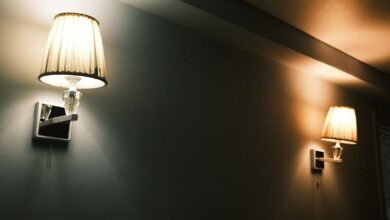
- Layer the lighting. Combine a main ceiling light, wall lights and a small lamp or accent light.
- Add a runner or rug that suits the width, with a non-slip pad underneath.
- Add storage for shoes, coats, bags and keys before adding decoration.
- Hang mirrors and art at the right height and keep the walls balanced.
- Finish with details such as plants, a bowl for keys, a small stool or a scent, and edit until nothing feels crowded.
The sections below explain each step in detail.
Step 1: How to Plan Your Hallway Before Decorating

Most hallway disasters come from skipping the planning. A beautiful console table that is too deep, how to decorate a hallway or a mirror that is hung too high, ruins the space. Spend ten minutes on these checks first.
Measure the Width, Length and Door Clearances
- Width: Measure at the narrowest point, including any radiators, skirting boards or door frames. Many homes have hallways around 90 to 100 cm (35 to 40 inches) wide, and that is tight. Try to keep a clear walking path of at least 90 cm (36 inches) so people can pass comfortably with bags.
- Length: Note how long the hallway is, because long corridors benefit from rhythm: repeating lights, art or a runner.
- Door swings: Check which way each door opens. A console table or bench in the path of an opening door will be bumped every day.
- Ceiling height: A low ceiling needs lighter colours and slim fixtures. A high ceiling can handle a pendant, a tall mirror or stacked art.
Check Light, Traffic and Storage Needs
- Natural light: Does the hallway have a window, a glass door panel or a fanlight? If not, it is a dark hallway and the lighting plan matters most.
- Traffic: A family hallway with children, how to decorate a hallway pets and wet shoes needs tougher finishes than a quiet apartment entry.
- What lives here: List everything that ends up in the hallway: shoes, school bags, umbrellas, keys, mail, prams, bicycles. Storage should be designed for these, not added as an afterthought.
- Style of the rest of the home: The hallway connects all the rooms, so its colours and materials should link to them rather than fight them.
Take a Photo and Sketch It
Stand at each end and take a photo, then sketch a simple plan with measurements. how to decorate a hallway A quick drawing helps you test where furniture, lights and hooks will go before you buy anything.
Hallway Makeover Plan by Space Type
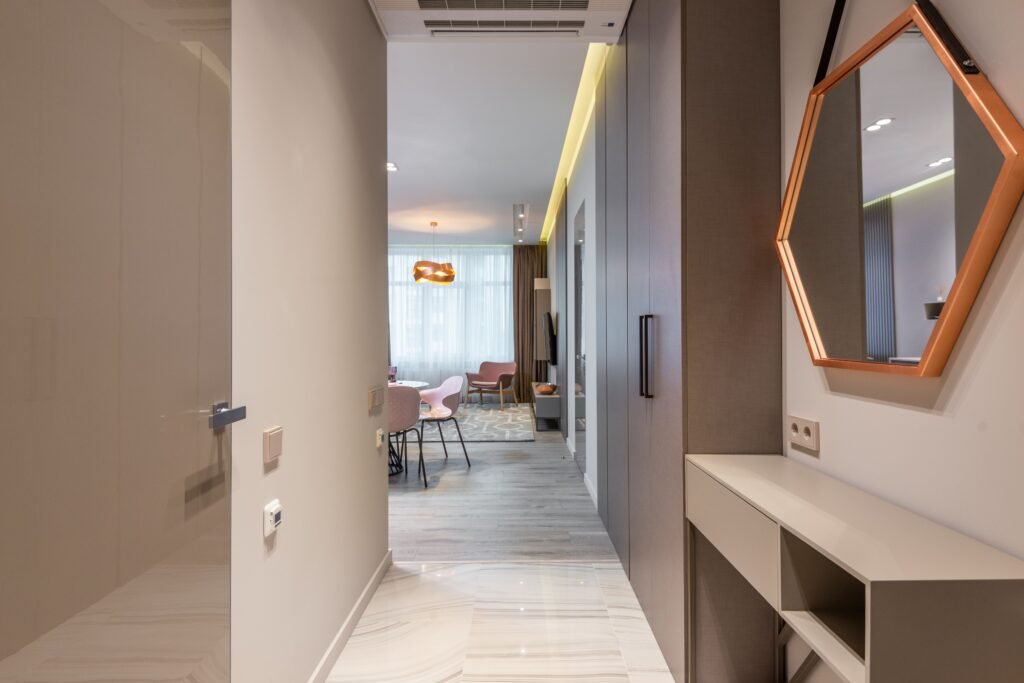
Different hallways need different solutions. Find yours below and use it as your shortcut.
| Hallway type | Main problem | Best moves |
|---|---|---|
| Small apartment hallway | Not enough space | Wall-mounted hooks, a slim shoe cabinet, a large mirror, light paint |
| Long narrow corridor | Feels like a tunnel | A runner, repeated wall lights, art in a consistent row, a bright end wall |
| Dark windowless hallway | No daylight | Layered warm lighting, how to decorate a hallway light reflective paint, mirrors opposite a light source |
| Wide entrance hall | Feels empty | A console or bench, a larger rug, a statement light, a gallery wall |
| Busy family hallway | Clutter and wear | Washable paint, hooks at two heights, closed storage, a durable runner |
| Open-plan entrance | No clear boundary | A rug to define the zone, a console, a mirror, a bench with storage |
How to Decorate a Small or Narrow Hallway
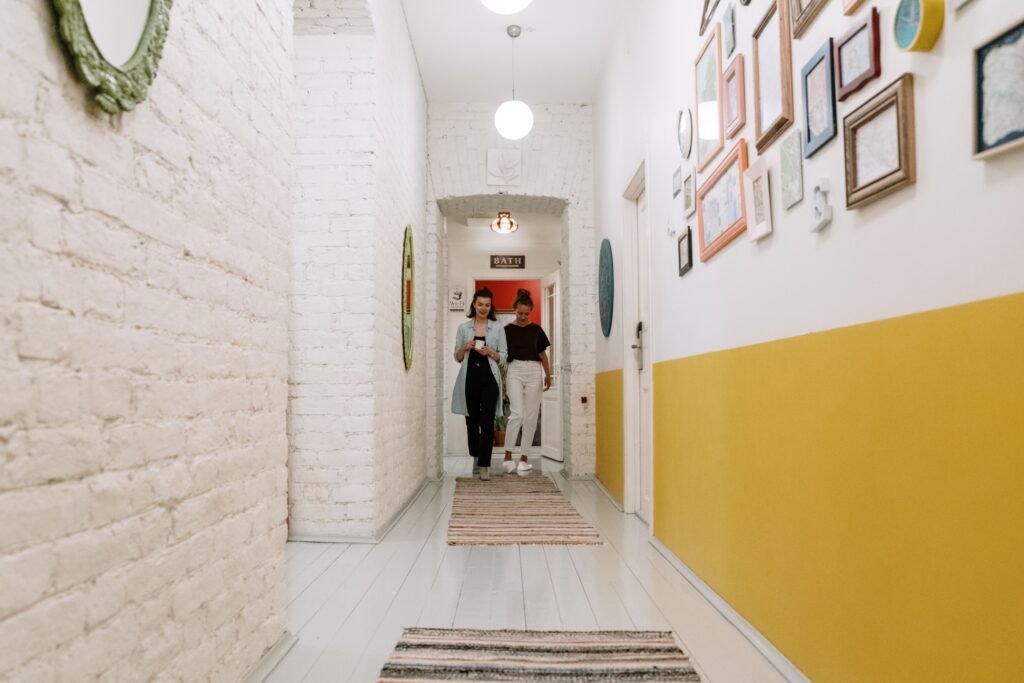
In a narrow hallway, every centimetre counts, so the rules are about keeping the walkway clear and drawing the eye upward and along the space.
Choose Slim Furniture and Vertical Storage
- Keep furniture shallow. In a narrow hallway, aim for pieces 20 to 30 cm (8 to 12 inches) deep. A standard console is often too deep.
- Go vertical. Use tall, slim shelves, how to decorate a hallway wall-mounted cabinets and a row of hooks. This keeps the floor clear.
- Use one side only. Put furniture on one wall and leave the other wall open for the walkway.
- Choose furniture with visible legs. Raised pieces let you see the floor underneath, which makes the hallway feel bigger.
Use Mirrors and Light Colours Carefully
Mirrors can double the sense of light and depth. how to decorate a hallway Place one opposite or beside a window or light source, not directly facing clutter or a blank wall. A tall, narrow mirror makes the ceiling feel higher, while a wide mirror above a console suits a longer wall.
Light colours help, but a hallway does not have to be white. Soft warm neutrals, pale greens, gentle blues and pale greys all work. Painting the ceiling the same pale tone as the walls, or slightly lighter, how to decorate a hallway can make a narrow space feel taller.
Avoid Overcrowding
In small hallways, restraint is the most stylish choice. how to decorate a hallway Pick two or three items that matter, such as a mirror, a hook rail and a slim shelf, and leave the rest of the wall empty.
Choose the Right Hallway Colour Scheme
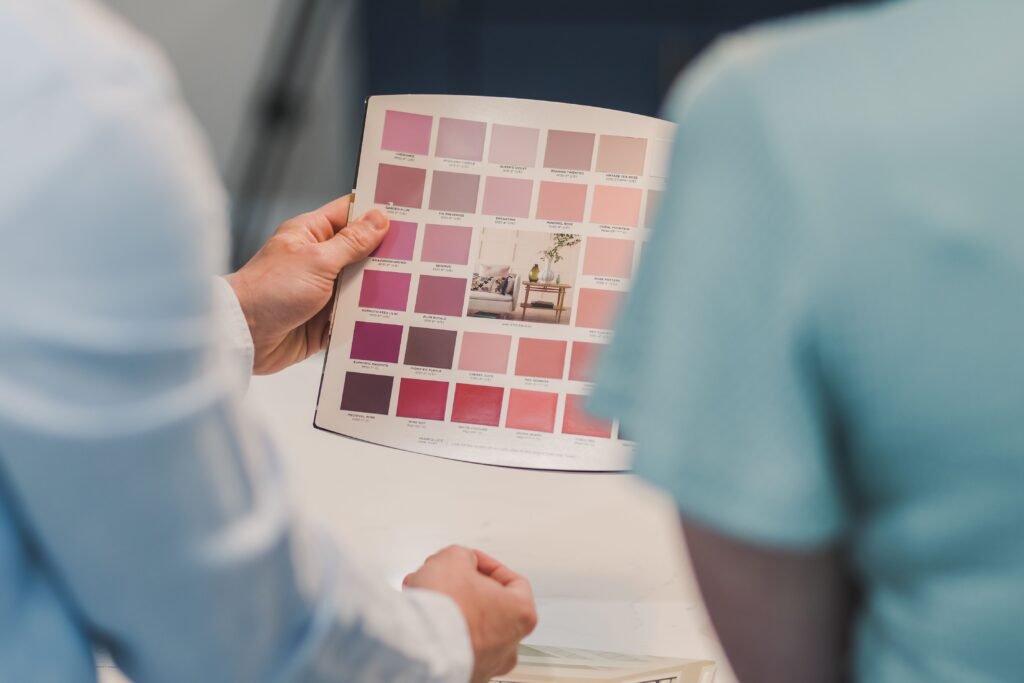
Colour sets the mood of the hallway, and because it is a transition space, you can be braver than in a living room.
Best Colours for Dark Hallways
If your hallway gets little daylight, how to decorate a hallway avoid very dark shades unless you are deliberately going for a cosy, dramatic look. Better choices are:
- Warm whites and creams that reflect light without feeling cold
- Soft greige and light taupe
- Pale yellows, apricots or blush tones that add warmth
- Light sage and soft blue-greens that feel fresh
Bold Colours That Work in Hallways
Because people pass through quickly, a hallway can handle a stronger colour than a bedroom. how to decorate a hallway Deep green, navy, terracotta and rich plum can look rich and welcoming, especially in a short hall with good lighting. Dark colours work best when you add layered lighting and bright accents such as brass, white trim or a pale runner.
Practical Paint Tips
- Choose a washable finish. Eggshell, satin or a scrubbable matt is better than a flat matt in a high-traffic space.
- Protect the lower wall. Wainscoting, panelling, or a darker lower half can hide scuffs.
- Paint the doors and trim. Keeping doors, skirting boards and frames in one colour often makes a narrow hallway look neater.
- Test samples. Paint large swatches on two walls and check them in the morning and evening.
- Consider a two-tone effect. A paler upper wall and deeper lower wall, or a painted stripe, can add interest without extra furniture.
Hallway Lighting Ideas for Dark Spaces
Lighting is the most common weak point in hallways. One central bulb makes a space look flat and shadowy. The solution is to build layers.
The Three Layers of Hallway Lighting
- General lighting: the main ceiling light. In a long hallway, use several recessed lights or a row of flush fittings rather than a single central one.
- Accent lighting: wall lights or picture lights that highlight art, a mirror or a textured wall.
- Task or decorative lighting: a small table lamp on a console, or a lamp near a bench for reading mail and putting on shoes.
Practical Lighting Tips
- Choose warm bulbs, often labelled around 2700K to 3000K, for a welcoming glow. how to decorate a hallway Very cool white can look clinical.
- Use wall sconces in narrow spaces. They add light without taking floor space. Mount them at about 150 to 165 cm (60 to 65 inches) from the floor, around eye level.
- Mind the ceiling height for pendants. The bottom of a pendant should be at least about 210 cm (7 feet) above the floor in a walkway.
- Add a dimmer so the hallway can be bright in the morning and softer at night.
- Use motion sensors or low-level lights for night-time safety, especially near stairs.
- Use mirrors to bounce the light, but avoid placing them where they reflect a glare.
In a windowless hallway, it is worth spending more on lighting than on decoration. A well-lit simple hallway always looks better than a crowded, badly lit one.
Choose Flooring and a Practical Hallway Runner
The hallway floor takes more punishment than almost any other floor in the home, so choose it for durability first and looks second.
Best Flooring for Hallways
- Porcelain or ceramic tile: very durable, easy to clean and great for wet shoes, though it can be cold and hard underfoot.
- Engineered wood or good-quality laminate: warm and attractive, but check the water resistance and protect it near the door.
- Luxury vinyl: water-resistant, comfortable and budget-friendly, with many realistic finishes.
- Natural stone or patterned tile: a statement choice that works well in entrance halls.
- Carpet: soft and quiet, but harder to keep clean in a busy entry, so it suits upstairs landings more than front doors.
How to Choose a Hallway Runner
A runner softens the space, adds colour and guides the eye along the corridor. Follow these rules:
- Width: leave roughly 10 to 15 cm (4 to 6 inches) of visible floor on each side of the runner.
- Length: leave about 15 to 30 cm (6 to 12 inches) of floor at each end, or choose a runner that fills most of the length for a tailored look.
- Pile: choose a low pile so doors can open freely and it does not trip people.
- Material: wool blends and tightly woven synthetics are durable. how to decorate a hallway Washable runners are great for families and pets.
- Pattern: stripes and geometric patterns hide dirt and lengthen a short hallway. A plain runner keeps a busy hallway calm.
- Safety: always use a non-slip rug pad or grip tape. A sliding runner is a hazard, especially near stairs.
Hallway Wall Decor: Mirrors, Art and Gallery Walls
Once the basics are in, the walls are where you add personality. The key is to plan before you hammer.
Where to Hang Mirrors
- Hang a mirror so its centre is about 145 to 152 cm (57 to 60 inches) from the floor, roughly eye level.
- Place it above a console or bench so it feels anchored.
- Place it where it reflects light or a pleasant view, not a mess.
- Choose the shape to suit the space: round mirrors soften straight lines, and tall rectangles add height.
Art and Gallery Walls
- Hang art at eye level, with the centre around the same 145 to 152 cm height.
- Use a consistent theme such as black and white photos, matching frames or a restrained colour palette, so a narrow wall does not feel busy.
- Keep a gallery wall slim in a narrow hallway. Frames that stick out too far can catch bags and clothes. Choose flat frames or smaller pieces.
- Plan the layout on the floor first. Lay frames out on the floor or trace them on paper and tape them to the wall before drilling.
- Leave space around the arrangement so it breathes, and align it with furniture below.
Other Wall Ideas
- Wallpaper on one wall or the upper half adds personality without overwhelming the space.
- Panelling or wainscoting protects walls and adds architectural interest.
- A painted arch or stripe is a low-cost trick that works well in rentals if you use removable paint effects or peel-and-stick options.
- Picture ledges let you swap art easily without new holes.
- Pegboard or a rail with hooks adds style and function.
Smart Hallway Storage Ideas for Shoes, Coats and Bags
Storage is what makes a hallway work every day. Without it, even the prettiest decor is buried under clutter.
Shoes
- Slim shoe cabinets with tilting doors hold a lot in a depth of about 15 to 25 cm (6 to 10 inches).
- A bench with shoe storage gives seating and a place to hide pairs.
- Closed storage is better than open racks if you want a clean look, how to decorate a hallway because it hides the mess.
- In homes where shoes come off at the door, as in many South Asian homes, plan for ventilated storage and a washable mat, and consider a dust-resistant cabinet near the entrance.
Coats and Bags
- Hooks: mount adult hooks at about 150 to 165 cm (60 to 65 inches) and add a lower row for children at about 100 to 120 cm (40 to 48 inches).
- A hook rail looks neater than scattered single hooks.
- A shelf above the hooks holds hats and baskets.
- Wall-mounted cabinets hide bags and seasonal items.
Keys, Mail and Small Items
- A small tray or bowl on a console contains keys and wallets.
- A wall organizer or slim mail holder prevents paper piles.
- A charging shelf or small drawer can keep daily essentials in one place.
Combine Storage and Seating
A bench with a lift-up seat, a storage ottoman or a console with baskets underneath combines function and style. how to decorate a hallway Choose baskets with lids or fabric liners to keep clutter out of sight.
Choose Hallway Furniture That Fits the Space
Furniture should help the hallway work, not block it.
- Console table: The classic choice. In a narrow hallway choose a depth of about 20 to 30 cm (8 to 12 inches), and in a wider entry hall up to about 40 cm (16 inches).
- Bench or stool: A seat height around 43 to 48 cm (17 to 19 inches) is comfortable for putting on shoes.
- Shelving or a slim bookcase: Good for books, how to decorate a hallway baskets and decorative objects.
- Hall tree or coat stand: A convenient all-in-one choice, but avoid very bulky pieces in narrow halls.
- Wall-mounted shelves: Floating shelves and fold-down tables save floor space.
- Keep proportions in mind. A tall piece next to a low ceiling or a very long piece in a short wall will feel awkward.
If you are unsure, mark the furniture footprint on the floor with painter’s tape and walk through the space for a day. If it feels tight, size down.
Add Plants and Personal Details
Once the practical parts are done, add the details that make the hallway feel like yours.
- Plants: Choose low-maintenance options that handle low light, such as snake plants, ZZ plants, pothos or peace lilies. Realistic faux plants also work when there is no light at all.
- A plant on a shelf or hanging planter keeps the floor clear.
- A statement object: A sculptural lamp, how to decorate a hallway a vase or a ceramic bowl adds interest to a console.
- Scent: A subtle diffuser or candle makes the entrance feel welcoming. Choose safe placements away from edges and children.
- Textiles: A cushion on a bench or a woven basket adds warmth.
- Seasonal touches: Change a wreath, flowers or a bowl of fruit to keep the space fresh.
The rule of thumb is to edit: place three to five meaningful items, then stop. A hallway should feel calm.
Budget-Friendly Hallway Decorating Ideas (By Budget Tier)
You do not need to spend a lot to see a change. Here is a sensible order.
Low Budget (Mostly Free to Small Spend)
- Declutter and clear everything that does not belong.
- Repaint the walls or just the trim and doors.
- Swap old bulbs for warm, bright ones.
- Hang a mirror you already own.
- Add a plant and a tray for keys.
- Rearrange art you already have into a grouped layout.
Medium Budget
- Add a runner with a non-slip pad.
- Install a hook rail and a slim shoe cabinet.
- Add wall sconces or plug-in lights.
- Buy a good-sized mirror and a console or bench.
- Hang a small gallery wall with simple frames.
Higher Budget
- Replace the flooring with tile or durable engineered wood.
- Add panelling or wainscoting.
- Install custom built-in storage or a fitted bench.
- Add a statement pendant or hardwired wall lights.
- Install new doors with glass panels to bring in light.
Renter-Friendly Hallway Ideas
If you cannot change the walls or floor:
- Use peel-and-stick wallpaper or removable decals.
- Use plug-in wall sconces and rechargeable lights.
- Use adhesive hooks and picture strips where permitted.
- Use freestanding furniture instead of fixed shelves.
- Use a runner with a good non-slip pad to cover worn flooring.
- Use lean-on mirrors that do not need drilling.
- Keep removable curtains or screens to hide open storage if needed.
Hallway Style Ideas: Choose a Look That Fits Your Home
Once you know the practical plan, choose a style so decisions are easier.
- Modern and minimal: Clean lines, a neutral palette, a slim console, one large mirror and one piece of art.
- Warm and traditional: Panelling, a patterned runner, wooden furniture, framed prints and brass lighting.
- Scandinavian: Pale walls, light wood, simple hooks, how to decorate a hallway woven baskets and plants.
- Rustic or farmhouse: A wooden bench, woven baskets, vintage mirrors and warm tones.
- Bold and dramatic: Deep wall colour, statement wallpaper, a gallery wall and sculptural lighting.
- Eclectic: A mix of patterns, vintage finds and layered art with a unifying colour thread.
Whatever you pick, keep one or two colours repeating through the hallway so it feels cohesive.
Common Hallway Decorating Mistakes to Avoid
- Choosing furniture that is too deep, which leaves no walking space.
- Relying on a single ceiling light, which makes the space flat and shadowy.
- Using a rug without a non-slip pad, which is a safety risk.
- Hanging art or mirrors too high. Aim for eye level.
- Ignoring door swings and clearances.
- Painting with a finish that is hard to clean.
- Adding too many small decorative items, which look like clutter.
- Forgetting storage, so everyday items end up on the floor.
- Using strongly cool white bulbs, which can feel harsh.
- Picking decor before fixing the basics, such as lighting, flooring and paint.
- Choosing a style that does not connect with the rest of the home.
Hallway Decorating Checklist (Save or Print)
- Measure width, length and door swings.
- Keep a clear path of about 90 cm (36 inches).
- Fix and paint with a washable finish.
- Plan layered lighting and use warm bulbs.
- Choose durable flooring and a runner with a non-slip pad.
- Install hooks, a shoe cabinet and a place for keys.
- Add furniture that is the right depth for your space.
- Hang mirrors and art at eye level.
- Add one or two plants and a few personal items.
- Step back, edit, and remove anything that feels crowded.
Frequently Asked Questions About Decorating a Hallway
How can I make a narrow hallway look wider?
Use light, warm colours, a mirror opposite or beside a light source, slim furniture on one side only, and layered lighting. A runner with horizontal stripes can add a sense of width, and keeping the floor and walls free of clutter helps most.
What colours make a hallway look bigger?
Light, warm neutrals such as cream, soft greige, pale sage and soft blue-grey reflect light and make a hallway feel more open. Painting the trim, doors and ceiling in related light tones keeps the eye moving.
How do you decorate a hallway with no windows?
Focus on lighting first. Combine ceiling lights with wall sconces and a lamp, use warm bulbs, and choose light reflective paint. Add mirrors to bounce light, and consider glass-panelled doors if you can change them. Plants that tolerate low light or good faux plants can add life.
What should you put on a hallway wall?
A low-pile runner in a durable, easy-to-clean material such as wool blend or washable synthetic is best. Make sure it has a non-slip pad, leaves a margin of floor on each side, and does not block doors.
How can I decorate a hallway on a small budget?
Start with decluttering, paint and better bulbs. Add a mirror, a plant and a tray for keys. Then add a runner, a hook rail and simple frames as your budget allows.
What is the best rug for a hallway?
Layered lighting with warm bulbs works best: ceiling lights for general use, wall lights for accent, and a lamp for a cosy finish. Add a dimmer for flexibility.
Final Thoughts: Start With the Plan, Then Add the Style
Learning how to decorate a hallway is less about buying beautiful things and more about getting the order right. Measure the space, fix the lighting, choose durable surfaces, add storage that fits real life, and only then add the mirrors, art and plants that give it character. A hallway that works well looks better, because nothing is fighting for space.
Whether your hallway is a tiny apartment corridor, a long dark passage or a grand entrance, the same approach applies: keep a clear path, use light and warm colours wisely, layer the lighting, and edit until it feels calm. Start with one change this weekend, such as better bulbs or a mirror, and build from there.