Traffic outside the window, voices through the wall, footsteps from upstairs, and the hum of household equipment can wreck your sleep, your focus, and your patience. If you are searching for how to soundproof a room, the good news is that you have more options than you think, from a five-minute door seal to a full wall rebuild.
The less comfortable news: no single product makes a room silent. Learning how to make a room soundproof means finding where the noise travels, then combining methods that add mass, seal gaps, damp vibration, and separate structures. how to soundproof a room A thick curtain may help with window noise. A door seal can stop sound leaking through a gap. A serious shared-wall problem may need real construction.
This guide explains 11 practical ways to soundproof a room, how each one works, how effective it is likely to be, and what it costs in plain terms. You will also find advice for walls, bedrooms, offices, apartments, and recording spaces.
How Soundproofing Works
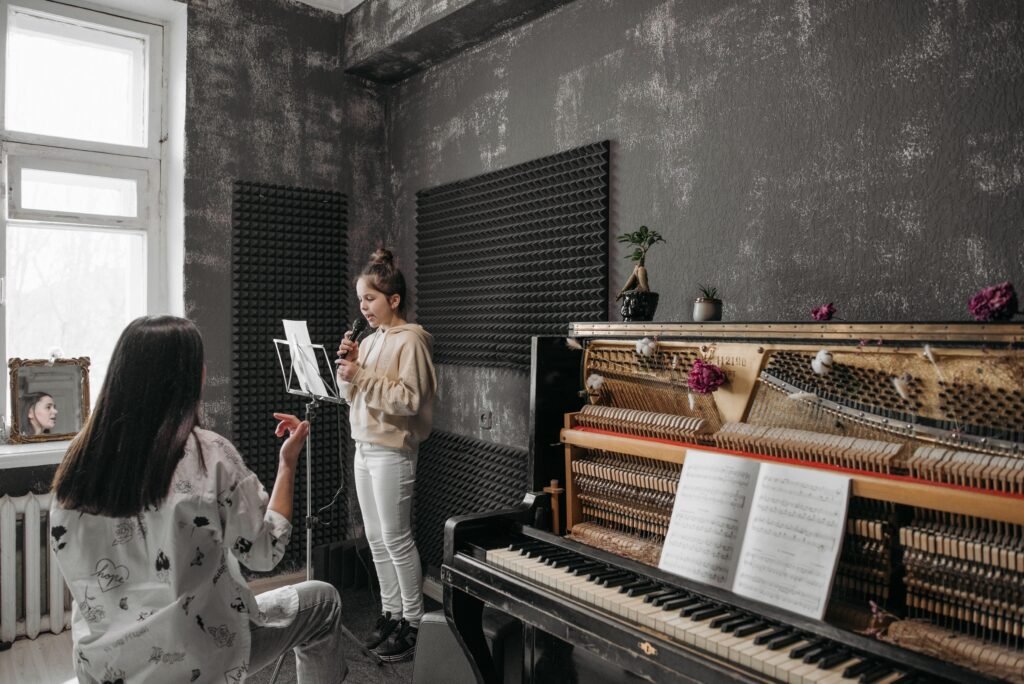
Before buying anything, it helps to understand what you are actually trying to do. how to soundproof a room Plenty of people buy acoustic foam or decorative panels expecting them to block the neighbours. Those products have a job, but it is not that one.
Soundproofing vs Sound Absorption
Soundproofing reduces the sound that passes between spaces. It uses mass, sealing, damping, and separation. Sound absorption reduces reflections inside a room using soft or porous materials such as rugs, curtains, and acoustic panels.
Foam on a wall can make a room less echoey. how to soundproof a room It rarely stops a neighbour’s television coming through a shared wall. The two jobs are related, but they need different materials.
Airborne Noise vs Impact Noise
Most household noise falls into two groups:
- Airborne noise travels through the air: voices, television, music, traffic, barking dogs.
- Impact noise starts when something hits or moves against the structure: footsteps, dragged furniture, slammed doors, dropped objects.
Airborne problems usually call for better sealing, how to soundproof a room heavier construction, and improved wall or window assemblies. Impact problems often need resilient floor or ceiling systems that reduce vibration.
The Four Principles
To sound insulate a room properly, most systems rely on some mix of these:
- Mass: denser construction is harder for sound to pass through.
- Damping: special materials reduce vibration inside panels.
- Decoupling: separating connected layers interrupts the vibration path.
- Sealing: closing air gaps stops sound leaking through openings.
A good project often uses all four. The right mix depends on the building, the noise source, and your budget.
How to Soundproof a Room: 11 Effective Methods
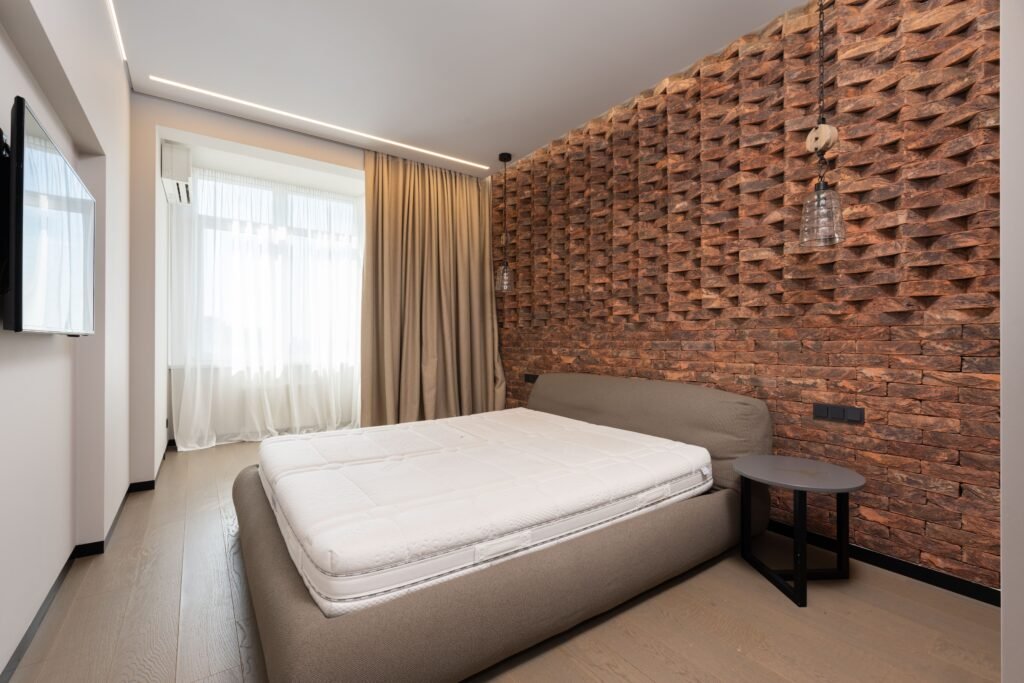
These methods run from simple furniture changes to professional building work. how to soundproof a room Some stop sound getting through. Others mainly improve how the room sounds inside.
1. Move Heavy Furniture Against Noisy Walls
The easiest place to start is with what you already own. A full bookcase, wardrobe, or large storage unit against a noisy wall adds another layer between you and the source.
- Find the wall where the noise is most obvious.
- Place a heavy bookcase or wardrobe against it.
- Fill the shelves with books, since weight matters.
- Secure tall furniture and leave room for sockets and ventilation.
Effectiveness: low to moderate. Cost: low if you already own suitable furniture. Limitation: furniture will not fix loud traffic, machinery, or strong vibrations, and it is no substitute for a properly built wall.
2. Add Soft Furnishings to Deaden Sound in a Room
Hard surfaces bounce sound around. A room with bare floors, big windows, and little furniture can sound sharp and echoey. how to soundproof a room If you want to know how to deaden sound in a room, soft materials are the answer.
Useful additions include thick rugs with underlay, upholstered chairs and sofas, cushions, heavy blankets, and fabric-covered furniture. how to soundproof a room They help with how to absorb sound in a room, making speech clearer and everyday noise softer.
Effectiveness: low for blocking sound between rooms, moderate to high for echo. Cost: low to medium. Limitation: soft furnishings improve internal acoustics. They do not replace wall insulation.
3. Install Soundproof Curtains
Windows are weak points. Thin glass, poor frames, and small gaps let outside noise in. Heavy curtains add a layer over the window, how to soundproof a room and specialist acoustic curtains use dense, layered fabric for better results.
Measure the full window, choose heavy curtains with generous coverage, fit a strong rail, and let the fabric extend beyond the frame. Floor-length panels usually cover more than short ones.
Effectiveness: low to moderate. Cost: medium. Limitation: curtains cannot fix thin or badly sealed windows. If traffic noise stays loud, secondary glazing or upgraded acoustic windows work better.
4. Fit Acoustic Panels and Ceiling Baffles
Acoustic sound absorption panels and ceiling baffles are for echo. They are common in home studios, meeting rooms, and acoustic panels for a home office, where clear speech matters on calls.
Wall panels go at reflection points. Baffles hang from the ceiling in larger spaces. Cover suitable areas properly instead of scattering a few small tiles, how to soundproof a room and follow the maker’s mounting and fire-safety instructions.
Effectiveness: high for echo control, low for blocking noise through a wall. Cost: medium to high. Limitation: panels do not add the mass or separation needed for sound isolation.
Here’s the thing: buying more foam is not always the answer. how to soundproof a room If a neighbour’s television comes through a shared wall, you have a transmission problem, not an echo problem.
5. Use Noise Barrier Mats and Floor Underlays
Dense barrier mats and acoustic underlays reduce sound transmission in suitable floor, wall, or ceiling assemblies. They matter most when footsteps and movement disturb the room below.
Options include acoustic rubber underlay, dense barrier mats, impact-noise underlays, resilient flooring layers, and acoustic carpet underlay. how to soundproof a room The underlay normally sits beneath the finished floor and must suit the flooring system.
Effectiveness: variable. A properly designed floor system can cut impact noise, but a loose mat on top of an existing floor may do little. Cost: medium. Limitation: floor height, door clearance, and moisture can complicate installation, and some products target impact noise rather than airborne sound.
6. Seal Gaps Around and Under Doors
A gap under a door gives sound a direct path. This is why a bedroom or home office can feel so exposed even when the walls are decent. Sealing is one of the cheapest, most practical upgrades, and it is the first step in how to soundproof a bedroom door or any interior door.
Use door sweeps, automatic door bottoms, door seals, weatherstripping around the frame, and properly fitted thresholds. how to soundproof a room Then check that the door still opens and closes smoothly. An automatic door bottom lowers a seal when the door closes and lifts it when it opens, so it will not scrape the floor.
Effectiveness: moderate at the gaps, especially if the door is reasonably solid. Cost: low to medium. Limitation: a hollow or lightweight door will still let sound through, so replacing it with a heavier door may help.
7. Install Acoustic Plasterboard
An extra layer of plasterboard adds mass to a wall and can improve resistance to airborne sound. Specialist acoustic plasterboard is made for sound-control assemblies. This is one of the main answers to how to soundproof a wall.
The result depends on the whole assembly: the existing wall, board type, fixings, joints, and any cavity insulation. Typical work involves checking the wall can carry extra layers, fitting the board with the specified fixings, how to soundproof a room sealing joints and edges, and finishing the surface. Some systems use two layers, or combine board with insulation, resilient channels, or damping compounds.
Effectiveness: moderate to high for airborne noise in a suitable assembly. Cost: high compared with simple DIY. Limitation: one board on an old wall guarantees nothing. Sound can still travel through ceilings, floors, sockets, and adjoining walls.
8. Apply Acoustic Sealant
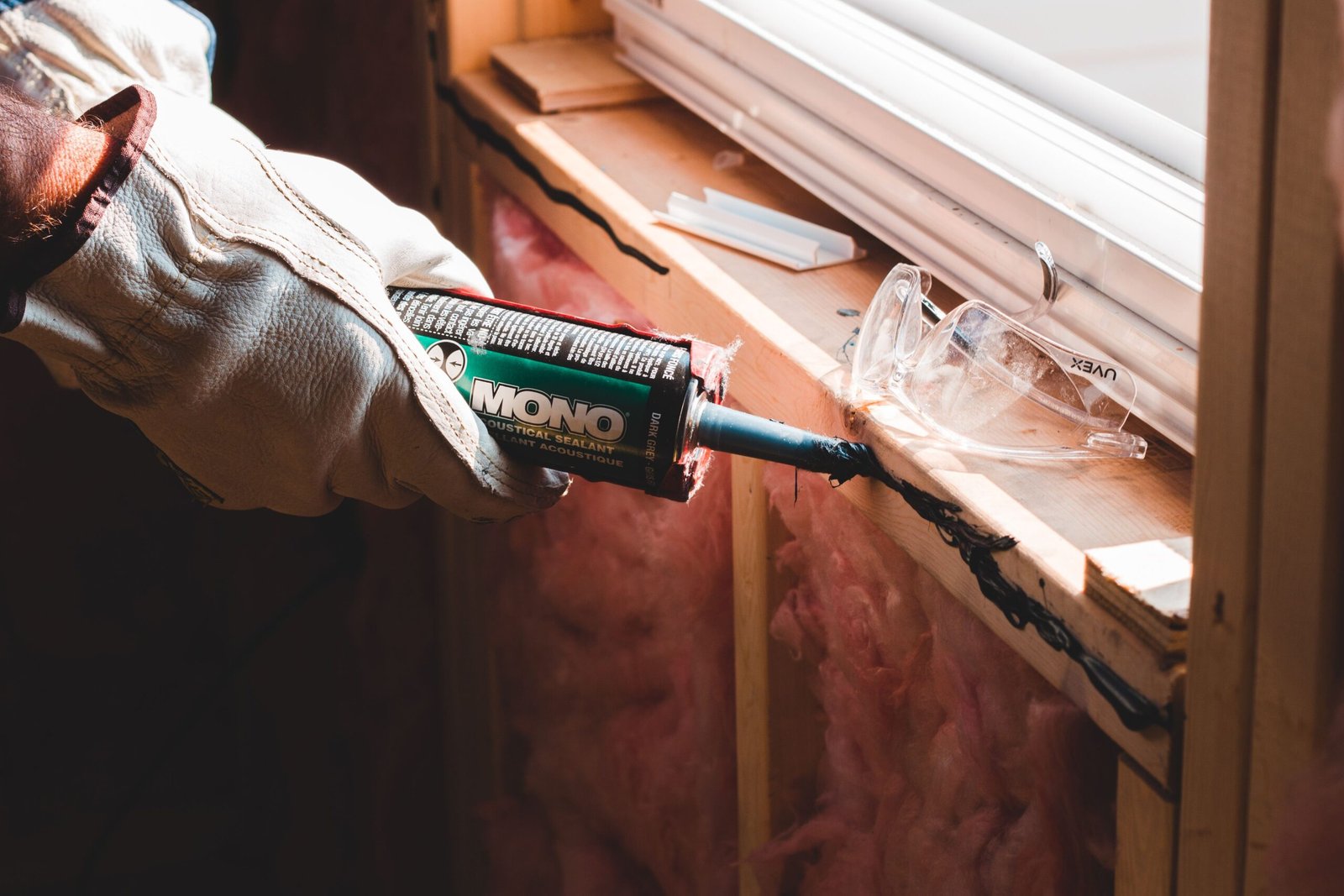
Sound slips through small cracks around window frames, door frames, wall joints, pipe openings, and electrical fittings. Acoustic sealant stays flexible, so it can cope with some movement without cracking like rigid filler.
Identify visible gaps, clean and prepare the surface, apply a suitable acoustic sealant, and let it cure as directed. Never seal ventilation openings or anything that must stay accessible for safety.
Effectiveness: moderate as a supporting measure. Cost: low. Limitation: sealant cannot make up for a thin wall or a poor window. It works best alongside other improvements.
9. Use Decoupled Wall Systems
Decoupling is one of the most effective principles in professional work. A normal wall passes vibration from one side to the other through its connected frame. A decoupled system breaks that link using resilient channels, how to soundproof a room isolation clips, double-stud walls, or independent wall frames, usually with insulation in the cavity and one or more board layers.
It is the serious answer to how to build a soundproof wall or deal with a shared wall.
Effectiveness: high when correctly designed and installed. Cost: high. Limitation: it takes up space, and a wrong fixing can create a rigid connection that wastes the effort. Sound may also bypass the wall through adjoining structures, which is called flanking transmission. This is usually a job for an experienced contractor.
10. Apply Sound Damping Compound
When a panel vibrates, it helps carry sound through. Damping compound, applied between layers of building board, helps dissipate some of that vibration energy. It belongs in multi-layer wall or ceiling assemblies.
Use a product approved for the application, prepare the boards, apply it in the specified pattern and amount, and fit the second layer within the working time.
Effectiveness: a useful supporting improvement in a well-designed assembly. Cost: medium, before boards and labour. how to soundproof a room Limitation: it is not a standalone fix. It cannot close a gap or replace mass and separation.
11. Install Acoustic Insulation in Ceilings
Noise from upstairs travels through the floor structure, ceiling cavity, and connected components. Acoustic insulation such as suitable mineral wool can reduce transmission in a properly designed ceiling system, how to soundproof a room but its performance depends on the whole build, not just the insulation.
A ceiling upgrade may involve checking wiring, lights, and pipes, fitting acoustic insulation, adding resilient channels or isolation clips where specified, adding board layers, and sealing joints.
Effectiveness: moderate to high for some airborne noise as part of a full system. Footstep noise may need treatment at the floor above. Cost: high. Limitation: opening a ceiling brings electrical and fire-safety requirements, and heavy impact noise can remain unless the source floor is treated.
Quick Comparison: How Effective Is Each Method?
Not every method fixes every kind of noise. Something that tames echo may do almost nothing about a neighbour’s television.
| Method | Best for | Relative effectiveness | Cost | Difficulty |
|---|---|---|---|---|
| Heavy furniture | Mild noise through a shared wall | Low | Low | Easy |
| Soft furnishings | Echo and reflections | Low for isolation, moderate for echo | Low–medium | Easy |
| Soundproof curtains | Some window noise and reflections | Low–moderate | Medium | Easy |
| Acoustic panels and baffles | Echo and reverberation | High for echo control | Medium–high | Easy–moderate |
| Barrier mats and underlays | Floor and impact-noise systems | Variable | Medium | Moderate |
| Door seals | Sound leaking through gaps | Moderate at gaps | Low | Easy |
| Acoustic plasterboard | Airborne sound through walls | Moderate–high in a suitable assembly | High | Professional |
| Acoustic sealant | Gaps and joints | Moderate as support | Low | Easy |
| Decoupled walls | Airborne and structure-borne sound | High when correctly designed | High | Professional |
| Damping compound | Vibration in layered panels | Supporting improvement | Medium | Moderate |
| Ceiling insulation | Noise through ceiling assemblies | Moderate–high | High | Professional |
These are planning categories, not laboratory ratings. Real results depend on the building, product specifications, how to soundproof a room installation quality, sound frequency, and other transmission paths.
How to Block Sound Between Rooms and Through Walls
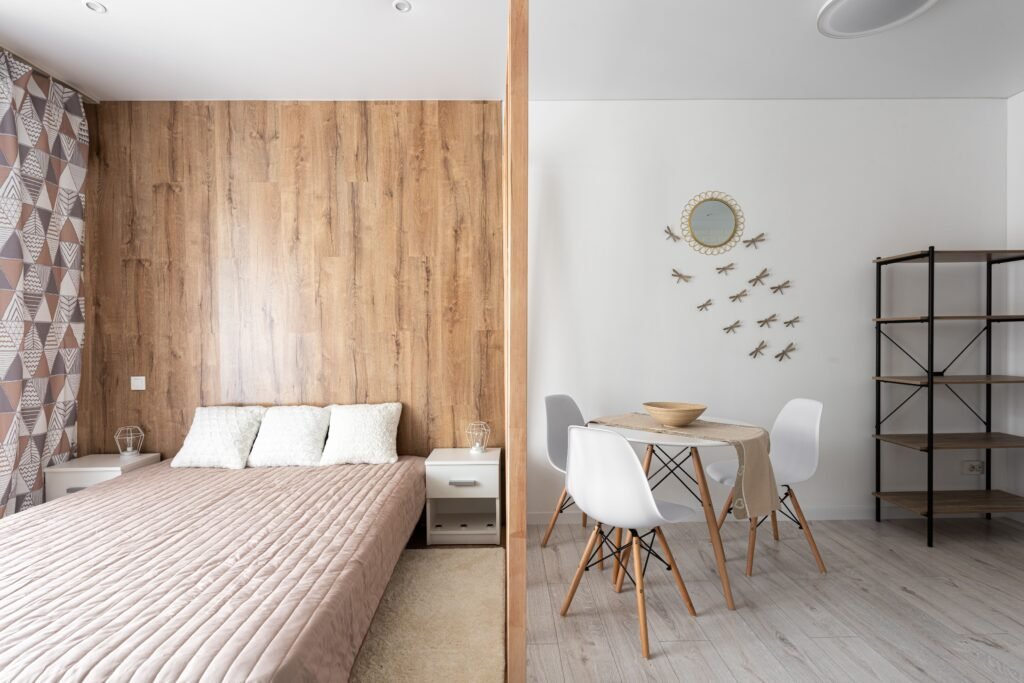
If the problem is a shared or interior wall, start with the cheap checks: gaps around sockets, skirting, ceiling edges, and the door. Seal what you can with acoustic sealant, then add mass.
For how to soundproof a wall between rooms, the usual order is: seal gaps, add heavy furniture as a stopgap, then consider acoustic plasterboard, or a decoupled system if the noise is severe. how to soundproof a room Interior walls in modern buildings can be lightweight, so the improvement from a single layer may be modest.
For a shared wall with a neighbour, listen along the wall to find where sound is strongest. Do not assume the nearest surface is the culprit. Sound may be travelling through the ceiling edge, floor, or a connecting wall.
Outside Noise vs Inside Noise
How to Soundproof a Room from Outside Noise
Traffic, construction, and neighbours’ gardens usually enter through windows, frames, and gaps. To block outside noise in a room, check window seals and glazing first. Heavy curtains give limited help. how to soundproof a room Secondary glazing or upgraded window systems usually give a more noticeable improvement. Seal visible gaps around frames with acoustic sealant.
How to Soundproof a Room from Inside Noise
To keep sound in a room, such as music, a loud call, or a child’s play area, focus on the door, walls, and floor. Seal the door, add mass to the shared walls, and use thick rugs with underlay to reduce footstep noise below. how to soundproof a room Low bass is the hardest sound to keep in, and it often needs structural work.
How Much Does It Cost to Soundproof a Room?
The cost to soundproof a room depends on room size, noise type, materials, and labour. Rather than quote prices that will be wrong in your area, here is how costs break down:
- Low cost: door sweeps, weatherstripping, acoustic sealant, rugs, and moving furniture.
- Medium cost: soundproof curtains, acoustic panels, barrier underlays, and damping compound.
- High cost: acoustic plasterboard, decoupled walls, ceiling systems, and secondary glazing, especially with professional labour.
If you are trying to work out how much to soundproof a wall or a whole room, ask for a written quote that lists materials, labour, and the expected result. how to soundproof a room A cheap fix aimed at the wrong noise path is still wasted money. Spending a little on a proper assessment can save a lot.
How to Soundproof a Room Cheaply
You do not need to renovate to improve comfort. Start with the clearest sound paths and match each fix to the problem.
- Add a door sweep to close the gap underneath.
- Seal gaps around the frame.
- Lay a thick rug over hard floor.
- Hang heavy curtains where window coverage is poor.
- Move a full bookcase against the noisy wall.
- Add soft furnishings to reduce echo.
These steps help everyday comfort. They will not replace structural work when noise is severe.
Soundproofing an Apartment Without Construction
Renters often cannot replace windows or open walls. If you are asking how to soundproof a room in an apartment, focus on removable options: freestanding bookcases, thick rugs, removable door seals, heavy curtains on existing tracks, and movable acoustic panels. Check your rental agreement before fitting anything, and avoid changes that could damage the property.
Look — if you rent and mostly hear voices through a door, start with the door seal. A full acoustic wall system is usually unnecessary and may not be allowed.
How to Soundproof Different Types of Rooms
How to Soundproof a Bedroom
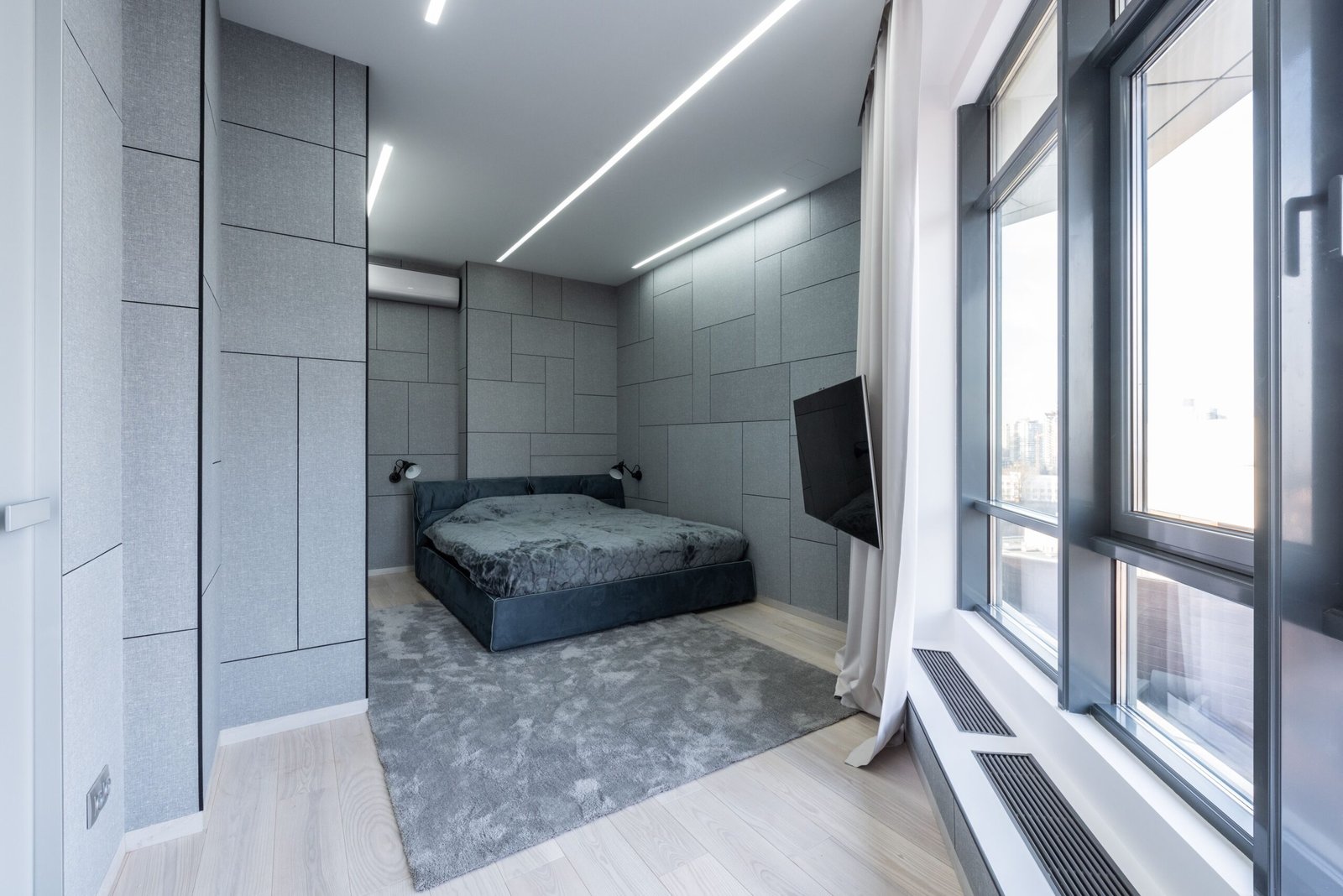
A bedroom needs to be quiet enough for sleep. Check windows and doors first. Heavy curtains and a door seal are the easy wins. Rugs and upholstered furniture soften reflections. If noise comes through a shared wall, move heavy furniture against it as a temporary measure, how to soundproof a room and think about a proper wall upgrade for persistent noise. The same steps apply when you want to soundproof a bedroom from outside noise or from inside noise.
How to Soundproof a Home Office or Office
For soundproofing a home office, you need two things: isolation from household noise and clear acoustics for calls. Use door seals, suitable window treatments, soft furnishings, and acoustic panels where echo is a problem. how to soundproof a room If the office shares a wall with a noisy room, investigate the wall build and sound paths. Soundproofing an office in a larger building follows the same logic, with extra attention to ceiling voids and door gaps.
How to Soundproof a Room for Recording or a Studio
Musicians and creators need isolation and good internal acoustics. A practical studio plan combines a sealed door, improved wall construction, appropriate floor treatment, how to soundproof a room and acoustic panels. Bass from drums and subwoofers is the hardest to contain.
Or maybe it is better to put it this way: a recording room does not just need more foam. It needs the right balance of isolation and treatment.
Common Soundproofing Mistakes to Avoid
Soundproofing gets expensive when people choose products before understanding the problem.
- Treating acoustic foam as soundproofing. It controls echo. It does not usually block sound through walls.
- Ignoring small gaps. A solid wall means little if the door, window, or service openings leak. Never block required ventilation.
- Choosing the wrong material. Foam panels, barrier mats, mineral wool, and acoustic plasterboard do different jobs. Check what each product is designed for.
- Expecting complete silence. Most homes cannot be made silent with a few simple changes. A realistic goal is a noticeable, comfortable reduction.
- Forgetting flanking transmission. Sound often travels around a treated wall. What most guides skip is that fixing one wall can disappoint if sound keeps going around it, so assess the whole room.
When to Hire a Soundproofing Professional
Simple improvements suit minor noise. Consider an acoustic specialist when:
- Traffic or machinery noise stays intrusive after basic fixes.
- Footsteps and vibration travel through several rooms.
- A shared wall gives poor isolation.
- You plan to rebuild walls or ceilings, or build a soundproof room from scratch.
- You cannot tell whether the noise is airborne or impact.
Ask which noise source they believe is responsible, which construction system they recommend, and how they will judge likely performance. Be cautious of guaranteed decibel reductions without a clear description of the tested construction.
Frequently Asked Questions
How can I soundproof a room cheaply?
Start with door and frame gap sealing, thick curtains, rugs on hard floors, and heavy furniture against the noisy wall. These help with minor noise and echo. Serious transmission through walls or floors usually needs structural improvements.
What is the cheapest way to soundproof a room?
Sealing gaps around the door and frame is often the cheapest useful step. A door sweep or weatherstripping reduces leakage through openings. The best first purchase depends on where the noise enters.
How do you soundproof a wall?
Seal gaps and cracks first, then add mass with acoustic plasterboard. For stronger results, use a decoupled system with insulation and damping. Results depend on the whole assembly, because sound can also travel around the wall.
How do I soundproof a room from outside noise?
Check window seals and glazing, then seal gaps around frames. Heavy curtains give limited help. Secondary glazing or upgraded windows usually do more for traffic noise.
Do acoustic foam panels soundproof a room?
No, not by themselves. Acoustic foam mainly absorbs reflections and reduces echo. It does not usually block sound through walls, ceilings, or floors.
How can I soundproof a room without construction?
Use removable door seals, heavy curtains, rugs, upholstered furniture, freestanding bookcases, and movable acoustic panels. These suit most rented homes.
Create a Quieter Room with the Right Method
How to soundproof a room comes down to one habit: find where the noise travels, then treat that path. Heavy furniture, soft furnishings, curtains, and door seals are useful low-cost steps. Acoustic plasterboard, damping compound, decoupled walls, and ceiling insulation are the heavier options for noise that needs a structural answer.
The best approach is not the most expensive one. It is the one that matches how sound actually reaches you. Check your windows, doors, walls, floors, and ceilings, pick methods that fit the noise source and your budget, and do not expect foam or one curtain to solve everything.
Ready for a quieter room? Start by finding where the noise comes in, then choose the methods that suit your space. For complex problems, speak to a qualified acoustic specialist before committing to major building work.