How to Fix a Squeaky Door: Simple Steps to Silence Noisy Hinges for Good

Few household annoyances are as persistent as a door that squeals every time someone opens it. It interrupts a quiet evening, wakes a sleeping baby, and makes late-night trips to the kitchen feel like a public announcement. Whether the culprit is a bedroom door, a bathroom door, or the front entrance, the noise tends to get worse the longer you ignore it.
The encouraging part is that learning how to fix a squeaky door rarely requires special skills or expensive tools. In most homes, a cloth, a screwdriver, and the right lubricant are enough. But there is a catch: spraying something on the hinges is not always the answer. Sometimes the real problem is rust, loose screws, worn hardware, or a door that physically rubs against its frame, and no amount of oil will fix those.
This guide walks you through everything. You will learn why squeaky door hinges make noise, how to pinpoint the exact source, how to fix a squeaky door which lubricants work best, what to avoid, and how to complete the repair step by step. You will also find out how to fix a squeaky door without removing it, what to do when the noise keeps coming back, and when it makes sense to replace the hardware or call a professional.
Why Is Your Door Squeaking?
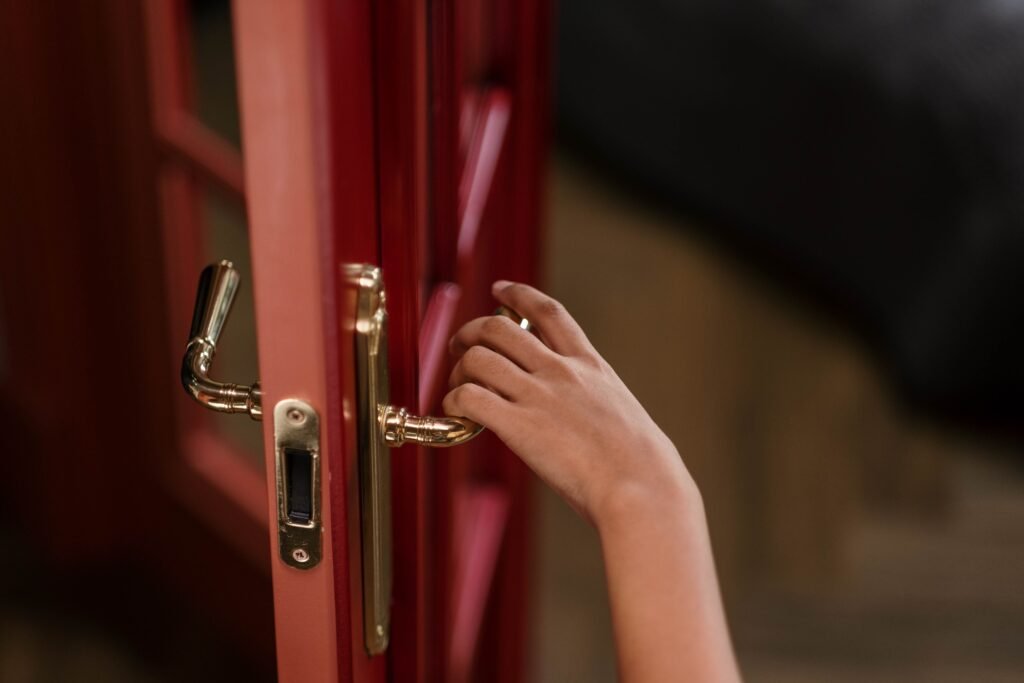
A door squeaks when two surfaces rub together while the door moves. On a typical hinged door, how to fix a squeaky door that friction usually happens inside the hinge, where metal parts slide against each other. Dirt, corrosion, a lack of lubrication, or loose fittings make the sound louder and more obvious.
However, the hinges are not always to blame. A door can also make noise when its edge scrapes the frame, when the latch catches, or when its alignment shifts over time. Knowing which cause you are dealing with saves effort and prevents you from applying the wrong fix.
Dry or Dirty Door Hinges
Dry hinges are the most common reason for a noisy door. Each hinge is made of interlocking metal sections called knuckles, held together by a central pin. As the door swings, the knuckles rotate around that pin. how to fix a squeaky door Without enough lubrication, the metal grinds against metal and produces a high-pitched squeal or a repetitive creak.
Dust makes things worse. Over months and years, fine particles settle around the hinge barrel and blend with old lubricant, forming a gritty film that stops the hinge from moving smoothly. In many cases, wiping away the grime and adding a suitable lubricant is all it takes to restore quiet operation.
Rust and Metal-on-Metal Friction
Moisture is the enemy of metal hardware. Bathroom doors, laundry-room doors, exterior doors, and any door near a damp area are especially prone to rust. Corroded surfaces feel rough, so the hinge may squeak, grind, or feel stiff when you push the door.
Light surface rust can sometimes be cleaned off and treated. Deep rust, pitting, or visibly weakened metal is another story. how to fix a squeaky door Lubricant cannot repair damaged metal, so if the corrosion is serious, replacing the hinge is the safer and more lasting choice.
Loose Hinge Screws
Hinge screws clamp the hinge plates to the door and the frame. When they work loose, the plates shift slightly with every swing, which can cause clicking, creaking, or rubbing sounds. how to fix a squeaky door A loose hinge can also make the door sag, leaving uneven gaps along its edges.
Check that each plate sits flat against the wood. Look for screws that stick out, are missing, or turn freely. Often a quick tightening solves the problem, but screws that keep loosening or spin without gripping usually point to a stripped hole or weakened wood.
Door Misalignment and Frame Rubbing
If a door does not sit properly inside its frame, it can make noise even when the hinges are perfectly lubricated. The top corner, the latch side, or the bottom edge may brush against the jamb, producing a scraping or dragging sound.
Misalignment can come from loose hinges, worn hardware, settling in the building, or movement in the frame. how to fix a squeaky door Look closely at the edges of the door for scratches, chipped paint, or shiny polished patches, because these are signs of repeated contact. The key point is this: lubricant helps a noisy hinge, but it will never correct a door that rubs against the frame.
Humidity and Temperature Changes
Wood reacts to its environment. In humid weather, wooden doors and frames absorb moisture and swell. In dry weather, they shrink. These small changes alter the clearance between the door and the frame, how to fix a squeaky door so a door that moved silently in winter may start sticking or squeaking in the rainy season.
If the noise appears only in certain weather, check the clearance around the door before blaming the hinges.
How to Find Where the Squeak Is Coming From
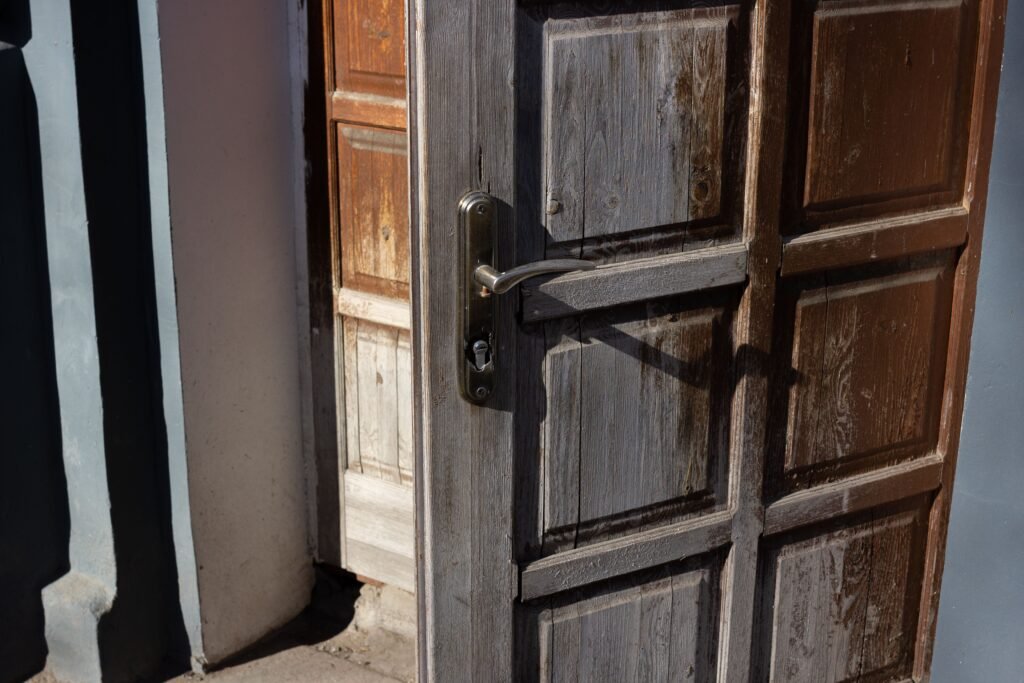
Before reaching for a lubricant, take a few minutes to locate the sound. A short inspection prevents unnecessary work and stops you from oiling parts that do not need it.
Test Each Hinge Separately
Open the door slowly and listen. Most interior doors have two or three hinges, and heavier doors may have more. how to fix a squeaky door Swing the door through its full range several times. If possible, ask someone to operate the door while you hold your ear close to each hinge in turn.
A squeak that gets louder near one hinge tells you that component is the problem. Also look for rust, dirt, or dried residue around the hinge barrel.
Watch the Gap Around the Frame
If the sound does not seem to come from the hinges, study the edges of the door. Open and close it slowly and watch the space between the door and the frame. how to fix a squeaky door Pay special attention to the upper corner, the latch side, and the bottom edge.
A scraping or dragging noise usually means contact, not dryness. Never apply hinge lubricant to the frame as a way of avoiding an alignment repair.
Inspect Screws and Hinge Plates
Examine every hinge plate and its screws. Look for loose fasteners, gaps between the metal and the wood, damaged screw heads, how to fix a squeaky door or signs that a plate has shifted. A plate that moves when the door moves means the screws or screw holes need attention. Use a screwdriver that fits the screw head properly so you do not damage it.
Check Alignment When the Door Is Closed
Step back and look at the closed door. The gaps around its edges should be fairly even. A sagging door often has a wide gap at one corner and a narrow one at another, and it may catch on the floor or frame. how to fix a squeaky door If the door feels unusually heavy or does not swing freely, you are probably dealing with an alignment issue rather than simple hinge friction.
What Is the Best Lubricant for a Squeaky Door?
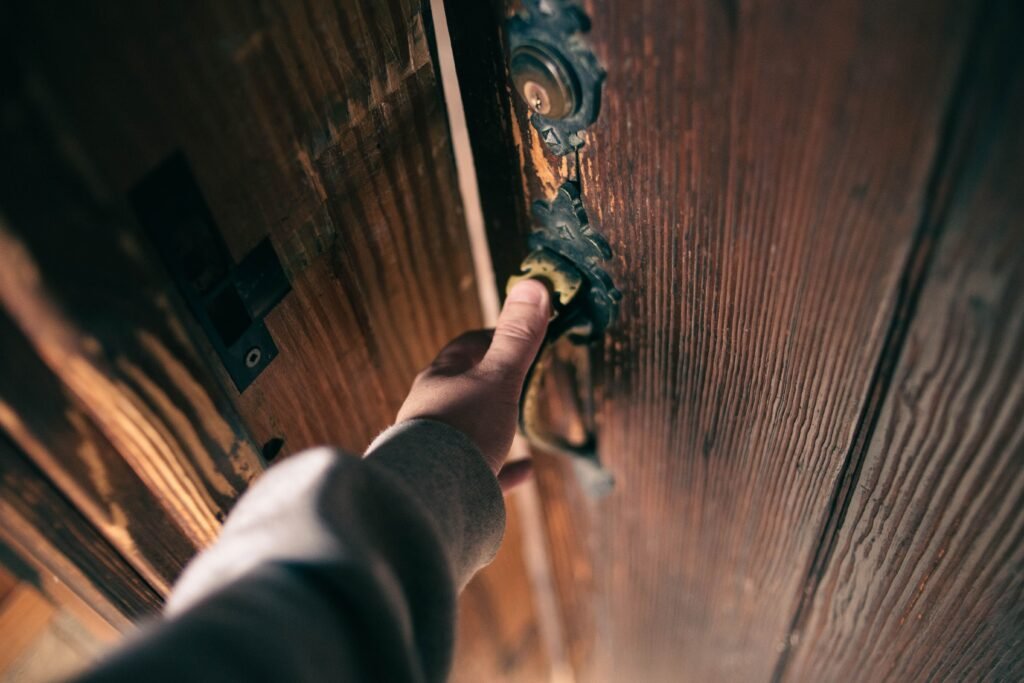
The best lubricant for a squeaky door depends on the hinge material, the condition of the hardware, how to fix a squeaky door and how often the door is used. Some products leave a light film, while others form a thick protective layer. Your goal is to reduce friction without leaving a mess or damaging nearby finishes.
White Lithium Grease
White lithium grease is a thick lubricant made for metal parts that need long-lasting protection. Because it clings to metal instead of running off, it works well on exterior doors and heavily used hinges, provided the hinge manufacturer allows it.
Pros: forms a thick, lasting layer; stays put on metal; reduces wear.
Cons: can leave visible white residue; attracts dust if over-applied; needs care around paint and flooring.
Apply a small amount to the moving surfaces and wipe off the excess.
Silicone Spray
Silicone spray is one of the most versatile options for household use. It leaves a slippery, light coating that reduces friction on compatible surfaces. how to fix a squeaky door Some formulas are also safe for rubber and plastic, which is useful around modern door systems. Formulas differ, so always read the label first.
Pros: easy to apply in narrow spaces; light film; suitable for many household mechanisms.
Cons: overspray can reach floors and walls; may not suit very heavy-duty hinges; contaminated surfaces can become slippery or hard to paint.
Use the straw applicator to aim the spray precisely into the hinge.
PTFE Dry-Film Lubricant
PTFE (polytetrafluoroethylene) is a low-friction material. Dry-film PTFE sprays leave a thin, dry coating once the carrier liquid evaporates. how to fix a squeaky door They are a good choice when you do not want an oily finish, though not every PTFE product is designed for door hinges, so check the instructions.
Pros: dry, clean finish; reduces friction; convenient spray format.
Cons: formulations vary; works best on clean surfaces; cannot repair damaged or misaligned hardware.
Petroleum Jelly
Petroleum jelly is a handy household stand-in for temporary lubrication on small, accessible metal hinges. how to fix a squeaky door It stays where you put it, but it also collects dust and can leave greasy marks. Use only a thin layer and wipe away the excess.
Paraffin or Candle Wax
Plain wax can reduce friction at certain contact points. Candles, however, often contain fragrances, dyes, how to fix a squeaky door or additives that make them unsuitable. Wax cannot fix a bent hinge, a loose plate, or a door that rubs the frame, so use a purpose-made lubricant whenever possible.
Quick Comparison of Door Hinge Lubricants
| Lubricant | Best For | Main Benefit | Limitation |
|---|---|---|---|
| White lithium grease | Compatible metal hinges | Thick, lasting layer | Can leave residue |
| Silicone spray | Compatible hinges and components | Light and easy to apply | Overspray, formula differences |
| PTFE dry-film lubricant | Suitable moving metal parts | Dry, clean finish | Product-specific compatibility |
| Petroleum jelly | Small accessible hinges | Thick household option | Attracts dirt |
| Paraffin wax | Certain contact surfaces | Simple to apply | Not right for every hinge |
For a standard metal hinge, silicone spray, a PTFE lubricant, or white lithium grease is usually a sensible pick. Light-use interior doors suit silicone or dry-film products, while grease suits heavier-duty hardware. Always follow the product label and the hinge maker’s instructions.
What Should You Avoid Using on Squeaky Door Hinges?
Some products silence a squeak for a day or two simply because they make surfaces slippery. That does not make them good for ongoing hinge care. The wrong product can leave sticky residue, attract dirt, and make later cleaning harder.
Cooking Oils
Olive, sunflower, and vegetable oil are tempting because they are already in your kitchen. how to fix a squeaky door But they are not mechanical lubricants. Their behavior changes over time, the residue collects dust, and they can stain paint, flooring, and wood around the hinge. A product designed for mechanical use is the better choice.
Is WD-40 on a Squeaky Door a Permanent Fix?
Using WD-40 on a squeaky door is very common. The standard WD-40 Multi-Use Product loosens stuck parts, displaces moisture, cleans grime, and provides light lubrication, so it can quiet some squeaky hinges quickly.
Still, it is not the same as every specialist product sold under the WD-40 name. WD-40 Specialist Silicone, Dry Lube, and White Lithium Grease are different formulations with different jobs. how to fix a squeaky door Fast relief does not always mean the best long-term option. If the squeak returns, inspect the hinge for dirt, corrosion, looseness, or misalignment instead of spraying more and more product.
Too Much Lubricant
More is not better. Excess lubricant drips down the hinge, stains surrounding surfaces, collects dust, and can make the floor slippery. how to fix a squeaky door Apply a small amount exactly where it is needed, work the door a few times, and add more only if the label allows it and the hinge still needs it. Keep the area clean as you go.
How to Fix a Squeaky Door Step by Step
Once you have found the noisy hinge and chosen a lubricant, you are ready to start. Most standard hinges can be treated without taking the door off, so begin with the simplest method.
Step 1: Gather Your Tools
Having everything ready makes the job quicker. You will need:
- A suitable hinge lubricant
- A clean microfiber cloth or soft rag
- A screwdriver that matches the hinge screws
- A small brush or cotton swabs
- Paper towels to catch drips
- Protection for the floor
- A hinge-pin tool, in case you need to remove a pin
- A flashlight for dark corners
Avoid using sharp tools carelessly near painted surfaces, and arrange proper support if the door is heavy.
Step 2: Locate the Noisy Hinge
Open and close the door slowly and check each hinge one at a time. Do not assume the top hinge is the problem. how to fix a squeaky door Listen for squealing, grinding, or clicking, and look for dirt, rust, or movement around the plates. If you cannot tell which hinge it is, repeat the test at different speeds.
Step 3: Clean Off Dirt and Old Lubricant
Wipe dust and residue from the plates, the barrel, and the area around them. A soft brush helps in narrow gaps. If old lubricant has turned thick or dirty, clean the reachable areas with a method that suits the hinge finish. how to fix a squeaky door Do not flood the hinge with water; if you use a damp cloth, dry the metal completely before lubricating. For stubborn grime, use a suitable cleaner and test it on a hidden spot first if the nearby paint or coating could be affected.
Step 4: Apply the Right Lubricant
Put a small amount around the accessible hinge-pin area and other moving contact points listed in the product instructions. A precision straw keeps the product off trim, wallpaper, and flooring. Never spray the whole door.
Step 5: Work the Door Back and Forth
Open and close the door slowly several times so the lubricant spreads across the moving surfaces. The sound should get quieter if friction was the cause. Do not force a stiff door. If it still resists, the hinge may be bent, damaged, or misaligned.
Step 6: Wipe Away the Excess and Test
Remove surplus lubricant with a clean cloth and check the frame, floor, and paintwork for splashes. Then test the door at normal speed. how to fix a squeaky door If it still squeaks, resist the urge to keep adding product. The hinge may need deeper cleaning, screw adjustment, or replacement.
How to Fix a Squeaky Door Without Removing It
You can usually fix a squeaky door without removing it, which is ideal for bedroom, bathroom, and hallway doors with standard hinges.
Start with the door open and find the hinge barrel, the cylinder that holds the pin. Apply a small amount of lubricant around the accessible moving areas, especially the top and bottom of the barrel where the pin meets the knuckles. Use a precision straw to protect the woodwork.
Then move the door gently back and forth. You do not need to swing it hard; steady, repeated movement is enough. how to fix a squeaky door If the noise fades or disappears, the cause was friction inside the hinge. If nothing changes, look at the screws and alignment next.
Keep in mind that not all hinges are alike. Some modern designs have concealed mechanisms or fixed pins, so follow the manufacturer’s guidance. And avoid repeated spraying without diagnosis, since extra product will not repair mechanical damage.
What to Do When the Door Still Squeaks
Sometimes lubrication works for a few days and then the noise returns. When that happens, the hardware or alignment is usually at fault. The repairs below handle problems that lubricant alone cannot.
Tighten Loose Hinge Screws
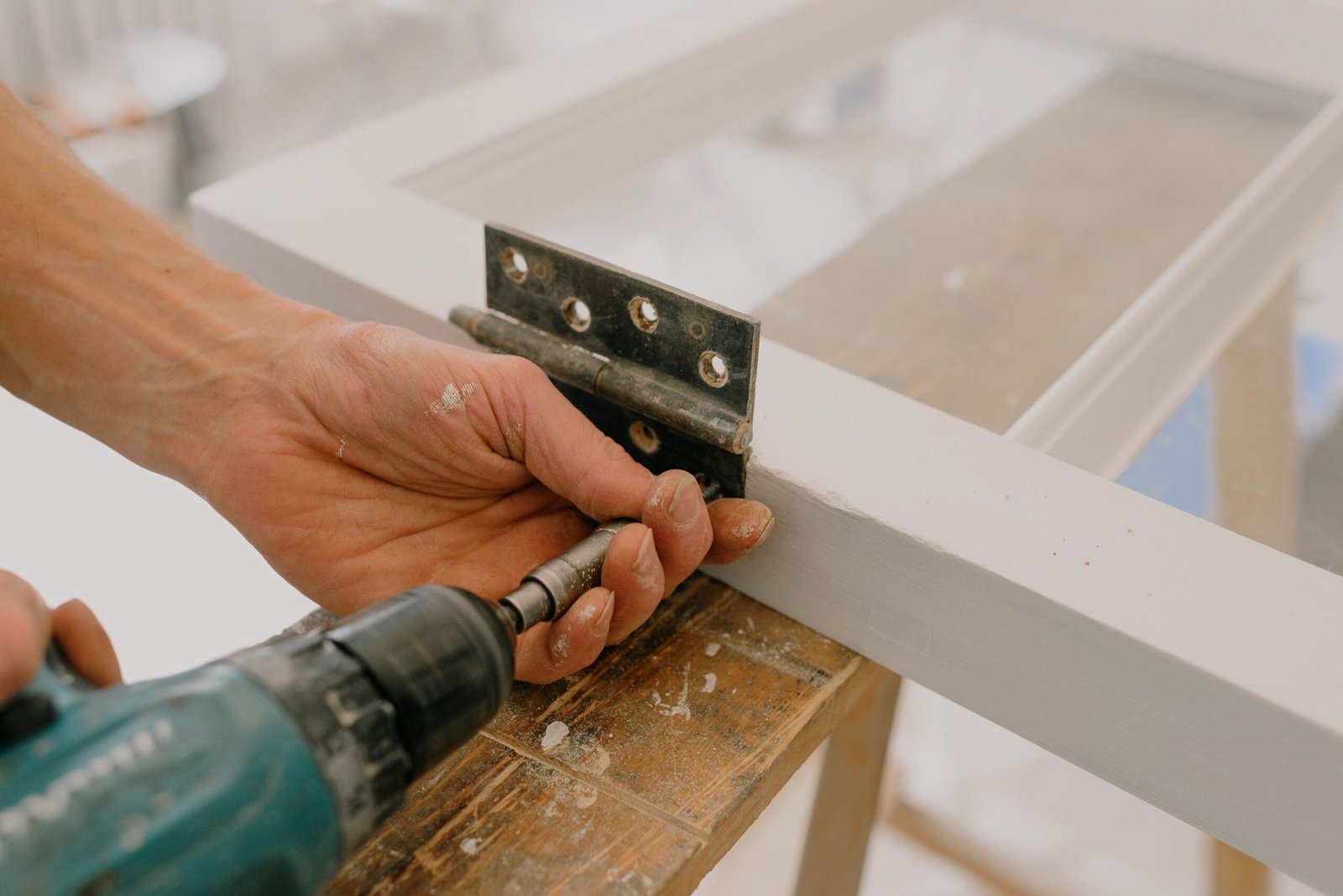
Check the screws on both the door side and the frame side of every hinge. Use a matching screwdriver and tighten until the plate sits firmly against the surface. Do not overtighten, because too much force can damage the screw head, strip the hole, or weaken the wood.
If a screw spins without tightening, the hole is probably stripped. A small damaged hole can sometimes be repaired with a properly fitted wooden plug and compatible adhesive; let it cure fully before reinstalling the screw. For a damaged jamb, several loose screws, or a heavy sagging door, a professional assessment is safer.
Clean or Remove the Hinge Pin
If cleaning the outside does not help, the pin itself may need attention. On many traditional hinges the pin can be removed to expose the internal surfaces, but some hinges have fixed pins or security features, so check the design first.
For a suitable standard hinge, support the door, tap the pin upward with an appropriate tool, and remove it without harming the hardware. Wipe the pin clean and inspect it for rust, bending, or heavy residue. Then lubricate the pin and internal surfaces with a compatible product, reinstall it, and test the door.
Remove only one pin at a time. Taking out several can leave the door unstable or cause it to fall. Heavy exterior doors are not like lightweight interior doors, so if you cannot support the door securely, leave this job to a professional.
Adjust Misaligned Hinges
Even a small shift in a hinge can cause friction. Check that the plates lie flat against the door and the frame, and look for bent leaves, uneven gaps, or a barrel that is no longer straight. Minor problems may be corrected by adjusting the mounting screws or repositioning the hinge, how to fix a squeaky door depending on its design. Do not hammer the hinge aggressively, since that can bend the metal or damage the wood. A visibly bent hinge is better replaced than forced back into shape.
Fix a Door That Rubs Against the Frame
A rubbing door needs an alignment repair, not more lubricant. Find the contact point by looking for scratches or worn paint. If the rubbing is near a hinge, loose screws or a shifted plate may have caused the sag, and tightening them can restore the original position.
If the door rubs along the top or latch side, the cause may be the frame, hinge placement, or movement in the building. Avoid sanding or planing the door right away. First work out why the clearance changed, how to fix a squeaky door because removing material without understanding the problem can leave permanent gaps and damage the finish. For severe rubbing, a warped frame, or a door that no longer closes properly, call a carpenter.
Replace Worn or Damaged Hinges
Sometimes the hinge is simply beyond repair. Warning signs include:
- Bent leaves or pins
- Deep rust or visible corrosion
- Cracks in the metal
- Excessive play inside the hinge
- Missing or damaged hardware
- Squeaking that returns despite proper cleaning and lubrication
Choose replacements that match the door’s weight, size, mounting layout, and use. Exterior and heavy doors need stronger hardware than light interior doors. Support the door before removing an old hinge, how to fix a squeaky door and consult a professional if you are unsure about the weight or the correct parts.
Troubleshooting: Symptoms, Causes, and Fixes
If your door still makes noise after lubrication, this table can help you narrow down the cause.
| Symptom | Possible Cause | Recommended Fix |
|---|---|---|
| High-pitched squealing | Dry hinge surfaces | Clean and lubricate the hinge |
| Grinding or rough movement | Dirt, corrosion, or worn parts | Clean; replace damaged hardware |
| Clicking near the hinge | Loose screws or shifting plates | Check and tighten screws |
| Scraping against the frame | Door misalignment | Check clearance and hinge position |
| Door catches near the floor | Sagging door or alignment issue | Inspect hinges and clearance |
| Noise returns quickly | Dirty, damaged, or misaligned hinge | Investigate the underlying cause |
| Door feels stiff | Corrosion, damaged hardware, or binding | Inspect before further use |
Linking each symptom to a mechanical cause is far more effective than spraying lubricant again and again.
How to Keep Door Hinges From Squeaking Again
Once your door is quiet, a little routine care keeps it that way. You do not need to dismantle every hinge regularly; simple checks and timely cleaning catch small problems early.
Clean hinges regularly. Wipe exposed metal with a soft, dry cloth during normal cleaning. If grime or old lubricant builds up, clean it with a compatible method, and do not leave cleaning products sitting on the metal.
Check screws and alignment. Look over the hinge screws from time to time, and check the closed door for uneven gaps, sagging, or rub marks. how to fix a squeaky door Frequently used doors, such as bedroom, kitchen, and exterior doors, deserve extra attention. Fixing a loose screw early reduces stress on the hinges.
Lubricate when needed. Apply lubricant when you notice friction, stiffness, or squeaking. There is no universal schedule: a lightly used interior door needs less care than an exterior door exposed to rain, dust, and temperature swings. Use only the amount the manufacturer recommends.
Watch for rust and moisture. Bathrooms, kitchens, laundry rooms, and exterior doorways are the most vulnerable. Look for discoloration or rough patches, keep hinges reasonably dry, how to fix a squeaky door and fix leaks or persistent condensation near the doorway. If corrosion becomes severe, replacing the hardware makes more sense than treating it repeatedly.
When to Replace Hinges or Call a Professional
Not every door problem suits a quick DIY repair. A little squeaking can be harmless, but damaged hardware, severe misalignment, and structural issues need more attention.
Bent, cracked, or worn hinges. If noise continues after cleaning and lubrication, inspect the hinges closely. Bent metal, cracked plates, badly corroded pins, and excessive play mean replacement. A damaged hinge changes how the door hangs and puts extra stress on the other hinges.
Sagging or badly misaligned doors. A sagging door may drag on the floor, catch on the frame, or fail to close. Minor cases respond to careful screw adjustment, but severe sagging often needs more involved work. how to fix a squeaky door If the door is heavy or hard to support, do not attempt major adjustments alone.
Structural problems. Sometimes the hinge is not the issue at all. A warped frame, damaged jamb, shifting structure, or crumbling mounting surface can affect the whole doorway. Cracked wood, how to fix a squeaky door visible movement around the frame, very uneven gaps, or repeated alignment trouble are signs to call a carpenter or door specialist, who can tell whether the problem lies in the hinges, the door, the frame, or the structure around it.
Frequently Asked Questions About Squeaky Doors
Why does my door squeak every time I open it?
Friction between moving parts is almost always the reason. Dry or dirty hinges, rust, loose screws, and misalignment are the usual suspects. Check each hinge and see whether the door rubs the frame before choosing a repair.
What is the best lubricant for squeaky door hinges?
Silicone spray, PTFE dry-film lubricant, and white lithium grease are good options for compatible hinges. The right one depends on the hinge design and where the door is used. Follow the product instructions and apply only the recommended amount.
Can I use WD-40 on a squeaky door?
Yes, WD-40 Multi-Use Product can quiet certain squeaky hinges and loosen stuck parts. It differs from WD-40 Specialist Silicone, Dry Lube, and White Lithium Grease, so choose according to what the hinge needs.
How do I fix a squeaky door without removing it?
Find the noisy hinge, clean visible dirt, and apply a suitable lubricant to the accessible moving areas. Swing the door several times to spread the product, wipe off the excess, and test for noise.
Can I use petroleum jelly on door hinges?
It can lubricate some accessible metal hinges, but it may leave greasy residue and attract dirt. Use a thin layer only, and consider a purpose-made lubricant instead.
Why does my door still squeak after lubrication?
The hinge may hold dirt, corrosion, or damaged parts that lubricant cannot fix. Loose screws, bent hinges, and frame rubbing can also keep the noise going. Inspect the hardware and alignment before adding more product.
Conclusion: Keep Your Doors Quiet With the Right Repair
A squeaky door may seem like a small nuisance, but the noise often signals friction, loose hardware, corrosion, or an alignment problem. The best way to fix a squeaky door is to find the source first, then choose the matching solution: clean dirty hinges, apply a compatible lubricant, tighten loose screws, and make sure the door moves freely inside its frame.
Remember that lubrication is not the answer to every problem. A bent hinge, a damaged mounting point, or a rubbing door needs mechanical adjustment or replacement. Follow the steps in this guide, and if your door has damaged hinges or serious alignment trouble, have it professionally inspected. With regular checks and simple maintenance, your doors will stay smooth, quiet, and trouble-free.