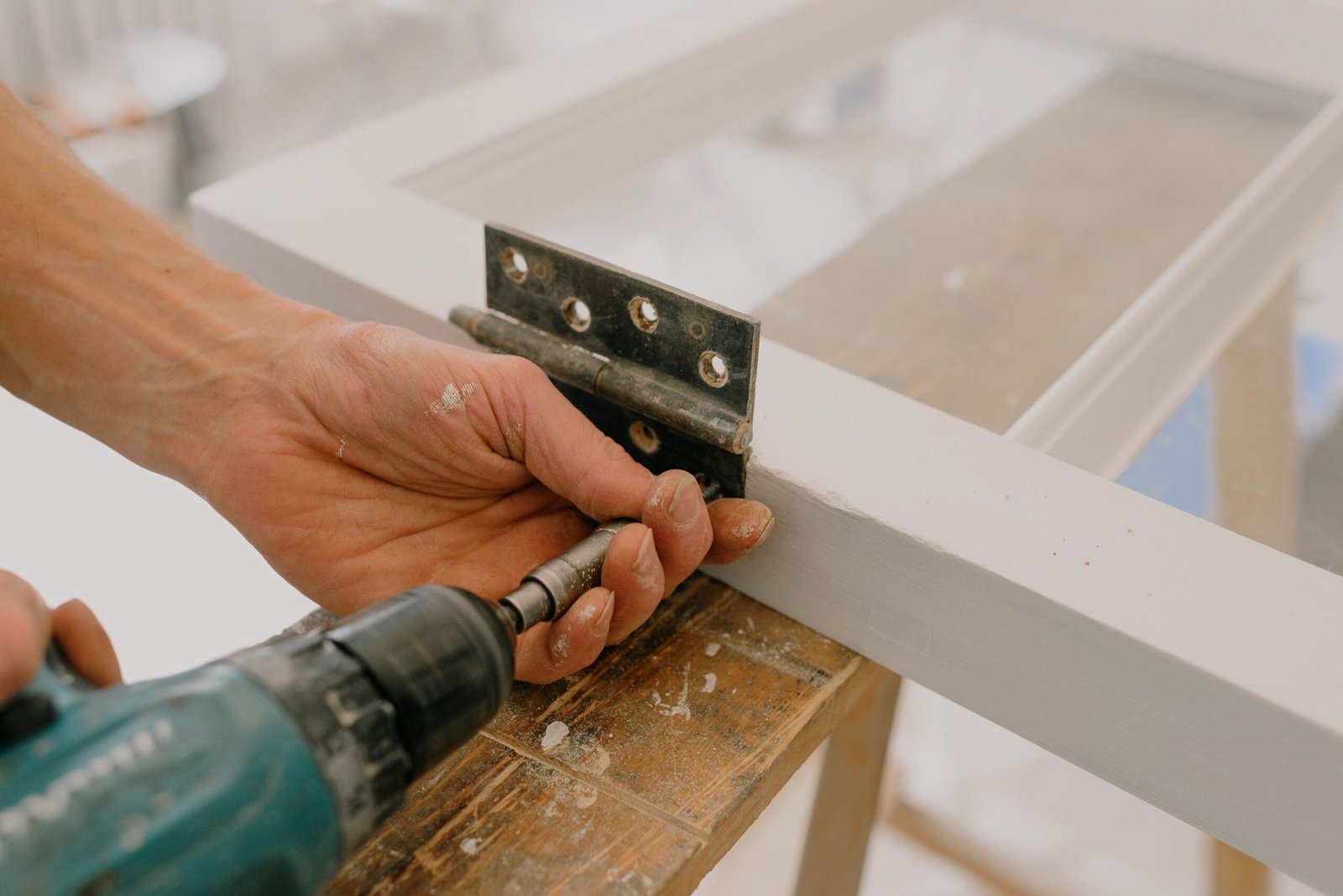
How to Insulate Windows for Winter: 10 Practical Ways to Stop Drafts and Heat Loss

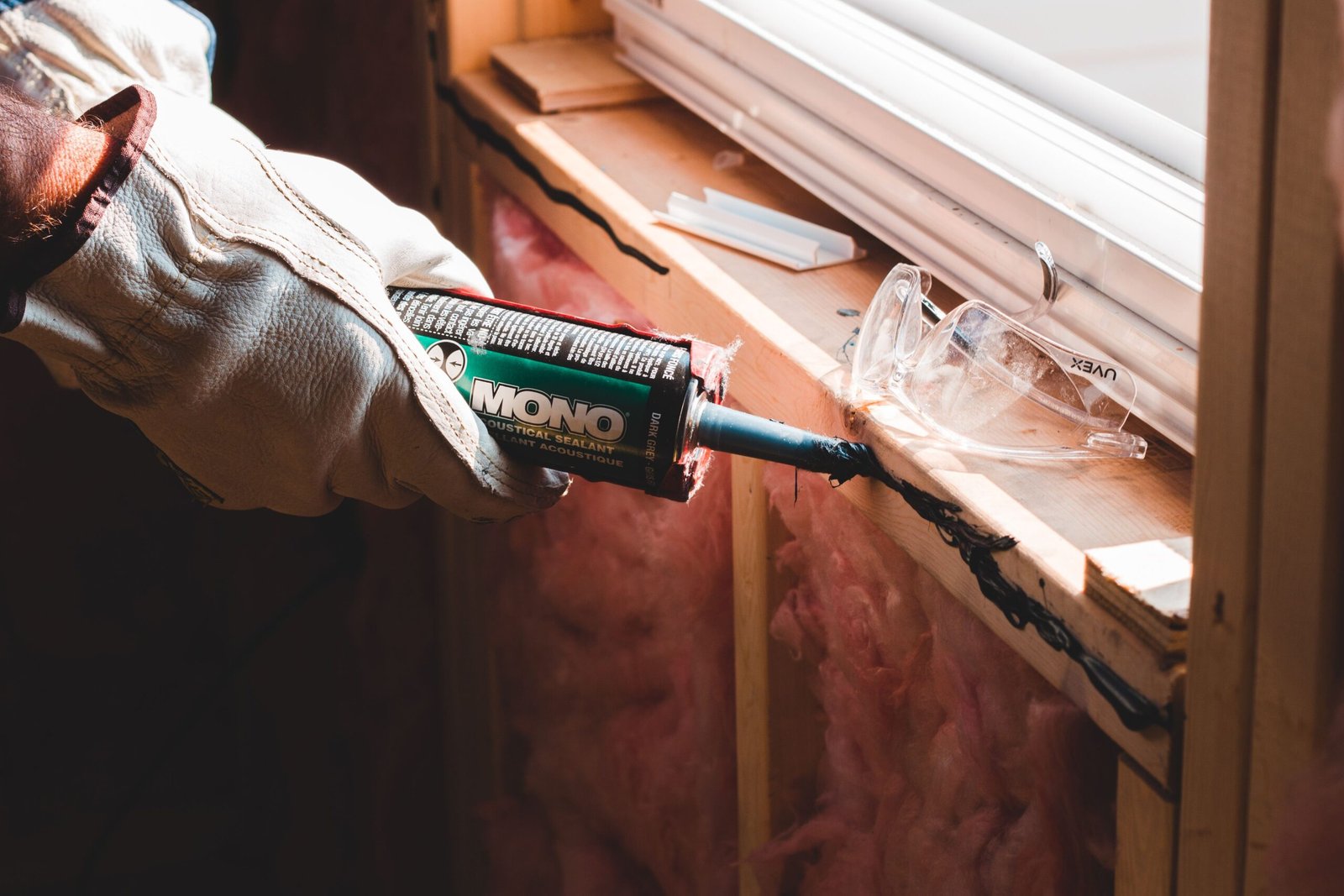
You sit near a window on a cold evening and feel a thin stream of chilly air on your skin. The glass feels icy to touch, the curtains move slightly even though the window is shut, You sit near a window on a cold evening and feel a thin stream of chilly air on your skin. The glass feels icy to touch, the curtains move slightly even though the window is shut, and your heater seems to work harder than it should. Windows are one of the most common places where indoor warmth escapes and cold air gets in, which is why learning how to insulate windows for winter is one of the most effective comfort upgrades you can make.
The good news is that you rarely need to replace your windows. Most problems come from small gaps, worn seals, or bare glass, and each has a straightforward fix. This guide shows you how to find out what is wrong, choose the right method, install it properly, and avoid the mistakes that waste money or cause moisture problems. how to insulate windows for winter It suits homeowners and renters, single-pane and double-pane windows, and every budget.
How to Insulate Windows for Winter the Right Way

The best method depends on the problem. Seal gaps around the frame and moving parts with weatherstripping, foam tape, or caulk to stop drafts. Add window insulation film, thermal curtains, how to insulate windows for winter or cellular shades to reduce heat loss through the glass. If windows are damaged, rotting, or very inefficient, have them assessed for repair or replacement.
In short: seal first, then insulate the glass, then upgrade only if needed.
How to Tell If Your Windows Need Winter Insulation
Before buying anything, spend ten minutes finding out where the problem actually is. This saves money because different problems need different fixes.
Cold Drafts, Visible Gaps, and Rattling Frames
Look for these signs of air leakage:
- A moving flame or smoke test: on a windy day, hold a lit candle or an incense stick near the edges of the frame and the point where sashes meet. If the flame or smoke wavers or bends, air is leaking. Keep flames away from curtains.
- A hand test: move the back of your hand slowly along the frame. Cold spots are easy to feel.
- A paper test: close the window on a strip of paper. If you can pull it out without resistance, the seal is weak.
- Light around the edges: if you can see daylight through the frame, air can pass through it as well.
- Rattling: a loose sash often means the seal or latch no longer holds the window tightly.
- Blind and cord openings: small holes for pull chains, cords, or pipes are easy to overlook but let in cold air.
Condensation, Frost, and Cold Glass: What They Mean
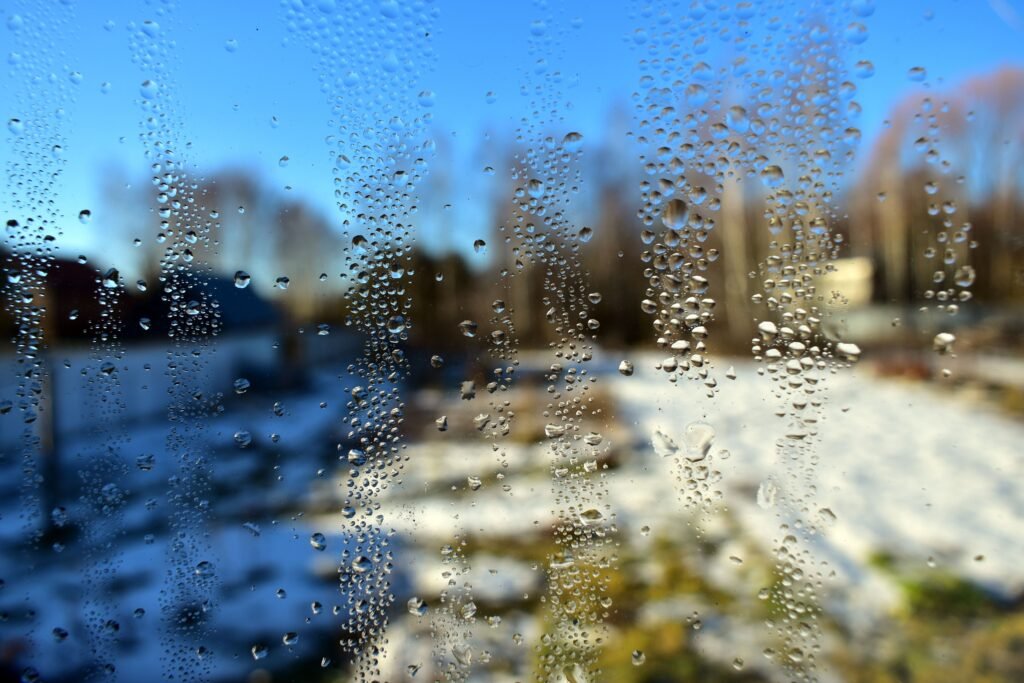
A cold pane of glass, or moisture and frost on the inside, points to a different problem. The glass surface is cold, how to insulate windows for winter and warm indoor air containing moisture condenses against it. Single-pane windows are the most prone to this, but double-glazed units can suffer too, especially in humid rooms such as kitchens and bathrooms.
Important point: condensation is mainly a moisture and ventilation issue, not only an insulation issue. Insulating the glass can reduce cold surfaces, but you also need to manage indoor humidity. how to insulate windows for winter Fog that appears between the panes of a double-glazed unit usually means the sealed unit has failed, and that needs repair or replacement rather than DIY insulation.
Before You Start: Identify the Type of Window Problem
Match your symptoms to the likely cause using this quick table.
| What you notice | Likely cause | Where to start |
|---|---|---|
| Air moving at the edges of an opening window | Worn or missing seal | Weatherstripping or foam tape |
| Air through cracks between frame and wall | Fixed gap | Caulk or sealant |
| Cold glass, no draft | Heat passing through the glass | Film, thermal curtains, cellular shades |
| Moisture on the inside of the glass | High humidity and cold surface | Ventilation, humidity control, then glass insulation |
| Cold air at the bottom of the window | Sill gap or low leak | Draft stopper, foam tape, caulk |
| Fog between the panes | Failed sealed unit | Professional assessment |
| Rotting or warped frame | Damaged window | Repair or replacement |
Also note the window type, because it changes the method. Sash (sliding up and down) windows leak where the sashes meet and along the sides. how to insulate windows for winter Sliding windows leak along the track and the meeting stile. Casement windows (hinged) usually seal against the frame with a gasket that can wear out. Single-pane windows lose the most heat through the glass itself, while double-pane windows lose more through the frame and seals.
10 Easy Methods: How to Insulate Windows for Winter
1. Seal Gaps With Weatherstripping
Best for: moving parts such as sashes, casements, and sliding windows.
Difficulty: Easy | Time: 30–60 minutes per window | Reversible: Mostly | Cost: Low
Weatherstripping creates a flexible seal where parts of the window meet or move. Common types include self-adhesive foam tape, rubber or silicone seals, V-strip (tension seal), how to insulate windows for winter and felt or pile strips. Foam is cheap and easy but wears sooner. Rubber and silicone last longer and recover their shape better.
How to do it:
- Clean the surface with a damp cloth and let it dry fully. Adhesive will not hold on dust, grease, or moisture.
- Measure the length you need and cut the strip slightly longer.
- Peel the backing a little at a time and press the strip along the frame where the sash closes onto it.
- Close the window gently to check that it still shuts and latches without forcing.
- Check for remaining draft gaps at the corners.
Limits: pick a thickness that compresses slightly when closed. Too thick and the window will not latch properly. Too thin and it will not seal.
2. Apply Caulk or Silicone to Fixed Frame Gaps
Best for: non-moving cracks between the window frame and the wall or trim.
Difficulty: Moderate | Time: 1–2 hours per window | Reversible: No | Cost: Low
Caulk is for gaps that do not move. how to insulate windows for winter Never caulk the moving parts of a window shut, because you would seal it closed.
How to do it:
- Remove old, cracked, or peeling caulk with a scraper or utility knife.
- Clean and dry the area completely.
- Choose a sealant suited to the material and location. Acrylic or latex caulk is easy to apply and paintable, while silicone suits areas exposed to moisture. Check the label for use on windows.
- Cut the nozzle at an angle to match the gap width and apply a steady bead.
- Smooth the bead with a finger or tool before it forms a skin.
- Allow it to cure as directed before closing or touching.
Safety note: in older homes, old paint may contain lead. how to insulate windows for winter If you plan to scrape or sand painted frames in a house built before lead paint was phased out, use proper precautions or consult a professional.
3. Install Shrink Window Insulation Film
Best for: cold glass, single-pane windows, rentals, and large windows.
Difficulty: Moderate | Time: 30–45 minutes per window | Reversible: Yes | Cost: Low
Window insulation film is a clear plastic sheet attached to the frame with double-sided tape and tightened with a hair dryer. how to insulate windows for winter It traps a thin layer of still air between the film and the glass, which slows heat loss.
How to do it:
- Clean the frame and let it dry. Apply the double-sided tape around the frame, not on the glass.
- Cut the film a few centimeters larger than the window.
- Press the film onto the tape, starting at the top and working around.
- Use a hair dryer on a low or medium setting, moving constantly, until the film shrinks tight and wrinkles disappear. Do not hold it too close, because it can melt.
- Trim the excess with a sharp blade.
Limits and cautions: film can slightly affect the view. It can be hard to remove if left on for too long or applied to delicate paint. how to insulate windows for winter Keep it away from heaters, and do not cover windows that you need to open for emergency escape or for ventilation. Remove it carefully in spring, peeling slowly to protect the paint.
4. Add Thermal Curtains or Cellular Shades
Best for: reducing heat loss through glass without changing the window.
Difficulty: Easy | Time: 15–30 minutes | Reversible: Yes | Cost: Low to medium
Thermal curtains have a dense or lined back layer that reduces the movement of cold air near the glass. Cellular (honeycomb) shades trap air in small pockets and can add a useful layer of insulation.
How to do it well:
- Choose curtains that extend beyond the window frame on all sides and reach near the floor or sill.
- Hang the rod close to the wall and a little above the window so cold air cannot slip around the edges.
- For cellular shades, measure the inside frame carefully and choose a snug fit.
- Close them at dusk and in the early morning, and open them during sunny hours to let in free solar warmth.
Tip: a gap at the top, sides, or bottom lets warm air escape, so fit matters as much as the fabric.
5. Use Blinds and Curtains Together
Best for: a low-cost layered approach.
Difficulty: Easy | Time: Minimal | Reversible: Yes | Cost: Low
Layering is simple and effective. Blinds or shades sit close to the glass, and curtains hang in front. Each layer traps a pocket of air, how to insulate windows for winter and together they make a thicker barrier. Open both when the sun shines directly on the window, then close them at night.
Limit: layered treatments reduce heat loss through the glass but do nothing about drafts. Seal gaps first.
6. Apply Bubble Wrap as a Temporary Fix
Best for: quick, very cheap, short-term insulation.
Difficulty: Easy | Time: 15 minutes | Reversible: Yes | Cost: Very low
Bubble wrap creates a thin air layer against the glass.
How to do it:
- Clean the glass and let it dry.
- Cut the bubble wrap to the size of the glass.
- Lightly mist the glass with water, then press the bubble wrap on with the bubble side facing the glass. Surface tension holds it in place.
- Peel it off in spring and wipe away any residue.
Limits: it reduces light and visibility and looks untidy, how to insulate windows for winter so it suits rooms where the view does not matter. Moisture can build up behind it, so check regularly. It is a temporary fix, not a permanent repair.
7. Add Foam Tape Where the Sash Does Not Seal
Best for: gaps along the meeting point of sliding or sash windows.
Difficulty: Easy | Time: 20–30 minutes | Reversible: Yes | Cost: Very low
Foam tape is the simplest way to close small gaps at the edges of the sash. Use it where weatherstripping is difficult to install, such as along a sliding window track or at the meeting rail of a sash window.
How to do it: clean and dry the surface, apply the tape so that it compresses lightly when the window closes, and test that the window still latches. If the tape stops the window from closing, replace it with a thinner strip.
8. Use a Draft Stopper for Sill-Level Gaps
Best for: cold air coming in at the bottom of the window or under the sash.
Difficulty: Easy | Time: Minimal | Reversible: Yes | Cost: Very low
A draft stopper (called a draught excluder in the UK) is a fabric tube filled with insulating material that sits along the sill or bottom rail. You can buy one or sew your own from fabric and a filling such as dried rice or fabric scraps. how to insulate windows for winter It works best in combination with sealing, and it is a simple way to protect windows you rarely open.
9. Consider Secondary Glazing
Best for: older single-pane windows, heritage homes, and noisy streets.
Difficulty: Moderate to professional | Time: Varies | Reversible: Often | Cost: Medium
Secondary glazing means adding a second pane, usually fitted on the inside of the existing window. Types include rigid acrylic or glass panels held with magnets or clips, and framed systems made by installers. The trapped air layer between the old and new panes improves insulation and can reduce noise. It is often a good choice when the original windows are valuable or protected and cannot be replaced.
Limits: you must still be able to open or remove the secondary panel for cleaning and ventilation. Check that fitting does not damage historic surfaces.
10. Upgrade to Double- or Triple-Glazed Windows When Needed
Best for: windows that are damaged, very old, or cannot be improved enough with simpler methods.
Difficulty: Professional | Time: Days | Reversible: No | Cost: High
Modern double- and triple-glazed units have two or three panes separated by a sealed gap. Better versions have a low-emissivity (Low-E) coating and may be filled with an inert gas such as argon, along with warm-edge spacers that reduce heat flow at the edge of the glass. These features can significantly improve a window’s thermal performance, which is described by its U-value (a lower U-value means less heat loss).
Replacement makes sense when the frames are rotting, the sealed units have failed, or repairs would cost nearly as much as new windows. For most other cases, start with the lower-cost options above and compare quotes before committing.
Best Window Insulation Method by Budget and Situation
| Situation | Best first choice | Effort | Reversible? | Limitation |
|---|---|---|---|---|
| Tight budget | Foam tape, bubble wrap, draft stopper | Low | Yes | Short-lived, less attractive |
| Renter | Film, thermal curtains, removable seals | Low | Yes | Check lease rules |
| Homeowner, moving parts leaking | Weatherstripping | Low–medium | Mostly | Needs correct thickness |
| Homeowner, fixed gaps | Caulk or sealant | Medium | No | Needs dry weather and prep |
| Single-pane, cold glass | Film or secondary glazing | Medium | Yes or partly | Reduced view with film |
| Old or heritage windows | Secondary glazing, draft sealing | Medium–high | Often | Cost and fitting care |
| Failed or rotting windows | Repair or replacement | High | No | Highest upfront cost |
How to Insulate Windows in a Rental Without Damage
Renters have fewer options, but the best ones are also the easiest to undo.
- Check your lease first. Many allow temporary, non-damaging changes.
- Use removable products: adhesive-backed foam tape, peel-off film, draft stoppers, removable weatherstripping, and tension rods for curtains.
- Choose low-tack tape and test a small hidden area before applying it widely.
- Use thermal curtains or cellular shades that hang from existing hardware.
- Avoid caulk and permanent sealant unless your landlord agrees.
- Remove products slowly in spring, warming sticky areas with a hair dryer to avoid peeling paint.
- Report real faults such as broken seals, rotting frames, or windows that do not close. These are the landlord’s responsibility in many situations.
Common Window Insulation Mistakes to Avoid
- Insulating before sealing. If air is moving through the gaps, curtains and film only partly help. Fix the leaks first.
- Caulking moving parts. This glues the window shut and can make it unsafe in an emergency.
- Skipping surface preparation. Dirty, damp, or dusty surfaces make tape and sealant fail within days.
- Choosing the wrong thickness of weatherstripping. Too thick prevents closing, and too thin leaves gaps.
- Blocking all ventilation. Sealing a home tightly without any ventilation can trap humidity and increase condensation and mould risk.
- Ignoring humidity. Cooking, drying clothes indoors, and showers add moisture. Use extractor fans, open a window briefly each day, and consider a dehumidifier if needed.
- Covering emergency exits. Never fix film or panels over a window that must open in an emergency.
- Putting film near heat sources. Keep plastic and fabrics clear of heaters, fireplaces, and radiators.
- Relying on one method. A combination of sealing plus a thermal layer usually works best.
- Expecting guaranteed savings. Results depend on your home, climate, window type, and installation quality, so treat any promised percentage with caution.
When Should You Repair or Replace a Window?
Use this checklist before spending big money. Consider repair or replacement if:
- The frame is rotting, warped, or cracked, or the wood feels soft.
- The window no longer closes or latches properly.
- Fog or moisture sits between the panes of a double-glazed unit.
- Drafts continue after you have properly sealed and insulated.
- Repairs would cost close to the price of replacement.
- Mould keeps returning around the window despite good ventilation.
If you are unsure, get two or three independent assessments and ask for a written explanation of what is wrong. A good installer should be able to show you the failure, not only a sales quote. Compare repair, secondary glazing, and replacement costs side by side.
A Note on Climate and Region
Winter conditions differ widely. In very cold regions, such as northern and mountainous areas, heat loss through glass and frames is a serious comfort and cost issue, and layered solutions or better glazing can pay off. In milder cities, where cold spells are short, simple sealing and thermal curtains may be enough. Match the effort and cost to the climate you actually live in rather than copying advice written for a different region.
A Simple Winter Window Routine
Insulating windows works best when it becomes a habit:
- Autumn: inspect seals, replace worn weatherstripping, add film or secondary panels, and hang winter curtains.
- Winter: open curtains on sunny days, close them at night, check for condensation, and ventilate briefly each day.
- Spring: remove temporary film and bubble wrap carefully, clean the frames, and note any repairs for next year.
FAQs About Insulating Windows for Winter
What is the best way to insulate windows for winter?
It depends on the problem. Use weatherstripping or caulk for drafts, film or thermal curtains for cold glass, and get damaged or very inefficient windows assessed for repair or replacement.
How to Insulate Windows for Winter Without Replacing Them?
Weatherstripping, foam tape, caulk for fixed gaps, shrink film, thermal curtains, and secondary glazing can all improve insulation without replacing the whole window.
How do I keep cold air from coming through windows?
Find the leaks with the candle, hand, or paper test. Seal fixed gaps with caulk, seal moving parts with weatherstripping or foam tape, then add curtains or film to reduce cold from the glass.
Does bubble wrap really insulate windows?
It creates a thin air layer that gives a small, temporary benefit. It affects light and appearance, so it suits low-visibility windows and is not a permanent repair.
What is the cheapest way to stop drafts around windows?
Foam tape for moving gaps and a draft stopper for the sill are usually the lowest-cost options. For fixed cracks, use a suitable sealant.
Should I use caulk or weatherstripping?
Use caulk for fixed gaps that do not move. Use weatherstripping where parts of the window open, close, or slide.
How do I insulate single-pane windows?
Use shrink film, thermal curtains, cellular shades, or secondary glazing, and seal frame gaps. Single-pane glass loses heat easily, so layering usually helps most.
Final Thoughts: Choose the Right Fix for Your Window Problem
Winter window insulation does not need to be complicated or expensive. Start by finding where the cold is coming from. Seal moving gaps with weatherstripping or foam tape, close fixed cracks with caulk, then reduce heat loss through the glass with film, thermal curtains, or secondary glazing. Keep ventilation in mind, avoid common mistakes, and move to repair or replacement only when the simple fixes are not enough.
Do the inspection this weekend, pick the one or two methods that match your problem, and you will feel the difference in comfort the very next cold evening.