Wet, foggy windows are one of the most common household annoyances, especially when the weather turns cold. If you are wondering how to stop condensation on windows, the good news is that you rarely need expensive repairs. In most homes, the fix comes down to controlling moisture, improving airflow and keeping your glass a little warmer.
This guide explains why condensation forms, how to tell which type you have, and the practical steps that work in bedrooms, conservatories, double glazed windows, how to stop condensation on windows single glazed windows and even your car. You will also find a causes table, a quick-fix comparison, prevention habits and answers to common questions.
What Is Condensation and Why Does It Form on Windows?

Air always holds some water vapor. Warm air holds more than cold air. When warm, moist indoor air touches a cold surface like a window pane, it cools quickly, can no longer hold all its moisture and turns into tiny water droplets. That is condensation.
Windows are usually the coldest surface in a room, how to stop condensation on windows so they are where the water appears first. You make a surprising amount of moisture every day:
- Breathing and sleeping add moisture to the air, especially in bedrooms.
- Cooking, boiling kettles and running dishwashers release steam.
- Showers and baths create large amounts of vapor.
- Drying laundry indoors can release liters of water into the air.
- Unvented heaters, such as some gas and paraffin heaters, add moisture.
So condensation is not a sign that your window is broken. It is a sign that your home has more moisture than the air can handle at that temperature.
Which Type of Condensation Do You Have?
Before choosing a fix, find out where the water is forming. This is the key to how to get rid of condensation properly.
| Location | What It Usually Means | Typical Fix |
|---|---|---|
| Inside the room-facing glass | Too much indoor humidity or cold glass | Ventilation, dehumidifier, heating |
| Between the panes of double glazing | Failed seal | Repair or replace the glazing unit |
| Outside the glass | Clear, cool night with humid outdoor air | Usually harmless, clears by itself |
| On window frames and sills | Moisture and poor airflow | Wipe, ventilate, check for mould |
| On the ceiling | Humid air rising and meeting a cold surface | Ventilation, insulation |
| Inside a car | Moist breath and damp interior | Air conditioning, dry the cabin |
Condensation on the inside of the room is by far the most common problem, and it is the one this guide focuses on.
Why You Should Not Ignore Window Condensation
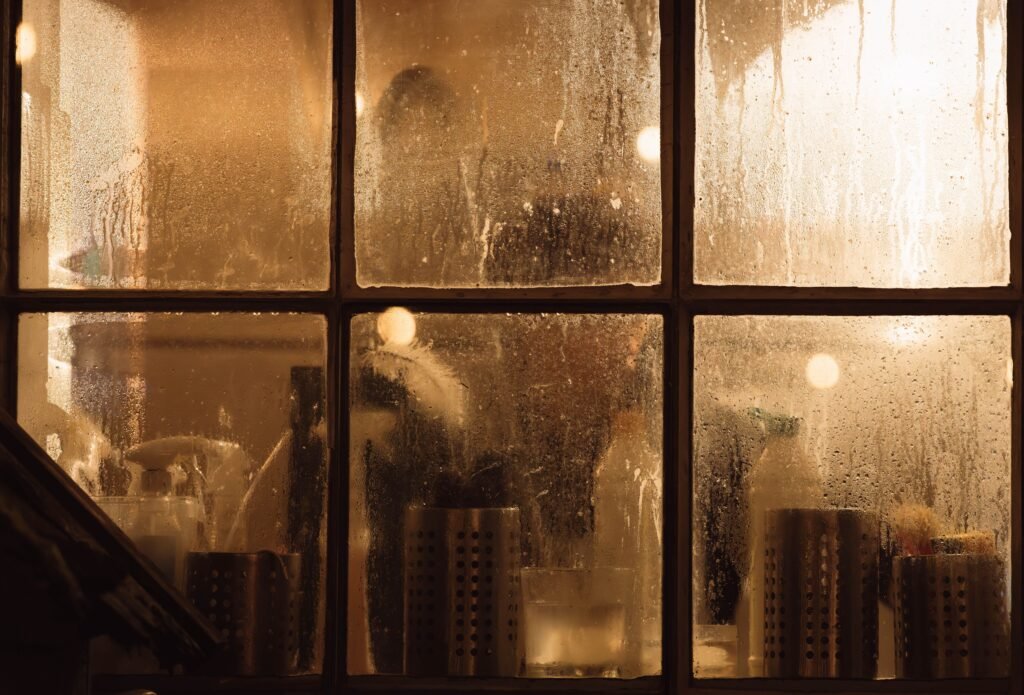
A little morning mist is normal, but regular wet windows can lead to bigger issues:
- Mould and mildew on frames, sills, curtains and walls
- Rotting wood around the window frame
- Peeling paint and damp patches
- Musty smells in rooms
- Allergy and breathing irritation for sensitive people
- Damaged blinds and soft furnishings
If you want to prevent mould on windows, you have to deal with condensation early. Mould can start growing within a day or two on damp surfaces.
How to Stop Condensation on Windows: The Core Principles
All the best methods work on one or more of three principles:
- Make less moisture in the first place.
- Remove moisture from the air with ventilation or a dehumidifier.
- Keep surfaces warmer so vapor does not turn to water on them.
Keep these in mind as you read through the practical fixes below.
1. Ventilate Your Home Every Day
Fresh air is the simplest way to reduce condensation in house spaces. Moist indoor air needs somewhere to go.
- Open windows for 10 to 15 minutes each morning, even in winter.
- Open windows on opposite sides of the home to create a cross breeze.
- Use trickle vents, the small vents on top of many window frames, and keep them open.
- Do not block air bricks or wall vents.
- Use extractor fans in kitchens and bathrooms during and after use.
Short, strong bursts of airing are better than leaving a window slightly open all day, how to stop condensation on windows because they replace humid air without cooling your home too much.
2. Use a Dehumidifier
A dehumidifier is one of the most effective answers to how to stop condensation in house problems. It pulls water out of the air and collects it in a tank.
Tips for using a dehumidifier:
- Aim to keep indoor humidity between 40 and 50 percent.
- Place it in the room with the worst condensation or in a central hallway.
- Keep doors closed in the room so it works efficiently.
- Empty the tank regularly or use continuous drainage if available.
- Choose a model with a humidistat, which switches off automatically at your target level.
A small, inexpensive hygrometer will show your humidity level so you know whether the fix is working.
3. Dry Laundry Outdoors or in a Ventilated Space
Wet laundry is one of the biggest hidden sources of indoor moisture. A single load can release a significant amount of water as it dries.
- Dry clothes outdoors when possible.
- Use a vented tumble dryer, or a condenser dryer that collects the water.
- If you must dry clothes indoors, do it in a room with a dehumidifier and the door closed, and crack the window open.
- Avoid placing wet clothes on radiators, which raises moisture and puts strain on the heating.
4. Cook and Shower Smarter
Kitchens and bathrooms create bursts of steam that spread to the rest of the house.
- Cover pots while cooking and use the extractor hood.
- Keep bathroom and kitchen doors closed while steam is being produced.
- Run the bathroom fan for at least 20 minutes after a shower.
- Open the bathroom window if there is no fan.
- Wipe down tiles, glass and mirrors after showering.
- Take slightly cooler, shorter showers to reduce steam.
5. Keep Your Home Evenly Warm
Cold surfaces cause condensation, so steady, moderate heating helps. how to stop condensation on windows A home that is heated in sudden bursts and then left cold is more prone to moisture problems.
- Heat your home at a consistent, comfortable level rather than turning it on and off.
- Keep heating on low in rooms that are used rarely, so they do not become cold and damp.
- Do not block radiators with furniture or long curtains.
- Make sure heating is well maintained and efficient.
6. Wipe Windows Every Morning
Wiping is not a cure, but it protects your home while you fix the cause.
- Use a microfiber cloth or a window squeegee to remove water from glass.
- Wring the cloth out into a sink, not onto the sill.
- Dry the frames and sills, as standing water can stain and rot wood.
- Clean any black spots with a mould cleaner or a mix of water and white vinegar.
Doing this daily takes two minutes and prevents long-term damage.
How to Stop Condensation on Windows Overnight
Nights are when condensation is often worst. People breathe out moisture while sleeping, rooms are closed up and outside temperatures drop. If you want to know how to stop condensation on windows overnight or how can you stop condensation on windows overnight, try these steps:
- Air the room before bed. Open the window for a few minutes to flush out humid air.
- Leave trickle vents open. They provide constant gentle airflow.
- Keep bedroom doors slightly ajar if the rest of the house is drier.
- Run a dehumidifier in the bedroom on a low, quiet setting.
- Keep a low background heat so the glass does not get very cold.
- Avoid drying clothes in the bedroom overnight.
- Wipe the windows first thing in the morning.
How to Stop Condensation on Windows Overnight in Winter
In cold months, glass is at its coldest. For how to stop condensation on windows overnight in winter, combine the tips above with these:
- Close curtains loosely, or leave a small gap, so air can reach the glass.
- Use thermal or insulated lining carefully, as heavy curtains can trap cold air against the window.
- Keep furniture away from the window and radiator.
- Use a small, safe heater on a timer if the room is extremely cold.
How to Stop Condensation in Bedroom Spaces
Bedrooms deserve special attention because of the moisture we exhale at night. how to stop condensation on windows A person can release a noticeable amount of water vapor while asleep, and two people double it.
How to Stop Condensation on Bedroom Windows
If you are asking how to stop condensation on bedroom windows or how do I stop condensation on my bedroom windows overnight, here is a simple plan:
- Open a window slightly for part of the day.
- Do not store wet towels or laundry in the room.
- Keep houseplants to a minimum, as they release moisture.
- Leave space between wardrobes, beds and external walls so air can circulate.
- Use a dehumidifier or moisture absorber.
- Keep the bedroom temperature steady and not too cold.
How to Reduce Condensation in Bedroom Areas
To reduce condensation in bedroom areas further, consider an extractor fan or a window vent. Check the room for damp walls or leaks, because moisture from outside can add to the problem. If you want to get rid of condensation in bedroom spaces for good, ventilation and humidity control matter more than any cleaning product.
How to Stop Condensation on Double Glazed Windows
Double glazed windows are designed to reduce condensation, but they are not immune. If you want to know how to stop condensation on double glazed windows in winter, first work out whether the moisture is inside the room or inside the glass.
Condensation on the Room Side
This is caused by indoor humidity. Use the ventilation, how to stop condensation on windows dehumidifier and heating tips in this guide. Modern double glazing keeps the inner pane warmer, so persistent condensation on it often means indoor moisture is very high.
Condensation Between the Panes
If you want to get rid of condensation inside double glazed windows or get rid of condensation in double glazing, you need to know what is causing it. how to stop condensation on windows Moisture trapped between the panes means the seal has failed, letting damp air in. This cannot be solved by wiping or ventilation.
Your options:
- Replace the glazing unit (the sealed glass panels), which is often cheaper than replacing the whole window.
- Use a professional defogging service, where small holes are drilled and the unit is cleaned and resealed. Results vary.
- Replace the entire window if the frame is old or damaged.
If you ask, how to stop condensation on windows how can I get rid of condensation in double glazing, the honest answer is that internal condensation usually needs a professional repair.
Condensation Outside Double Glazing
Water on the outside of the glass is actually a sign of efficient insulation. The outer pane stays cold because little heat escapes. It tends to appear on clear, cool mornings and usually clears as the day warms.
How to Stop Condensation on Single Glazed Windows
Single glazed windows are very cold surfaces, so condensation is common. For how to stop condensation on single glazed windows:
- Add secondary glazing or a clear plastic window insulation film.
- Fit draught-proofing strips to seal gaps.
- Use thermal curtains but allow some airflow.
- Keep humidity low with a dehumidifier.
- Wipe the windows daily to avoid damage.
- Consider upgrading to double glazing if budget allows.
Window insulation film is a cheap, temporary way to warm the inner surface of the glass and noticeably reduce condensation.
How to Stop Condensation in Conservatory Spaces
Conservatories have lots of glass, which means lots of cold surfaces. People often search how to stop condensation in conservatory or how do I stop condensation in my conservatory in winter because the problem is so visible.
- Open roof vents and windows regularly.
- Use a dehumidifier, especially in winter.
- Keep plants to a minimum, as they release moisture.
- Heat the space gently on cold days to reduce temperature swings.
- Keep the door to the main house closed so humid air does not flow in.
- Use blinds carefully, ensuring there is a gap for air.
- Clean the glass and frames to avoid mould.
If you ask, how can I stop condensation in my conservatory, how to stop condensation on windows the answer is a mix of ventilation, steady heat and humidity control. Modern conservatory glass with a low-emissivity coating performs better, but it will not remove the need for airflow.
How to Stop Condensation on Windows in Winter
Winter is the peak season. For how to stop condensation on windows in winter, how to prevent condensation on windows in winter or how can I stop condensation on my windows in winter:
- Ventilate briefly every day, even when it is cold.
- Dry laundry outdoors or with a dehumidifier.
- Keep your home at a steady temperature.
- Use extractor fans and keep trickle vents open.
- Do not dry clothes over radiators.
- Check for leaks or rising damp that add moisture.
- Insulate loft, walls and floors to keep surfaces warmer.
- Upgrade old windows when you can.
How to Stop Moisture on Windows: Extra Tools
If you want to stop moisture on windows with simple tools, these items can help:
- Moisture absorbers: boxes or bags filled with calcium chloride crystals. They are useful in small spaces like cupboards, but less powerful in large rooms.
- Hygrometer: shows humidity so you can respond before condensation forms.
- Window vacuum: collects water from glass quickly.
- Silica gel or charcoal bags: help in small enclosed areas.
- Anti-fog sprays: reduce the formation of droplets on glass surfaces.
How to Stop Condensation on Windows Using Natural and Budget Methods
You do not need expensive equipment to keep condensation off windows. These low-cost methods help:
- Open windows briefly each day.
- Use a squeegee every morning.
- Place a bowl of salt or rock salt near windows to absorb a little moisture, and replace it when it clumps.
- Use a cup of white vinegar on a cloth to wipe the glass, which can slightly reduce fogging.
- Hang curtains clear of the glass so air moves.
- Cover pots while cooking.
- Keep lids on bathroom steam by using the fan.
These are modest fixes, how to stop condensation on windows but together they make a measurable difference.
How to Get Rid of Condensation Fast
If you need immediate help to get rid of condensation on windows, follow these quick steps:
- Wipe the glass with a dry microfiber cloth or squeegee.
- Open the window for 10 minutes.
- Turn on an extractor fan if you have one.
- Run a dehumidifier.
- Turn up the heating slightly to warm the glass.
- Wipe the sills and frames dry.
For how to get condensation off windows that has already dripped onto wood or paint, dry the area fully and check for mould spots.
How to Stop Condensation on Your Ceiling
Many people also ask, how do I stop condensation on my ceiling. Ceilings collect moisture when humid warm air rises and meets a colder surface, especially in poorly insulated rooms or under roofs.
- Improve ventilation in the room and the loft.
- Add loft insulation to keep the ceiling warmer.
- Install or use extractor fans in bathrooms and kitchens.
- Fix any roof leaks.
- Use mould-resistant paint in problem areas.
Persistent ceiling condensation can signal poor insulation or a ventilation issue in the roof space, so it is worth having it checked.
How to Stop Condensation on Velux Windows
Roof windows, such as Velux windows, often collect condensation because they sit in the warmest, most humid part of the room.
If you ask, how do I stop condensation on my velux windows, try these steps:
- Open the window slightly or use its built-in vent flap.
- Keep warm air flowing, but do not let humid air pool near the ceiling.
- Use a dehumidifier in the room.
- Check that the window seal and insulation collar are in good condition.
- Wipe the glass and frame regularly.
If condensation continues despite good ventilation, a professional can check the installation and sealing.
How to Stop Condensation on RV Windows
Motorhomes and caravans are small, so moisture builds up fast. For how do I stop condensation on my rv windows:
- Open roof vents and windows when cooking or showering.
- Use a small dehumidifier or moisture absorber.
- Use window insulation film or reflective covers.
- Avoid drying wet clothes inside.
- Keep the interior at a steady temperature.
- Wipe windows every morning.
How to Stop Car Windows Steaming Up
Condensation is not just a home problem. If you search how to stop car windows steaming up, how can I stop my car windows steaming up or how can I stop my windscreen from misting up, the principle is the same: moist air meets cold glass.
Quick fixes:
- Turn on the air conditioning. It dries the air even in winter.
- Switch the heater to the windscreen setting with the temperature up.
- Turn off air recirculation and draw in fresh air.
- Open windows briefly to let humid air out.
- Wipe the glass with a clean microfiber cloth.
Prevention tips:
- Clean the inside of the glass, as dirt and film help droplets stick.
- Remove wet coats, umbrellas and floor mats from the car.
- Replace the cabin air filter.
- Use a car dehumidifier bag or silica gel.
- Apply an anti-fog treatment on the glass.
- Check for leaks around door seals or the sunroof.
If you want to know how can I stop my car steaming up inside overnight, how to stop condensation on windows keep the cabin dry and park with the windows cracked slightly when it is safe to do so.
Frequently Asked Methods Compared
| Method | Works Best For | Cost | Effectiveness |
|---|---|---|---|
| Daily ventilation | All windows | Free | High |
| Dehumidifier | Bedrooms, whole house | Medium | Very high |
| Extractor fans | Kitchens, bathrooms | Medium | High |
| Window insulation film | Single glazing | Low | Medium |
| Secondary glazing | Single glazing | Medium | High |
| Trickle vents | Double glazing | Low | Medium |
| Moisture absorbers | Small spaces | Low | Low to medium |
| Squeegee or cloth | Daily cleanup | Very low | Short term |
| Replace failed glazing unit | Misted double glazing | Medium to high | Permanent |
| Loft and wall insulation | Whole house | High | High over time |
Common Causes and Their Solutions
| Cause | Why It Happens | Solution |
|---|---|---|
| Breathing and sleeping | Moisture in the air at night | Ventilate, dehumidify |
| Drying clothes indoors | Releases large amounts of vapor | Dry outside or use a dehumidifier |
| Cooking without ventilation | Steam spreads | Use hood, cover pots |
| Steamy showers | High humidity | Run fan, open window |
| Cold glass | Surface below dew point | Heat evenly, add insulation |
| Poor airflow | Moisture trapped | Open vents, move furniture |
| Failed double glazing seal | Damp air between panes | Replace the unit |
| Hidden leaks or damp | Extra moisture | Repair source |
How to Prevent Mould Around Windows
Mould is the most serious result of long-term condensation. To prevent mould around windows or prevent mould on windows, and to stop condensation and mould on windows, follow these habits:
- Keep humidity below 50 percent.
- Wipe condensation daily.
- Clean frames and sills with mould remover or diluted vinegar.
- Repaint with anti-mould paint in damp areas.
- Fix any leaks quickly.
- Keep curtains and blinds clean and dry.
- Allow air to move behind furniture and curtains.
If you already see black spots, wear gloves and a mask and clean them promptly. For large patches or recurring mould, call a professional.
Long-Term Fixes That Reduce Condensation for Good
If you want a cure for condensation, think about longer-term improvements:
- Upgrade your windows. Modern double or triple glazing with warm edge spacers keeps the inner pane warmer.
- Improve insulation. Warmer walls, floors and lofts mean fewer cold surfaces.
- Install mechanical ventilation. Systems such as positive input ventilation or heat recovery units constantly refresh air.
- Fit extractor fans in kitchens and bathrooms.
- Seal cracks and gaps, but keep controlled ventilation.
- Upgrade heating to a system that warms evenly.
Mistakes That Make Condensation Worse
- Sealing the house too tightly without ventilation
- Keeping windows shut all winter
- Drying laundry in a closed room
- Turning heating off and on in big swings
- Blocking trickle vents with paint or dirt
- Pushing furniture hard against cold walls
- Ignoring early mould spots
- Using only air fresheners to cover damp smells
When to Call a Professional
Consider getting help if:
- Condensation appears between the panes of double glazing.
- Mould keeps returning despite your efforts.
- Window frames feel soft or look rotten.
- You see damp patches on walls or ceilings.
- Humidity stays high even with ventilation and a dehumidifier.
- You suspect a leak, rising damp or a roof issue.
A glazing specialist, damp surveyor or ventilation expert can diagnose problems that are hard to see.
Frequently Asked Questions (FAQs)
How do I stop condensation on my windows?
Reduce indoor moisture, ventilate daily, use a dehumidifier and keep your home evenly warm. Wipe windows each morning to protect frames and prevent mould.
How can I stop condensation on my windows overnight?
Air the room before bed, keep trickle vents open, run a dehumidifier and avoid drying laundry in the bedroom. A steady low heat also helps keep the glass warmer.
Is condensation on windows bad?
Occasional condensation is normal, especially in winter. Persistent, heavy condensation can cause mould, rot and damp, so it should be addressed.
Why do my double glazed windows have condensation inside?
If it is on the room side, humidity is too high. If it is between the panes, the seal has failed and the glazing unit needs repair or replacement.
Does a dehumidifier help with window condensation?
Yes. A dehumidifier removes moisture from the air, which is one of the most effective ways to reduce condensation and prevent mould.
How do I get rid of condensation inside double glazing?
Internal condensation between the panes cannot be wiped away. You will need a professional to replace the sealed unit or the whole window.
How can I stop condensation in my bedroom?
Open a window for a few minutes daily, use trickle vents, avoid drying clothes in the room, keep a steady temperature and use a dehumidifier if needed.
Does opening windows reduce condensation in winter?
Yes. Short bursts of ventilation replace moist indoor air with drier outdoor air, even when it is cold outside.
How do I stop condensation in a conservatory?
Ventilate regularly, use a dehumidifier, limit plants, heat gently in winter and keep the door to the main house closed.
What humidity level prevents window condensation?
Aim for 40 to 50 percent indoor humidity. Levels above 60 percent often cause condensation and mould.
How do I stop my car windows steaming up?
Turn on the air conditioning, use the windscreen demister, switch off recirculation and keep the glass clean. Remove wet items from the car.
Can curtains cause condensation?
Heavy curtains can trap cold air against the glass and prevent airflow, making condensation worse. Leave a small gap and open them in the morning.
Does window film stop condensation?
Insulating window film can warm the inner surface of single glazed windows and reduce condensation, but it does not remove the moisture in the air.
Why are my windows wet in the morning?
Overnight, you add moisture to the air while the glass cools. The warm, humid air condenses on the cold windows, especially in bedrooms.
Final Thoughts
Learning how to stop condensation on windows is mainly about managing moisture. Make less of it, remove what you do make and keep surfaces warm enough that vapor does not turn into droplets. A little daily ventilation, a good dehumidifier, careful laundry habits and steady heating solve most problems.
For stubborn cases, look at the bigger picture. Failed double glazing, weak insulation, hidden leaks or poor ventilation may need a professional fix. The sooner you act, the sooner you protect your frames, walls and air quality.
Start with the simple steps today: wipe the glass, open a window, cover your pans and check your humidity. With small, consistent habits, clear, dry windows can become the norm all year round.