What Is a Sleeper Sofa? A Complete Guide to Types, Comfort and How They Work


A sleeper sofa is a sofa that converts into a bed. Depending on the design, it either hides a fold-out frame and mattress inside the seat or turns its seat and back cushions into a flat sleeping surface. People use one to host guests, sleep in small homes or make one room do two jobs. what is a sleeper sofa This guide explains how each type works, how it compares with a sofa bed, futon and daybed, how comfortable it is, what size you need and how to choose and care for one.
What Is a Sleeper Sofa and How Does It Work?
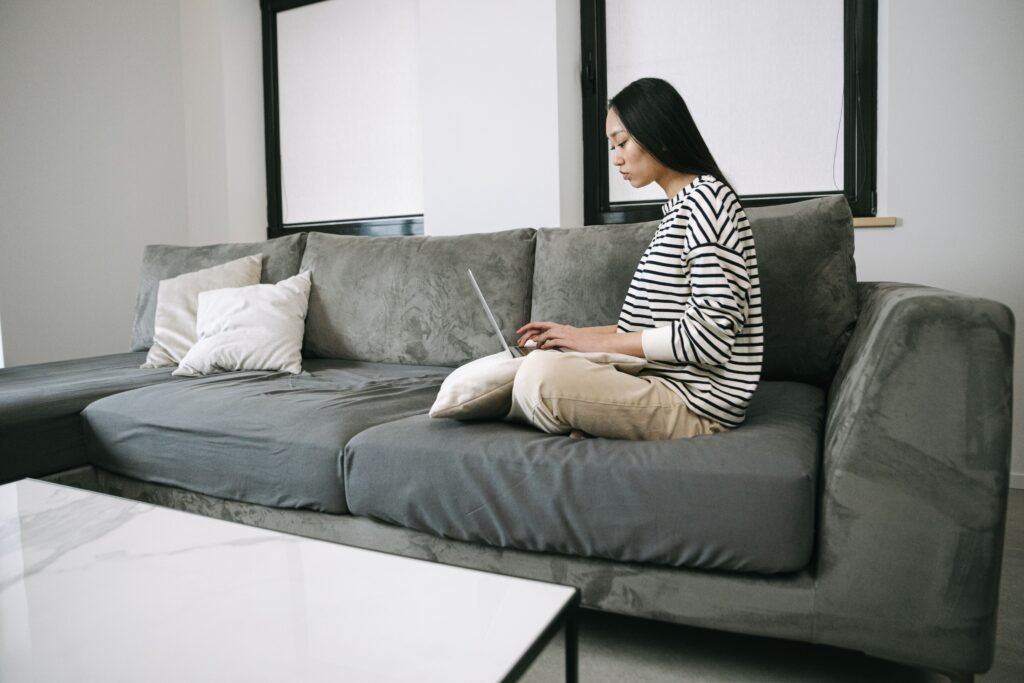
A sleeper sofa has two modes. Closed, it is a normal sofa you can sit on. Open, it becomes a bed. The part that makes the change possible is the conversion mechanism, a hinged metal frame (usually steel) that folds and unfolds. what is a sleeper sofa what is a sleeper sofa The mechanism is built into the sofa body, and most designs fall into one of two families.
Family 1: hidden-mattress designs. A separate mattress is folded inside the sofa, normally under the seat cushions. To open it you remove the seat cushions, lift a handle or bar and pull the frame forward. The mattress unfolds as the frame extends, and legs or supports swing down to hold it off the floor. Closing it reverses the steps. This is the classic pull-out design.
Family 2: cushion-conversion designs. There is no separate mattress. what is a sleeper sofa The seat and back cushions themselves become the bed. The backrest tilts or folds down until it lies level with the seat, or the seat slides forward to meet it. Click-clack and futon-style sofas work this way.
This point matters because many guides wrongly claim that every sleeper sofa contains a mattress. Some do, and many do not. Check how a specific model works before you assume.
The basic steps of a pull-out sleeper:
- Clear the area in front of the sofa and take off loose cushions.
- Grip the handle or front rail and lift slightly to release the latch.
- Pull the frame forward until it is fully extended and locked.
- Check the legs are down and the surface is stable.
- Add bedding and a protector.
To close it, remove bedding, lift slightly and push the frame back in, keeping hands and fingers clear of the hinges.
Sleeper Sofa vs. Sofa Bed: What’s the Difference?

The honest answer is that it depends on where you live and who is selling. what is a sleeper sofa Retailers and regions use these labels inconsistently, so do not rely on the name alone.
| Term | Where common | What it usually means |
|---|---|---|
| Sleeper sofa | United States, Canada | A sofa with a built-in fold-out bed, often a hidden mattress |
| Sofa bed | UK, Australia, most of the world; also common in the US | A broad term for any sofa that converts into a bed, including fold-flat types |
| Pull-out couch | Informal, mainly North America | A pull-out sleeper |
| Hide-a-bed | North America | Originally a brand name, now used for pull-out sleepers |
| Convertible sofa | International | Any sofa that changes shape, including bed conversion |
| Click-clack sofa | UK, Europe | A sofa whose backrest clicks into sitting, reclined and flat positions |
In everyday speech, sleeper sofa and sofa bed mean almost the same thing. what is a sleeper sofa Where a company distinguishes them, it often uses sleeper sofa for hidden-mattress designs and sofa bed for the wider category. Always read the product description instead of trusting the label.
Sleeper sofa vs. futon vs. daybed vs. trundle
These are related but not identical:
- Futon: a mattress on a bi-fold frame that works as a seat when upright and a bed when lowered. It can be considered a cushion-conversion sleeper. Traditional Japanese futons are different: a thin mattress laid directly on the floor.
- Daybed: a bed frame with a back and arms so it looks like a sofa. It does not convert, so it is an adjacent space-saving option, not a true sleeper sofa.
- Trundle bed: a second bed stored under another bed or daybed. It adds sleeping space but is not a sofa mechanism.
- Wall bed (Murphy bed): a bed that folds into a wall cabinet. It is a different kind of furniture, though it solves a similar space problem.
Different Types of Sleeper Sofas

The table gives a quick overview; the sections below explain each type.
| Type | Sleep surface | Ease of opening | Space needed | Best for | Main trade-off |
|---|---|---|---|---|---|
| Pull-out | Folded mattress on metal frame | Moderate; heavier to pull | High: needs clear floor in front | Guests, occasional use | Thin mattress; heavy mechanism |
| Fold-out (bi-fold) | Mattress on a two-section frame | Moderate | Medium | Smaller rooms | Shorter or narrower sleeping area |
| Click-clack | Sofa cushions, flat | Easy: tilt the back | Low to medium | Studio flats, frequent switching | Seams and firmer feel |
| Futon-style | Futon mattress | Easy | Low to medium | Students, small spaces | Mattress feel depends on thickness |
| Sectional sleeper | Mattress in one section, often with storage chaise | Moderate | High | Family rooms, larger homes | Size and weight |
| Pop-up / trundle-style | Platform rises to seat height | Moderate | Medium | Two-person sleeping with a firm platform | Often shallow mattress |
| Air-mattress or power-assisted | Air chamber or motorised frame | Easy | Medium | Occasional use; limited mobility | Power or inflation dependency |
Pull-out
The most recognisable type. A tri-fold or bi-fold frame and mattress is stored inside and pulled out. what is a sleeper sofa It usually gives the largest sleeping surface, since the mattress is full width. The cost is weight: the steel mechanism is heavy, the sofa body is deep and the mattress is usually thin so it can fold.
Fold-out and bi-fold
The frame has two sections instead of three. The result is often a shorter sofa body but a smaller bed. It suits smaller rooms and lighter use.
Click-clack and fold-flat
The backrest is hinged and clicks into positions: upright for sitting, reclined for lounging and flat for sleeping. There is no hidden mattress. It is quick to open, takes little space and makes a good everyday sofa. what is a sleeper sofa The sleeping surface is the sofa cushions themselves, so it can feel firmer and may have a seam where seat meets back.
Futon-style convertibles
A futon mattress sits on a frame with a hinge in the middle. what is a sleeper sofa The back is lowered to make a bed. Because the mattress is also the sofa seat, its thickness and filling decide how it feels both ways. Mattresses can usually be replaced when worn.
Sectional sleeper
A corner or L-shaped sofa where one section contains the bed. Some include a storage chaise for bedding. Great for living rooms in larger homes, but heavy, bulky and harder to move.
Pop-up and trundle-style
These designs store a platform under the sofa seat. what is a sleeper sofa You pull it out, lift it to seat height and it forms a larger flat surface that can sleep two. They sit in the grey area between a sofa and a trundle bed and are good to look at if you want a firm, flat bed rather than a folded mattress.
Air-mattress and power-assisted options
Some sofas hide an inflatable mattress, which has a pump to fill it. Others use a motor to open and close the frame. Both help people who struggle with a heavy mechanism, but consider the plug position, noise, what is a sleeper sofa repairs and what happens in a power failure (many have a manual release; check yours).
Are Sleeper Sofas Comfortable for Sleeping?
The fair answer is: some are comfortable, some are not, and it depends on the design, the person and how often it is used. Modern sleepers are much better than the older models many people remember, what is a sleeper sofa but they are still a compromise between a good sofa and a good bed. No design is perfect at both.
What affects comfort:
- Mattress thickness. Pull-out mattresses are often around 4 to 6 inches (10 to 15 cm) thick so they can fold. Thicker mattresses usually feel more supportive but are harder to fold inside the sofa.
- Mattress material. There is no best material for everyone.
- Memory foam contours to the body and reduces pressure for many sleepers, but can feel warm and slow to respond.
- Innerspring gives a bouncier, more traditional feel, with good airflow, but can sag with age.
- Latex is springy and cooler, but heavy and often pricier.
- Air-over-coil or inflatable designs let you adjust firmness, but need inflating and checking for leaks.
- Support base. Look for a base that spreads your weight: slats, a mesh deck or a platform. In older designs a cross-bar can be felt through a thin mattress. A decent base matters as much as the mattress.
- Frame and joints. A sturdy hardwood or steel frame with well-fixed joints creates a stable surface that does not wobble.
- Sleep position and body weight. Side sleepers, heavier sleepers and people with back pain may need more cushioning or a firmer base.
- Sleeping surface size and height. Standing up from a low bed is harder for older adults.
Use frequency is the real deciding factor. For occasional guests, a good sleeper sofa is usually fine. For regular or nightly sleeping, think about thickness, a quality base and whether a real bed is a better long-term choice. If you have a medical condition, ask a doctor or physiotherapist what kind of mattress you need before relying on a convertible sofa.
Sleeper Sofa Sizes and How Much Space You Need
Sleeper sofas are commonly sold in sizes named after bed sizes: twin or single, full or double, queen and sometimes king. Names and exact dimensions vary between countries and manufacturers, what is a sleeper sofa and a sleeper mattress is often shorter or thinner than a standard mattress of the same name.
| Bed name | Typical standard mattress (inches) | Typical standard mattress (cm) | Notes |
|---|---|---|---|
| Twin / single | 38 x 75 | 97 x 191 | UK single is about 90 x 190 cm |
| Full / double | 54 x 75 | 137 x 191 | UK double is about 135 x 190 cm |
| Queen | 60 x 80 | 152 x 203 | Queen sleepers are often 60 x 72 in (152 x 183 cm) |
| King | 76 x 80 | 193 x 203 | UK king is about 150 x 200 cm |
These are typical values only. Always use the sleeping dimensions listed for the specific sofa, not the bed-size name.
How to measure your room
Most buying mistakes are measurement mistakes. Do all of these before ordering:
- Closed dimensions: width, depth and height of the sofa, plus arm height and seat height. Typical closed depth is about 36 to 40 inches (90 to 100 cm).
- Open dimensions: the full length of the open bed, from the sofa back to the foot end. A queen pull-out can extend to roughly 80 to 90 inches (200 to 230 cm) or more. Always read the manufacturer’s figure.
- Walking space: leave room to move around the open bed; about 24 inches (60 cm) at one side is a practical minimum.
- Obstacles: check coffee tables, radiators, doors that open inwards, rugs and wall sockets.
- Delivery path: measure door frames, hallways, stairwells and lift (elevator) interiors, and compare them with the sofa’s packed size. Many sleepers are heavier than regular sofas.
- Sleeping capacity: a twin or single sleeps one adult, a full or double can sleep two in a pinch, and a queen is the practical choice for two adults. Check the manufacturer’s weight limit.
A simple trick: mark the open footprint on the floor with masking tape and live with it for a day.
Pros and Cons of a Sleeper Sofa
Advantages
- Two pieces of furniture in one, saving space in apartments, studios and spare rooms
- Flexible: use the room as a living room by day and a guest room by night
- Often cheaper than buying a sofa and a separate guest bed
- Many types are available in all sizes and styles, from compact to sectional
- No need to store a spare bed or an air mattress
Disadvantages
- Heavy and bulky compared with ordinary sofas
- The mechanism has moving parts that can wear or jam
- Mattress is often thinner or smaller than a real bed
- Needs clear floor space to open
- Seating comfort can be compromised by the hidden mechanism
- Opening and closing can take effort
Occasional guests or regular sleeping? For a few nights a month, the advantages usually outweigh the drawbacks. For daily use, the compromises become more important, what is a sleeper sofa and many people are happier with a real bed plus a separate sofa, or a high-quality fold-flat design designed for regular use.
Where Does a Sleeper Sofa Work Best?
- Studio flats and small apartments: a click-clack or futon-style model gives a real sofa by day and a bed by night.
- Guest rooms: a pull-out or sectional sleeper turns a spare room into one that earns its space.
- Home offices: a sofa that converts to a bed means a work room can also host visitors.
- Family rooms: sectional sleepers handle sleepovers and movie nights.
- Rental homes: furniture that can move with you, without wall fixings.
- Holiday homes and short-term rentals: sleeping capacity without extra bedrooms; durable fabrics and easy cleaning matter most.
- Students and first homes: a lower-cost multi-use piece for limited budgets.
How to Choose the Right Sleeper Sofa
Use this checklist and decide in this order:
- Start with how you will use it. Weekly, monthly or nightly? One sleeper or two?
- Pick the mechanism. Pull-out for the biggest mattress, click-clack or futon-style for quick conversion, power-assisted for ease of use.
- Check the dimensions. Closed, open, doorway and delivery sizes.
- Examine the mattress. Thickness, material, replaceability and whether it is available separately.
- Test the base and frame. Look for a solid frame, a supportive base and smooth hinges.
- Try the opening effort. Open and close it in a showroom if you can, or read the instructions. Ask whether one person can do it.
- Think about the seat. You will sit on it most days, so comfort when closed matters too.
- Choose upholstery for your life. Consider durability, cleaning needs, pets and children. Fabric care symbols commonly seen on sofas are W (water-based cleaner), S (solvent-based cleaner), WS (either) and X (vacuum only).
- Consider storage. A storage chaise or compartment for bedding saves space elsewhere.
- Check the warranty and parts. Look for coverage on the mechanism and whether replacement parts and mattresses will be available later.
Avoid assuming that a higher price or a trendier foam is always better. The right choice is the one that suits your space and your sleeping habits.
How to Use and Maintain a Sleeper Sofa
Opening and closing safely
- Read the manufacturer’s instructions first; each mechanism is different.
- Clear the area, including toys, pets and loose cables.
- Lift where the instructions say, bend your knees and avoid jerking the frame.
- Keep fingers and hands away from hinges and pinch points.
- Keep children away while the mechanism moves, what is a sleeper sofa and never let them play on or inside the frame.
- Make sure the frame is fully locked open before anyone lies down, and fully closed before anyone sits on it.
- Respect the weight limit, and do not jump on it.
- Use felt pads or a mat if your floor scratches easily; heavy sleepers can leave marks.
- With power-assisted models, check the cord is not trapped and learn how the manual release works.
Everyday care
- Bedding and protectors: use a mattress protector and wash it regularly.
- Airing: air out the mattress occasionally and avoid storing it damp.
- Cushions: rotate and plump seat cushions so they wear evenly.
- Upholstery: vacuum regularly and clean to the fabric code on the label. Test spot cleaning on a hidden area first.
- Mechanism: every few months, open it fully and check for loose bolts, squeaks, bent bars or torn webbing. Only lubricate if the manual allows it, and use the type it recommends.
- Mattress replacement: sleeper mattresses are often non-standard in size and thickness, so measure the folded space and the mattress itself, or order from the maker. what is a sleeper sofa Futon-style and platform-type mattresses can often be replaced easily.
- Moving the sofa: close it fully, remove cushions and lift with two people rather than dragging it.
Frequently Asked Questions
Is a sleeper sofa the same as a sofa bed?
Often yes in everyday use, but not always. Sofa bed is the wider term used worldwide for any sofa that becomes a bed. Sleeper sofa is more common in North America and often implies a hidden mattress. Always check the product details.
Do all sleeper sofas have a separate mattress?
No. Pull-out models have one, while click-clack, futon-style and some fold-flat designs use the sofa cushions or a futon mattress as the sleeping surface.
Can you sleep on a sleeper sofa every night?
Some people do, but it works best if you choose a model designed for regular use, with a thicker mattress and a good base. For nightly sleeping, compare it honestly with a real bed.
Are sleeper sofas good for two adults?
A queen-size sleeper with a solid base can work for two adults for short stays, subject to the weight limit. A twin or single is best for one person.
Can I replace the mattress on a sleeper sofa?
Usually yes, but sizes are often non-standard. Measure the old mattress and folded space, check the thickness, and ask the manufacturer for a compatible one.
How do I measure for a sleeper sofa?
Measure the room, the open footprint, walking space and the route into the home, and compare these with the closed and open sizes listed for the sofa.
How long does a sleeper sofa last?
It depends on build quality, use and care. A well-made frame used for occasional guests can last many years, while heavy daily use puts more wear on the mechanism and mattress. Regular checks help.
Conclusion
A sleeper sofa is a practical answer to a common problem: too little space and too many uses for one room. The key is knowing that the term covers several designs, from pull-out frames with hidden mattresses to click-clack and futon-style sofas that turn their cushions into a bed, and that each has its own strengths. Decide how often you will sleep on it, measure the closed size, the open size and the route into your home, check the mattress and base, and buy for the comfort you need rather than the label on the box.
With the right type and a little care, a sleeper sofa can serve as a dependable sofa every day and a decent bed when you need it.