How to Clean a Mattress: 9 Easy Steps for Stains, Odors and Germs

Your mattress takes a lot of punishment. Sweat, body oils, dust, skin flakes, spilled drinks and the occasional accident all end up in it, even when your sheets look spotless. So if you have ever asked yourself, “How do you clean a mattress without ruining it?”, you are in good company. The good news is that you do not need special machines or harsh chemicals. A vacuum, a few cloths, a gentle cleaner and plenty of drying time will handle most jobs.
This guide shows you how to clean a mattress at home, step by step. You will also learn how to get stains out of a mattress, how to sanitize and disinfect it, how to deodorize it, and how to adjust the method for memory foam, latex, hybrid, innerspring and pillow-top beds.
Quick answer: how can I clean my mattress? Strip the bed, vacuum the top, sides and seams, how to clean a mattress blot stains with a mild cleaner (never soak the mattress), deodorize with baking soda only if the manufacturer allows it, then let the mattress dry completely before putting bedding back on. Moisture is the biggest risk, so always use less liquid than you think you need.
Jump to: What you need · Step-by-step cleaning · Stain removal · Baking soda · Deep cleaning · Sanitizing and disinfecting · Can you wash a mattress? · Odors · Mattress types · Mistakes · FAQs
Why Cleaning Your Mattress Matters
A mattress can look fine and still hold plenty of everyday residue. Regular cleaning removes loose debris, how to clean a mattress lets you catch stains while they are fresh, and helps you spot damp patches or wear early. It also protects the materials inside the mattress, which can help your bed last longer.
Here is what typically builds up:
- Dust and lint from bedding, clothes, pets and open windows, which collect along seams and edges.
- Sweat and body oils that gradually reach the fabric and can cause yellowing and stale smells.
- Spills and accidents such as drinks, food, urine or blood, which are far easier to treat when fresh.
- Trapped moisture, which causes musty odors if a mattress is covered before it is fully dry.
Cleaning will not reverse every kind of damage, and a clean mattress is not a new one. But sensible, regular care keeps your bed fresher and makes bigger cleaning jobs rarer.
What You Need to Clean a Mattress

You can handle most routine cleaning with a short list of supplies:
- Vacuum cleaner with an upholstery attachment
- Several clean white or light microfiber cloths (so you can see what is lifting)
- A small bowl for your cleaning solution
- Cool water
- A mild upholstery cleaner or gentle detergent that the mattress care label allows
- An enzyme cleaner for organic stains such as urine, if its label permits use on mattresses
- Baking soda, if the manufacturer allows it
- A spray bottle (set to a fine mist) and a fan for drying
Skip rough brushes, scouring pads and heavy-duty chemicals. They can damage the cover and push moisture deeper. how to clean a mattress And never mix cleaning products. Combining bleach, ammonia, vinegar or other cleaners can release harmful fumes.
Check the care label first
Before you apply anything, read the mattress care tag or the manufacturer’s website. Construction varies, how to clean a mattress and foam, latex, springs and pillow tops all react differently to water, heat and chemicals. Some brands allow gentle spot cleaning, while others restrict water, baking soda or specific products. If the instructions say not to wet the mattress, stick to vacuuming and dry methods, or contact the manufacturer.
How to Clean a Mattress Step by Step
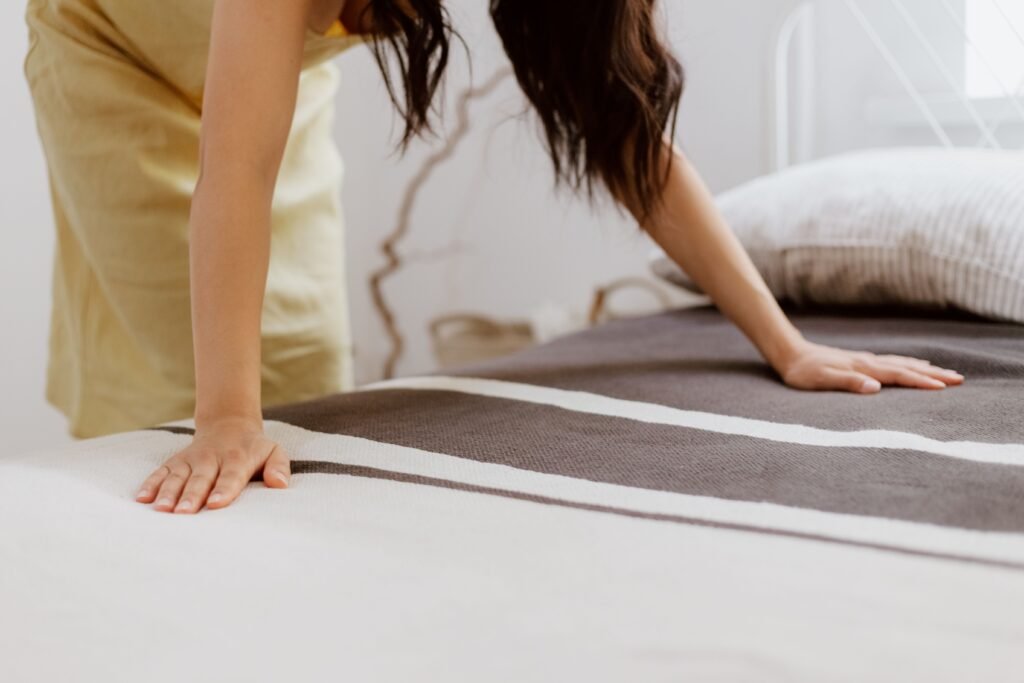
This routine works as the starting point for almost every mattress. Work slowly, treat only what needs treating, and give the mattress time to dry.
Step 1: Strip the bed
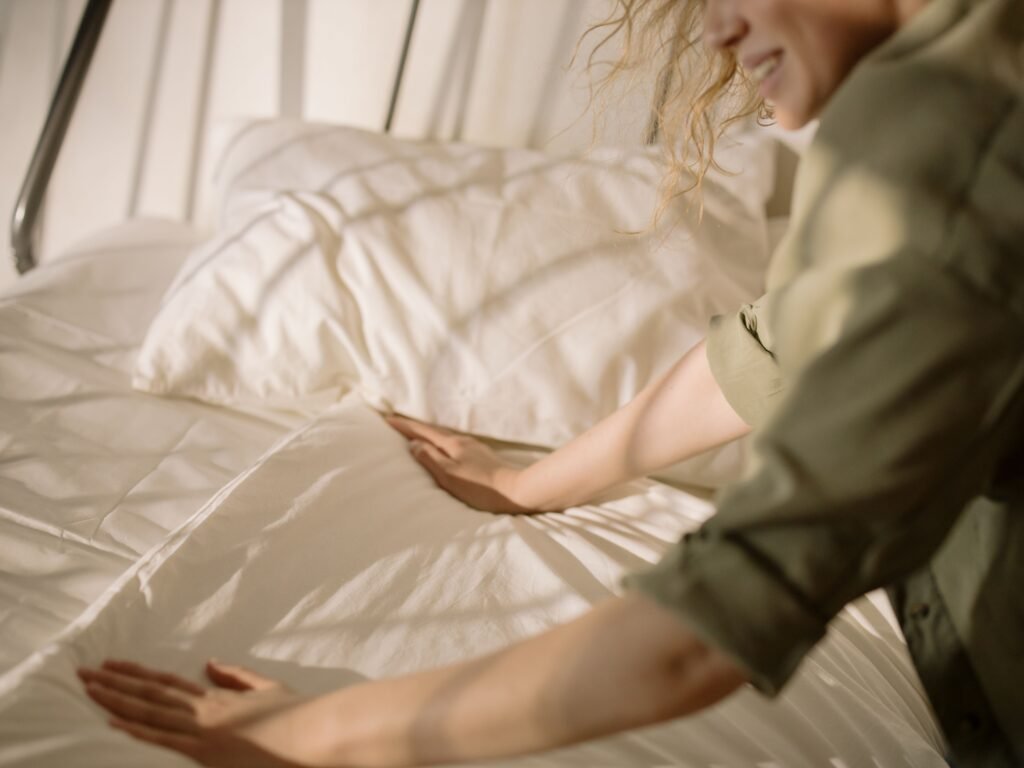
Remove sheets, pillowcases, blankets, the duvet cover and any mattress protector. how to clean a mattress Wash them according to their own care labels. Check the mattress in good light and look for stains, damp spots, odors and loose stitching so you know what needs attention.
Step 2: Vacuum the whole mattress
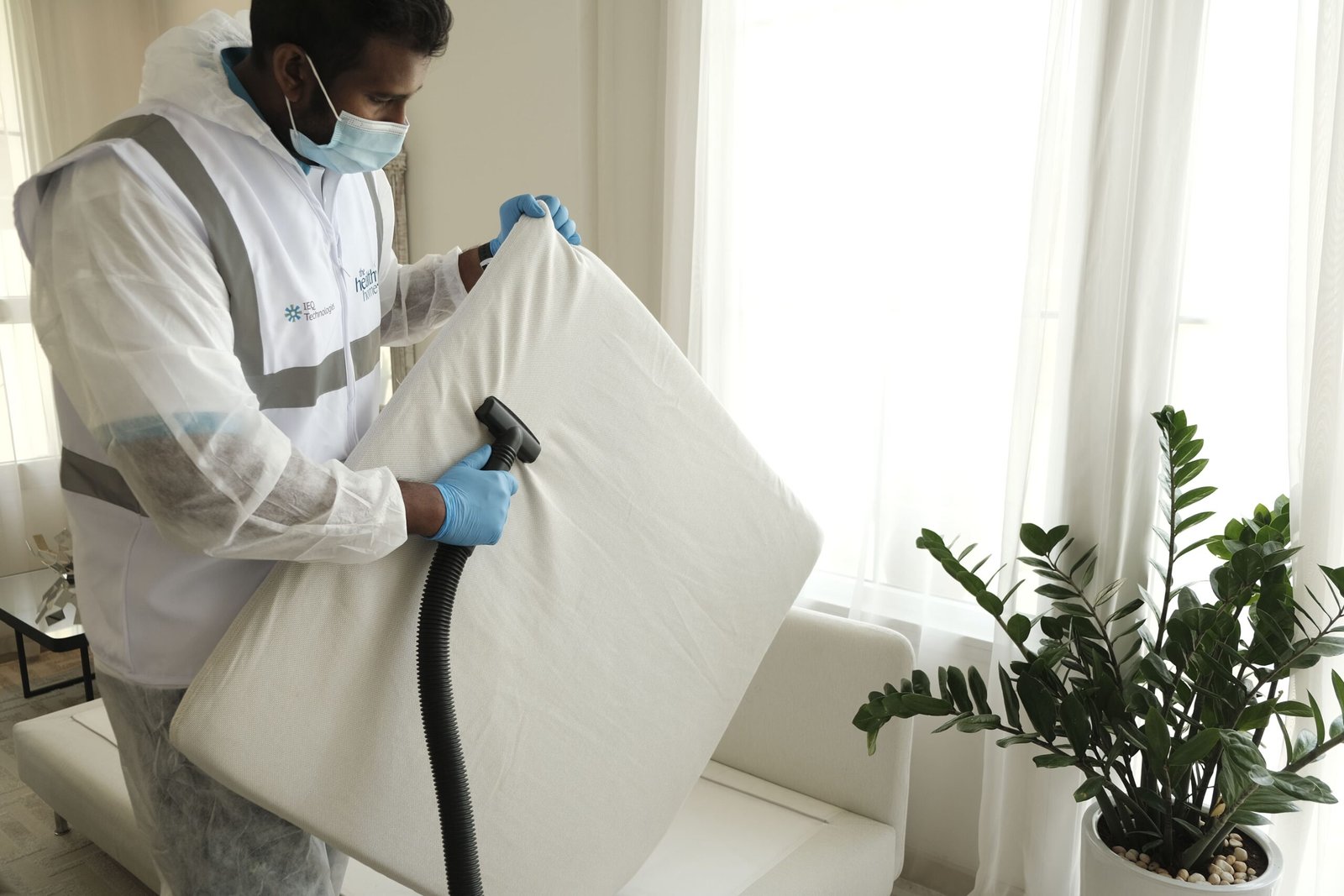
Use the upholstery attachment and go over the top, the sides, the corners and every seam, where lint and dust collect. Use gentle pressure and avoid hard brush heads that can snag the fabric. Vacuuming removes loose debris but not stains or odors, so it is the first step, not the last.
Step 3: Spot clean stains
Dampen a clean cloth (do not pour liquid on the mattress) with your approved cleaner and blot the stain from the outside toward the center. Do not scrub, because scrubbing spreads the mark and drives it deeper. Use a second dry cloth to lift moisture as you go. Full stain-by-stain advice is in the next section.
Step 4: Deodorize if allowed
If the care label permits it, dust a thin, how to clean a mattress even layer of baking soda over the surface and leave it for the time the manufacturer suggests. Then vacuum it up thoroughly. Details are in the baking soda section below.
Step 5: Remove cleaner residue
Some products leave a film that attracts dirt. Lightly blot the area with a cloth dampened with cool water if the instructions allow, then press a dry towel on top to absorb what is left.
Step 6: Let it dry completely
Leave the mattress uncovered in a well-ventilated room. how to clean a mattress Open a window or run a fan. Drying time depends on how much moisture you used, humidity and the mattress type, so there is no fixed number of hours. The treated area should feel completely dry with no cool or damp patches before you cover it.
Step 7: Remake the bed with a protector
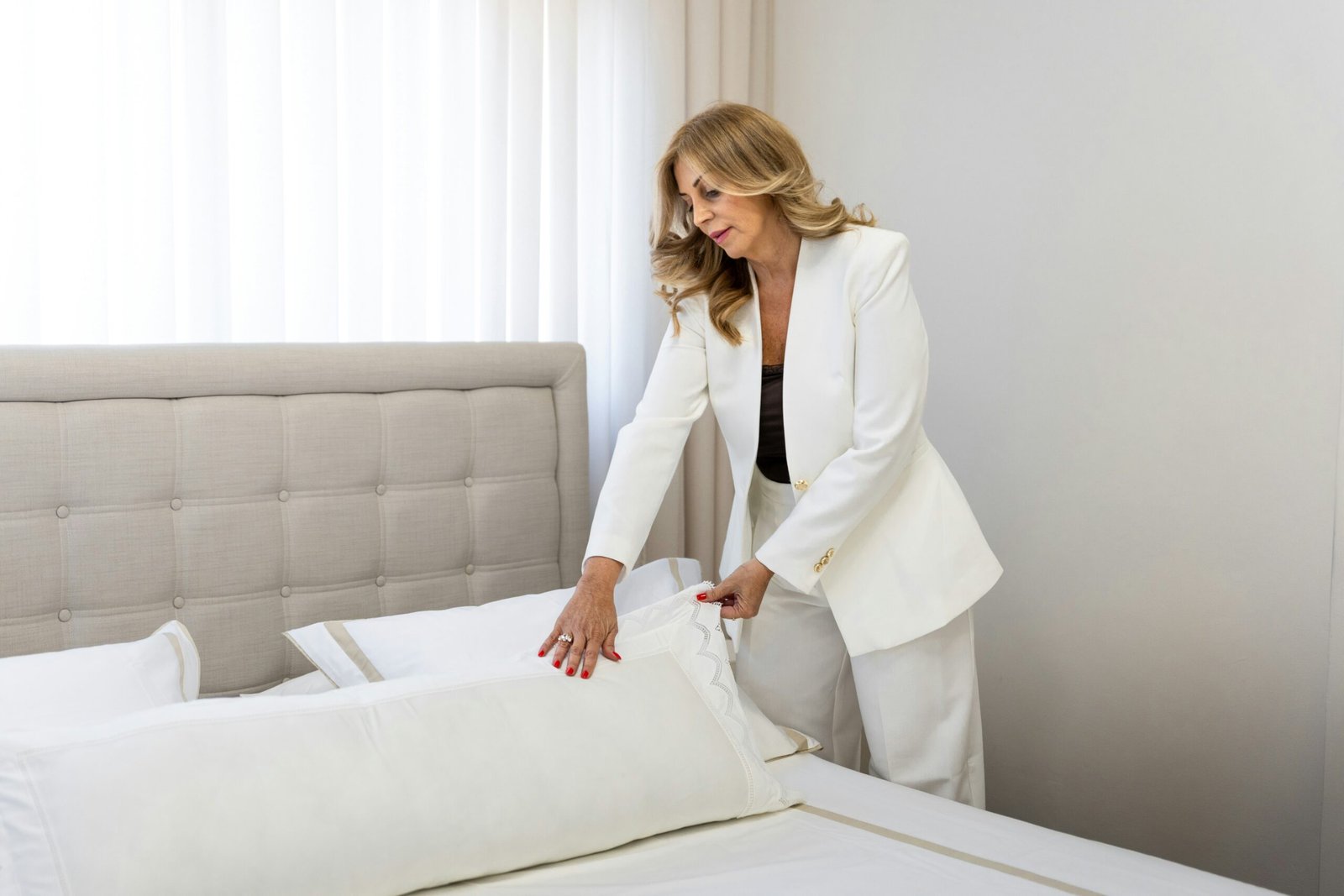
Once it is dry, fit a clean mattress protector and fresh sheets. how to clean a mattress A protector is the cheapest way to cut down future cleaning because it catches sweat, spills and dust before they reach the mattress.
How to Get Stains Out of a Mattress
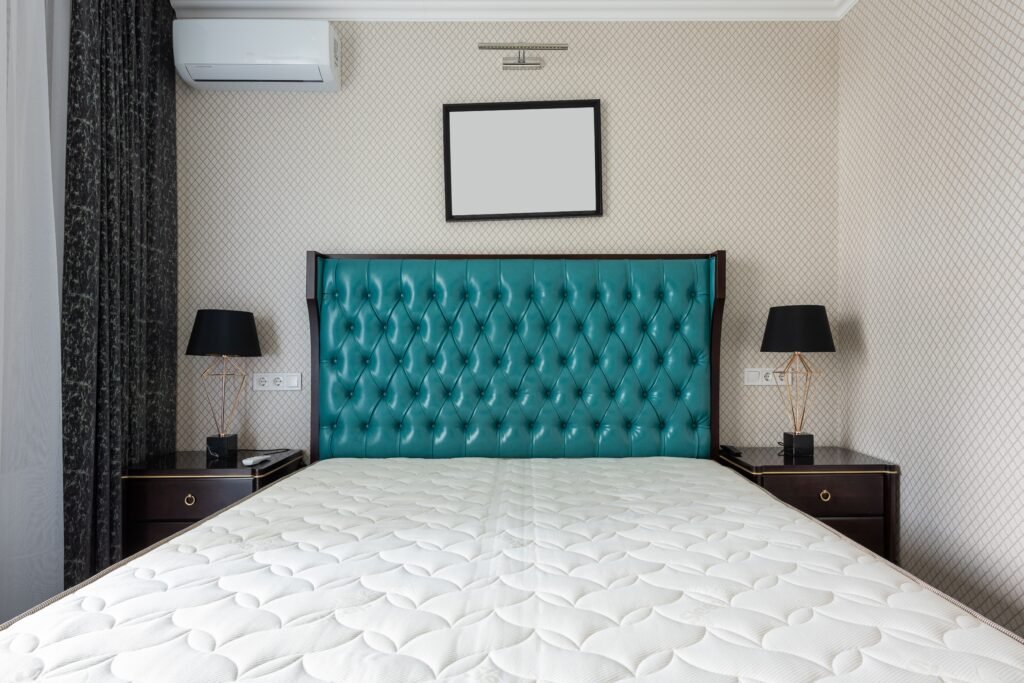
The golden rule for any stain is to act quickly, blot gently and use as little liquid as possible. how to clean a mattress Fresh stains lift far more easily than old ones. Match the method to the cause, because the wrong cleaner can set a stain permanently.
How to clean mattress stains: the basic method
- Blot up any wet spill with a dry cloth. Press, do not rub.
- Check the care label and, if allowed, test your cleaner on a hidden corner.
- Apply a small amount of cleaner to a cloth, not directly to the mattress.
- Blot from the edge of the stain toward the middle.
- Dab with a cloth dampened in cool water to remove residue.
- Press with a dry towel and air-dry fully.
How to remove urine stains from a mattress
Blot fresh urine with a dry cloth right away, pressing firmly to absorb as much as possible. Then use an enzyme cleaner whose label allows use on your mattress material. Enzyme cleaners are designed to break down organic residue that causes odor. Apply sparingly, how to clean a mattress follow the label timing, blot, and dry with good airflow. Old stains may need more than one careful treatment, but only repeat if the product label allows it. If the urine has soaked deep into the mattress or the smell persists, a professional cleaning service may be the better route.
How to remove sweat stains
Sweat stains show up as yellowish marks where your body touches the bed most. Vacuum first, then blot with a cloth lightly dampened with a mild, approved upholstery cleaner. Remove residue and dry thoroughly. Avoid bleach unless the manufacturer specifically approves it. A washable protector prevents most of this staining in the first place.
How to remove blood stains
Use cool water, never hot, because heat can set blood into the fibers. Blot a fresh stain with a clean cloth dampened with a small amount of cool water. how to clean a mattress For anything left, use a fabric-safe cleaner approved for your mattress and test it first. If the stain is old or large, professional cleaning is worth considering.
How to get stains out of a mattress from coffee, tea and juice
Blot the liquid up immediately, working from outside in so it does not spread. Dab with a little approved cleaner on a cloth. how to clean a mattress For sticky spills, avoid adding large amounts of water, since extra liquid pushes sugar and residue into deeper layers. Check the spot again after it dries, because a lingering smell can mean residue remains.
How to get old stains out of a mattress
Old, set-in stains are harder, but you can often improve them. Vacuum the area, then treat with a cleaner suited to the cause (enzyme cleaner for organic stains, mild upholstery cleaner for others). Work in several light passes with plenty of drying time between them rather than one heavy soaking. Be realistic: some very old stains fade rather than vanish.
How to Clean a Mattress With Baking Soda
Baking soda is popular because it is cheap, gentle and good at absorbing odor. Be clear about what it does, though. how to clean a mattress It is mainly a deodorizer. It can help freshen a mattress and soak up surface moisture from a light stain, but it will not remove deep stains by itself and it is not a disinfectant.
To use it safely:
- Confirm the manufacturer allows baking soda.
- Make sure the mattress surface is dry.
- Sift a thin, even layer over the area. More is not better.
- Leave it for the time the care instructions recommend.
- Vacuum slowly and thoroughly, going over seams twice, until no powder remains.
If you are trying to clean mattress stains with baking soda, treat the stain first with a suitable cleaner and let it dry, then use baking soda to handle any lingering smell. Skip it if the manufacturer advises against it, because fine powder can be difficult to remove from some constructions.
How to Deep Clean a Mattress at Home
Deep cleaning does not mean soaking. It means a more thorough, methodical version of routine cleaning, done when you see visible grime, persistent odors or after a spill. Here is a safe approach:
- Strip and wash bedding. Wash everything on the hottest setting the labels allow.
- Vacuum thoroughly. Take your time on seams, piping and edges.
- Treat each stain individually using the methods above.
- Deodorize with baking soda if permitted, and vacuum it up completely.
- Vacuum again to catch anything loosened.
- Air the mattress. If you can, stand it on its side or leave it in a bright, ventilated room. Some manufacturers advise against direct sunlight, so check first.
- Dry fully before covering.
Steam cleaners and carpet cleaners add a lot of heat and water, so use them only when both the mattress manufacturer and the machine instructions explicitly approve the exact method. Many foam mattresses can be damaged by them.
How to Sanitize and Disinfect a Mattress
People often use the words clean, sanitize and disinfect interchangeably, but they are different. Cleaning removes dirt. Sanitizing lowers the number of germs. Disinfecting uses a product designed to kill germs on surfaces. how to clean a mattress A mattress is a soft, absorbent surface, so choose gently and follow the product label to the letter.
- Clean first. Disinfectants work poorly on a dirty surface. Vacuum and spot clean before anything else.
- Use an approved product. Look for a product whose label specifically says it may be used on mattresses or soft fabric surfaces, and follow its contact time and ventilation advice. Do not assume a bathroom disinfectant is safe on fabric.
- Mist lightly. A fine mist, never a soaking spray, and let it air-dry in a ventilated room.
- Never mix products. Combining bleach, ammonia and acids is dangerous.
- Keep heat gentle. Avoid hair dryers and hot tools unless the manufacturer allows them.
Washing all bedding on the warmest setting its labels allow is one of the simplest ways to sanitize your sleeping setup, and it does not involve treating the mattress with chemicals at all. how to clean a mattress If someone in the home has been ill or there has been a significant contamination, follow the mattress maker’s guidance or consider professional cleaning.
Can you bleach a mattress?
In most cases, no. Bleach can discolor fabric, weaken materials and release harsh fumes, and it can damage foam. Only consider it if the manufacturer explicitly approves it for your exact mattress, which is rare.
Can You Wash a Mattress?
You cannot throw a mattress in the washing machine or soak it in the bath, and you should never try. The internal layers hold water and can take a very long time to dry, which leads to odors and damage. When people ask how to wash a mattress or how to shampoo a mattress, the safe answer is a surface method:
- Wash all removable parts (protector, toppers if labeled washable, removable covers) according to their labels.
- Spot clean the mattress itself using a lightly dampened cloth and mild cleaner.
- If the manufacturer allows, use an upholstery shampoo or extraction method sparingly, and extract as much moisture as possible.
- Dry with ventilation and a fan.
Check whether the cover is removable before you unzip anything. Taking off a non-removable cover or washing an unsuitable one can damage the mattress or void the warranty.
How to Deodorize and Freshen a Mattress
Mattress odors come from sweat, spills, pets, food residue or damp. Covering the smell with fragrance only hides it. To really freshen a mattress, find the source.
- Vacuum and strip the bed.
- Treat any stains, because an old spill is often the culprit.
- Use baking soda if permitted, leaving it for the recommended time and vacuuming it up fully.
- Air it out. Fresh air and a fan help carry away stale smells.
- Check for moisture. If a smell returns, there may be trapped damp. Dry the area again and improve ventilation.
Persistent musty smells, visible mold or a mattress that stays damp are signs to contact the manufacturer or a professional, because home treatment may not be enough.
How to Clean Different Types of Mattresses
Always follow the manufacturer’s instructions first. These general notes help you adjust your approach:
| Mattress type | Moisture tolerance | Key tips |
| Memory foam | Low | Vacuum gently, spot clean with a barely damp cloth, never soak or steam, dry fully |
| Latex | Low to moderate | Spot clean only, avoid harsh chemicals, heat and long direct sunlight if the maker advises against them |
| Hybrid (foam and springs) | Low | Keep liquid out of internal layers, blot lightly, contact the maker for deep spills |
| Innerspring | Low to moderate | Vacuum seams, blot stains, keep water away from coils and padding |
| Pillow-top | Low | Blot gently, avoid pressing liquid into the padding, dry the cushioned layer thoroughly |
Memory foam: foam absorbs liquid like a sponge and releases it slowly. Always apply cleaner to a cloth, never to the foam. Latex: natural and synthetic latex can differ, so check the label. Some latex mattresses have removable covers that can be washed separately. Hybrid and innerspring: moisture reaching coils or lower layers is the main concern. If liquid seeps deep, get advice rather than adding more water. Pillow-top: the extra padding hides stains and holds moisture, so work lightly and give it extra time to dry.
How Often Should You Clean Your Mattress?
There is no single schedule that suits every home, but a simple routine works for most:
- Every time you change the sheets: quick visual check for stains and damp.
- Periodically: vacuum the surface, seams and edges, more often if you have pets or a dusty home.
- After a spill: treat it immediately with an approved method.
- When needed: deep clean if you see stains, notice persistent odors or have not cleaned in a long while.
- Protector and bedding: wash them regularly according to their labels, and sooner after spills.
Do not wet-clean a mattress just because a date has passed. Targeted cleaning when it is needed causes less risk than frequent heavy treatment.
Common Mattress Cleaning Mistakes to Avoid
- Using too much water. The most common mistake. Moisture can stay trapped inside long after the surface feels dry.
- Scrubbing hard. It spreads stains and damages fabric and stitching. Blot instead.
- Using the wrong product. Not every household cleaner is mattress-safe. Check labels and test hidden areas.
- Mixing cleaners. This can create harmful fumes.
- Using heat. Hot water, hair dryers and steam can set stains and damage foam and adhesives.
- Skipping the care label. Instructions vary between brands and types.
- Covering a damp mattress. Trapped moisture leads to smells and can damage the mattress.
- Leaving baking soda behind. Always vacuum it up thoroughly.
- Waiting too long on spills. Fresh stains are much easier to remove.
Tips to Keep Your Mattress Clean for Longer
- Use a washable mattress protector. It creates a barrier against sweat, dust and spills, and it is easy to launder.
- Wash bedding regularly. Clean sheets mean less body oil reaching the mattress.
- Vacuum and inspect periodically. Early attention makes problems easier to manage.
- Follow the rotation advice. Some mattresses can be rotated head to foot, while others should never be flipped. Check the manufacturer’s guidance.
- Keep the room ventilated. Fresh airflow reduces stale odors and helps moisture escape.
- Avoid eating and drinking in bed. It sounds obvious, but it prevents the most common spills.
Mattress Cleaning FAQs
How do you clean a mattress at home?
Strip the bed, vacuum the top, sides and seams, blot stains with an approved mild cleaner using a barely damp cloth, deodorize with baking soda if allowed, remove residue, and let the mattress dry completely before remaking the bed.
How often should I clean my mattress?
Check it whenever you change your sheets and vacuum it periodically. Treat spills right away, and deep clean when you see stains or notice persistent odors.
How do I get stains out of a mattress?
Blot, do not rub. Use an enzyme cleaner for organic stains such as urine and a mild approved upholstery cleaner for others. Use minimal liquid, remove residue, and dry the mattress thoroughly.
How do I sanitize or disinfect a mattress?
Blot, do not rub. Use an enzyme cleaner for organic stains such as urine and a mild approved upholstery cleaner for others. Use minimal liquid, remove residue, and dry the mattress thoroughly.
Can I wash a mattress in the washing machine?
No. A mattress should not be machine-washed or soaked. Wash the removable covers and bedding, and spot clean the mattress itself with minimal moisture.
How long does a mattress take to dry?
It depends on how much moisture you used, room humidity, airflow and mattress type. Always confirm that the area is fully dry to the touch before covering it.
Can I use a carpet cleaner or steam cleaner on a mattress?
Only if both the mattress manufacturer and the machine instructions explicitly approve it. These tools can add too much heat and water for many mattress materials.
Final Thoughts
Knowing how to clean a mattress properly is mostly about restraint. Vacuum often, blot instead of scrubbing, use as little liquid as possible, choose products your mattress can tolerate and be patient while it dries. Pair that with a washable protector and regular bedding care, and your bed stays fresher and lasts longer.
Start today: strip the bed, run the vacuum over every seam, and treat any spots you find. A little regular attention beats an emergency deep clean every time.