What Is Scandinavian Furniture Style? A Complete Guide to Its Features, Materials and Timeless Appeal

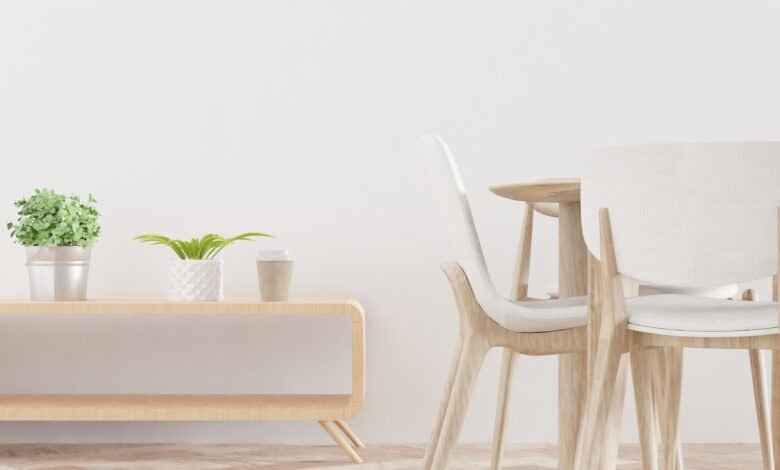
If you have ever stepped into a room and felt calmer straight away (pale wood, soft textiles, a chair that looks as light as it feels comfortable), you have probably met Scandinavian design. But what is Scandinavian furniture style, exactly, and how is it different from simply buying anything that is white, wooden and plain?
Scandinavian furniture style is a design approach rooted in Denmark, Sweden and Norway that combines simple lines, natural materials such as oak, ash, beech and pine, and everyday function. Pieces are light in form, carefully crafted and built to last, with warm, human details that make minimalist rooms feel comfortable rather than cold.
This guide goes further than a definition. You will learn where the style came from, how to recognise authentic pieces, which furniture types and woods define it, how to choose furniture room by room, how it differs from Nordic, Japandi and mid-century modern, and how to buy well on any budget, including in a small home.
Scandinavian Furniture Style at a Glance
- Origin: Denmark, Sweden and Norway, with major contributions from Finland, developed mainly between the 1930s and the 1960s
- Core idea: beautiful, useful furniture for ordinary homes, made to last
- Typical woods: oak, ash, beech, birch, pine and, in vintage pieces, teak
- Typical textiles: wool, linen, cotton, leather and sheepskin
- Typical palette: soft whites, warm greys, sand and stone, with muted accents of blue, green, clay or black
- Signature details: slim tapered legs, softly rounded edges, visible joinery and matte, oiled finishes
- Best for: anyone who wants a calm, practical, long-lasting home, in a small flat as much as a large house
- Not the same as: generic white-and-minimal furniture, which often lacks the craft and warmth that define the real thing
What Is Scandinavian Furniture Style?
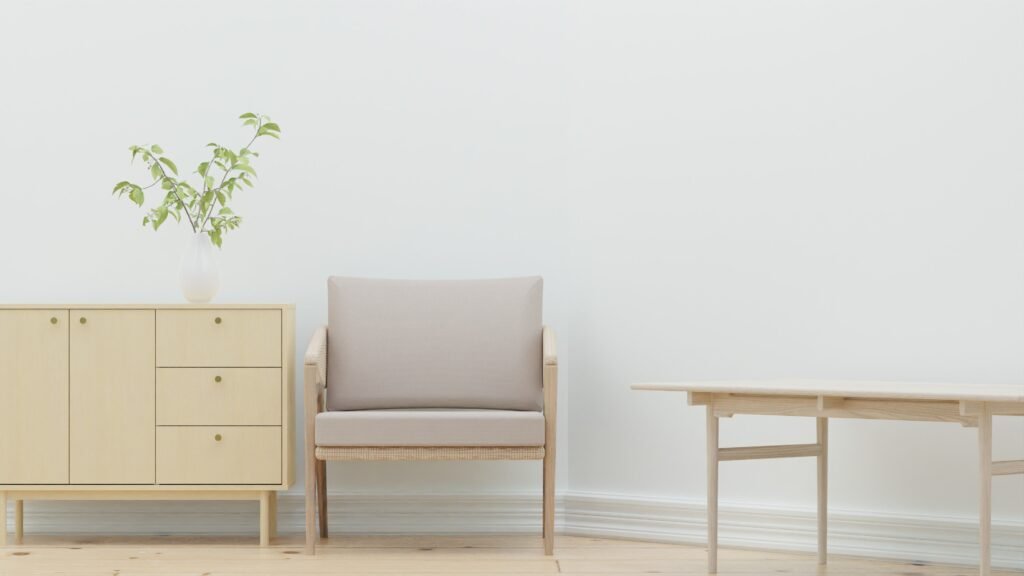
Scandinavian furniture style is the furniture side of the wider Scandinavian design movement. Interior design talks about whole rooms; furniture style is about the objects themselves: how a chair is proportioned, how a table is joined, what a sofa is made of, and why each piece still looks right fifty years after it was designed.
The style grew out of a few shared conditions. Winters in the north are long and dark, so people spent more time indoors and cared deeply about how a home felt. Daylight was precious, so furniture stayed slim and pale to let light travel through a room. Forests supplied good timber close to home, what is scandinavian furniture style and a strong tradition of cabinetmaking meant that wood was handled with real skill. Finally, in the early twentieth century, Scandinavian designers embraced a social idea: good design should not be a luxury, it should belong to everyone. This idea, often called democratic design, is the thread that links a hand-built Danish lounge chair and a mass-produced, flat-packed bookcase.
Scandinavian, Nordic or both?
Strictly speaking, Scandinavia means Denmark, Norway and Sweden. what is scandinavian furniture style The Nordic region is wider and adds Finland and Iceland, along with territories such as the Faroe Islands. In shops and magazines the two words are used almost interchangeably, and Finnish designers such as Alvar Aalto are always part of the story. In this guide, Scandinavian is used the way most furniture makers use it: to include the wider Nordic tradition.
A short timeline of the style
| Period | What happened | Why it matters for furniture |
|---|---|---|
| 1930 | The Stockholm Exhibition presents bright, simple, functionalist design | Introduces light, clean, practical interiors to a wide audience |
| 1930s | Alvar Aalto develops bent plywood furniture, including Stool 60 (1933); Artek is founded in 1935 | Shows that modern materials can feel warm and natural |
| 1930s to 1960s | Copenhagen cabinetmakers hold yearly exhibitions where designers and craftsmen show new work | Pairs designers such as Hans J. Wegner, Børge Mogensen and Finn Juhl with master joiners |
| Late 1940s to 1950s | Classic chairs appear, including Wegner’s Round Chair and Wishbone Chair, and Arne Jacobsen’s Ant (1952) and Series 7 (1955) | Defines the look of the dining chair for generations |
| 1954 to 1957 | The touring exhibition Design in Scandinavia visits North America | Makes the style an international favourite |
| 1950s onward | IKEA, founded in Sweden in 1943, grows into a global retailer | Brings democratic design to the mass market |
| Today | Renewed interest in vintage, repair and sustainable materials | The old values of durability and honest materials feel newly relevant |
Why it still feels current
Most furniture trends fade because they are about surface. what is scandinavian furniture style Scandinavian furniture was designed around people: how they sit, eat, read, store things and gather. Because those needs have not changed, a well-made chair from the 1950s can sit comfortably in a home today.
Key Characteristics of Scandinavian Furniture
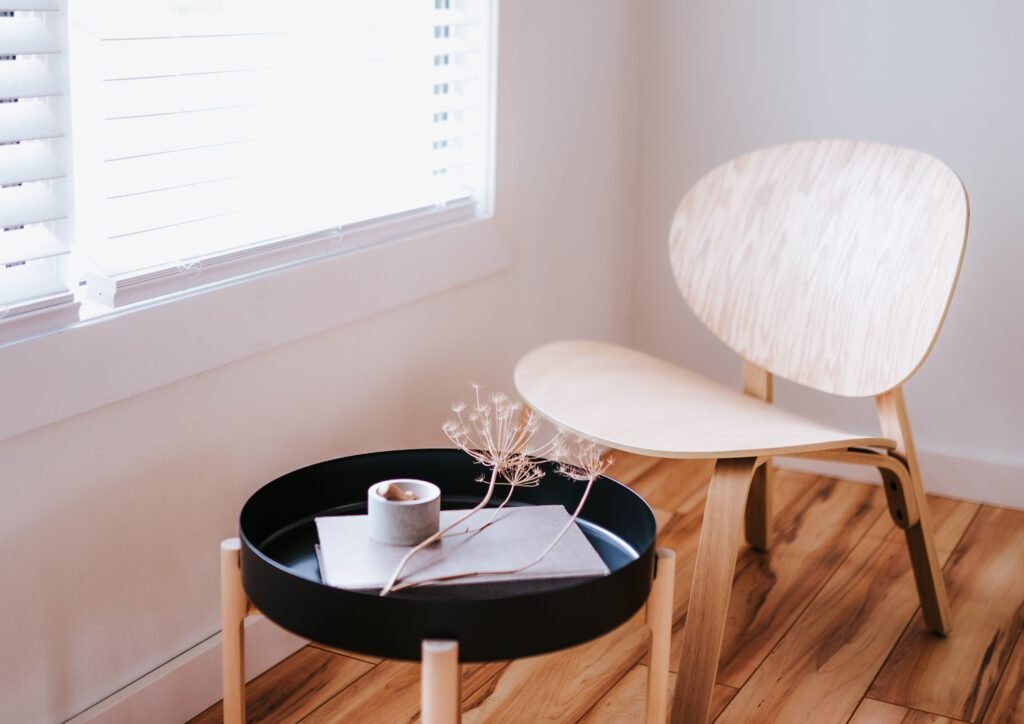
1. Simple, honest form. Shapes are clean and uncluttered, but not cold. Curves are gentle, corners are softened, and nothing is added just to impress. If a detail exists, it usually has a job to do.
2. Natural materials. Solid wood, veneer, wool, linen, leather and paper cord are typical. Surfaces are left to look like what they are rather than being hidden under heavy paint or glossy coatings.
3. Function first. A good Scandinavian piece is comfortable, stackable, lightweight, extendable or storage-smart, often all at once. Think of a dining table with extension leaves, or a chair light enough to move with one hand.
4. Lightness, visually and physically. Slim frames, raised legs and open space beneath sofas and cabinets let the floor show, which makes rooms look larger and brighter.
5. Visible craftsmanship. Joints, grain and stitching are treated as part of the beauty. You may see finger joints, dovetails or dowels left on show, and chair backs shaped to fit the human body.
6. Restrained colour, rich texture. The palette is quiet, so texture does the work: a nubby wool throw, a smooth oiled tabletop, the grain of ash against a linen cushion.
7. Comfort and warmth. The Danish concept of hygge, often described as cosy, relaxed togetherness, is part of the culture behind the furniture. Soft seating, sheepskins and warm wood tones keep minimalism from turning sterile.
8. Longevity over trend. Furniture is meant to be repaired, reoiled, reupholstered and passed on, not replaced every few years.
How to Recognise Authentic Scandinavian Furniture
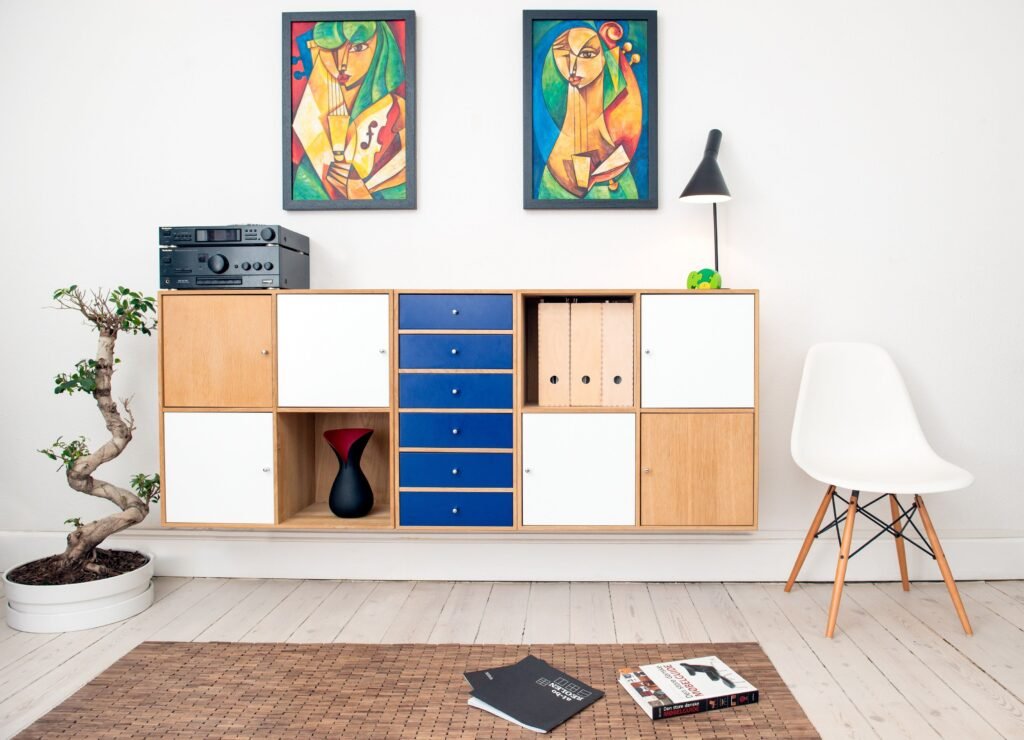
The label Scandinavian is used very loosely online. Plenty of pieces are Scandinavian-inspired, what is scandinavian furniture style meaning they borrow the look, while others were actually designed and made in the region. Both can be good buys, but it helps to know what you are looking at. Use this checklist:
- Legs and proportions. Look for slim, tapered or gently splayed legs and a frame that feels balanced rather than bulky. Legs should look like they belong to the piece, not added at the end.
- Joinery. Quality pieces use solid joints such as mortise and tenon, dovetails or finger joints rather than relying on staples and thick glue alone. Look under the seat and inside drawers.
- Edges. Edges are usually softly rounded, with a smooth, even finish. Sharp, unfinished edges suggest a cheaper copy.
- Wood and grain. Real timber or good-quality veneer shows natural variation in grain. A repeating, printed-looking pattern is a warning sign.
- Finish. A matte or satin oil, soap or low-sheen lacquer finish is typical. A thick, shiny plastic-looking coat is not.
- Weight and sturdiness. Press down on a seat or lean on a tabletop. Solid construction feels stable without wobble or creaks.
- Maker’s marks. Established makers such as Carl Hansen & Søn, Fritz Hansen, Fredericia and Artek stamp or label their pieces. For vintage items, ask for documentation or look for original labels, and be cautious about unmarked pieces sold at premium prices.
- The comfort test. Authentic design works for the body. Sit for several minutes: back support, seat height and arm position should feel natural.
Common Types of Scandinavian Furniture
Competitors often describe the style in general terms. In practice, it shows up differently in each type of furniture, so here is what to look for piece by piece.
Sofas
Scandinavian sofas are low to medium in height, with clean lines, slim legs (often wood) and firm, supportive cushions rather than overstuffed ones. Arms are usually simple, either slim and straight or softly rounded. what is scandinavian furniture style Fabrics such as wool blends, linen and tightly woven cotton are common. Modular and daybed styles are popular because they adapt to different rooms.
Lounge chairs and armchairs
The lounge chair is where Scandinavian craft shines. Expect wooden frames with sculpted armrests, woven seats or curved backs that hug the body. Wegner’s Papa Bear chair and Jacobsen’s Egg chair are famous examples, but simpler pieces with an oak or ash frame and a loose wool cushion follow the same logic.
Dining tables
Look for solid timber or veneered tops with softly rounded edges, what is scandinavian furniture style tapered legs and a visible grain. Round and oval tables are common because they encourage conversation and fit smaller rooms. Many are extendable, with leaves stored beneath or at the end, reflecting the function-first mindset.
Dining chairs
This is the category the style is best known for. Typical features include bentwood or moulded plywood seats and backs, thin but strong frames, woven paper cord seats and stackable forms. Chairs are meant to be light enough to carry and comfortable enough for a long meal.
Storage
Sideboards, shelving units and chests are often raised on legs, what is scandinavian furniture style with clean fronts, simple pulls or finger-grip handles and a mix of closed doors and open shelves. Modular wall systems and slim bookcases are common solutions for compact homes.
Beds
Bed frames tend to be low and simple, with a solid timber headboard or upholstered panel and no heavy ornament. Under-bed drawers or lift-up storage are common, and light woods like pine, birch and ash keep a bedroom feeling airy.
Lighting
Lighting is part of the furniture story. Poul Henningsen’s PH lamps were designed to reduce glare and spread soft, warm light, and that principle still guides the style. Look for diffused light, paper or opal glass shades, and simple wood, metal or ceramic bases.
Coffee tables, side tables and desks
These smaller pieces are ideal for beginners. what is scandinavian furniture style Choose a coffee table with a light timber top and slim legs, nesting side tables that can be pulled out when needed, and a compact desk with a clean surface and a drawer or two.
Materials Used in Scandinavian Furniture
Woods
| Wood | Look and feel | Best used for | Notes |
|---|---|---|---|
| Oak | Light to mid golden, strong grain | Dining tables, chairs, floors | Hard, durable and ages well |
| Ash | Pale, creamy, pronounced grain | Chair frames, curved parts | Strong and flexible, widely used by chair makers |
| Beech | Pale with a fine, even grain | Bentwood chairs, stools | Takes steam bending well; keep it away from damp |
| Birch | Pale, smooth, subtle grain | Plywood furniture, shelving | Very popular in Finnish design |
| Pine | Light, with visible knots | Beds, shelves, budget pieces | Softer, so it dents, but develops a pleasant patina |
| Teak | Warm reddish brown | Vintage mid-century sideboards and tables | Look for reclaimed or certified sources |
| Walnut | Dark and rich | Statement pieces, accents | Use sparingly to keep the look light |
Textiles and other materials
- Wool: durable, warm and naturally resilient, ideal for sofas, throws and rugs
- Linen and cotton: breathable and soft, good for cushions, curtains and slipcovers
- Leather: works well for lounge chairs and benches; vegetable-tanned leather develops a lovely patina
- Sheepskin: adds instant texture to a chair or bench
- Paper cord: a hand-woven cord used for chair seats, strong yet flexible
- Metal, glass and ceramic: used in small doses for lamp bases, table legs and handles
Finishes
Matte or satin finishes are the norm. Oil brings out the grain and can be refreshed over time; soap-treated surfaces give a pale, soft look and are common in traditional Scandinavian homes; water-based lacquer is a practical choice for hardworking tabletops. Avoid glossy, thick coatings if you want the authentic feel.
Construction
Good construction is invisible until something fails. Check solid-wood frames, corner blocks on chairs, mortise-and-tenon or dowel joints, and drawer runners that glide smoothly. what is scandinavian furniture style Veneer over a stable core is perfectly acceptable, and in fact standard in many classic pieces, as long as it is well applied.
Scandinavian Furniture Colours, Shapes and Finishes
Colour. Start with a base of warm white, soft grey or pale sand. Add wood tones for warmth, then limited accents: dusty blue, sage green, terracotta or charcoal. Black is used sparingly, often on metal legs, lamps or picture frames, to add definition.
Shape. Rounded corners, gently curved backs and tapered legs are signatures. Combine one or two curves with straight lines, so the room feels balanced rather than busy.
Pattern. Pattern is present but restrained: stripes, simple checks, and subtle geometric weaves. One patterned textile per seating area is usually enough.
Surface. Matte, tactile surfaces dominate. If a piece feels good to touch, it is probably on the right track.
How to Choose Scandinavian Furniture for Each Room
Living room
Start with a sofa in a calm neutral, then add one lounge chair in a contrasting wood or textile. A coffee table should sit at about the same height as the sofa seat or slightly lower, what is scandinavian furniture style roughly 40 to 45 cm (16 to 18 in). Keep at least 90 cm (3 ft) of walking space around furniture. Add a low sideboard or open shelving instead of a bulky wall unit.
Dining room
Choose a table that seats your usual number of people, with 60 cm (24 in) of width for each person. Table height is typically around 72 to 76 cm (28 to 30 in), with seat height about 44 to 47 cm (17 to 18.5 in) so legs fit comfortably. Round tables suit small spaces; extendable tables suit growing households.
Bedroom
A simple timber or upholstered bed, two light bedside tables and one storage piece (a chest or dresser) is enough. Leave space for natural light and consider a reading lamp with a warm, diffused glow.
Home office
A compact desk in light wood, an ergonomic chair that follows Scandinavian shapes, what is scandinavian furniture style and open shelving keep the room calm. Cable management and a good lamp matter more than extra decoration.
Hallway
A slim bench, a wall rack with simple hooks and a small shoe cabinet create a practical welcome. Hallways are a great place to try the style because the furniture list is short.
What to buy first
If you are starting from scratch, buy in this order:
- A good sofa or bed, because you use them every day
- A dining table and two or four chairs
- A lounge chair or reading chair
- Storage that reduces clutter, such as a sideboard or shelving
- Lighting and textiles, which transform the room at low cost
Scandinavian vs Nordic vs Japandi vs Mid-Century Modern Furniture
| Style | Main idea | Typical materials | Colour mood | How to tell it apart |
|---|---|---|---|---|
| Scandinavian | Light, functional, warm minimalism | Pale woods, wool, linen | Soft whites, greys, muted accents | Slim legs, soft curves, cosy textiles |
| Nordic | The wider regional tradition, including Finland and Iceland | Similar to Scandinavian, plus local birch and stone | Cool, fresh, natural | Often used as a broader term; Finnish plywood design is a good example |
| Japandi | A blend of Japanese and Scandinavian ideas | Darker woods, bamboo, paper, ceramic | Earthy, muted, deeper tones | Lower furniture, more black and dark brown, stronger focus on stillness |
| Mid-century modern | A mid-twentieth-century style with American and European roots | Teak, walnut, moulded plywood, metal | Warmer, bolder accents | More colour, more graphic shapes, sometimes bolder forms |
| Generic minimalist | Very little furniture and decoration | Often man-made | White, grey, black | Can feel cold because it lacks natural texture |
The overlap is real. Many famous mid-century designers were Scandinavian, so a vintage Danish sideboard can be correctly called both. The difference is in emphasis what is scandinavian furniture style: Scandinavian leans lighter and cosier, Japandi leans calmer and darker, and mid-century modern leans bolder.
Mixing Old and New Pieces
One of the best things about Scandinavian furniture is that it mixes beautifully with other eras. To do it well:
- Pick one hero piece. A vintage lounge chair or a statement table, then keep the rest simple
- Repeat a wood tone. If the hero piece is oak, echo it in a frame, a shelf or a lamp base
- Balance textures. Pair smooth wood with wool, linen or leather
- Use modern basics to support it. A new sofa in a calm neutral lets older pieces stand out
- Stay patient. The style grows over time; it is not meant to be bought in a single weekend
Budget Guide: How to Buy Scandinavian Furniture at Any Price
| Tier | What to look for | Where it makes sense |
|---|---|---|
| Secondhand and vintage | Solid wood chairs, sideboards and tables, what is scandinavian furniture style often needing only a light sand and reoil | Anywhere you want character and value; check joints and labels |
| Affordable high street | Simple, light-wood designs with clean lines and sturdy hardware | Beds, shelves, small tables, children’s rooms |
| Mid-range | Solid-wood frames, better upholstery and repairable construction | Sofas, dining tables and chairs you will use daily |
| Designer and heritage | Licensed designs from established makers, with documented craftsmanship | One or two lifetime pieces, such as a lounge chair or dining table |
A good rule is to spend more on things you touch every day (seating, beds, tables) and less on pieces that are easy to swap (side tables, shelves, accessories).
Common Mistakes to Avoid When Choosing Scandinavian Furniture
- Confusing minimal with empty. The style is warm and lived-in. Add textiles, plants and books.
- Going all white. A room with no wood or texture feels flat. Let natural material lead.
- Ignoring scale. Slim furniture suits small rooms, but a tiny table in a big room looks lost. Measure first.
- Buying only for looks. If a chair is uncomfortable, what is scandinavian furniture style it will not last in your home. Always test it.
- Choosing thin veneer or hollow construction at high prices. Check build quality, not just photographs.
- Filling every wall and surface. Leave breathing space so each piece can be seen.
- Mixing too many wood tones. Two or three related tones look intentional; five look random.
- Skipping lighting. Harsh overhead light spoils the mood. Use layered lamps with warm bulbs.
- Treating it as a one-time purchase. Build slowly, replacing what does not work.
Is Scandinavian Furniture a Good Choice for Small Homes?
Yes, and in many ways this is where the style started. what is scandinavian furniture style Scandinavian cities have long had compact apartments, so designers learned how to make furniture that is small, light and multi-purpose.
Small-space checklist
- Choose furniture with visible legs so floor space shows beneath
- Prefer round or oval tables, which are easier to walk around
- Use stackable or folding chairs for guests
- Look for sofas with storage or daybeds with drawers
- Pick wall-mounted shelves or tall, narrow bookcases to use vertical space
- Keep colours light and consistent so the room reads as one calm space
- Use mirrors and pale curtains to reflect light
- Measure doors, stairs and hallways before ordering large pieces
Care, Durability and Sustainability
Caring for wood. Oiled surfaces can be refreshed every year or two with a suitable oil. Wipe spills quickly, use coasters, and keep wood away from radiators and constant direct sun to avoid drying or colour change.
Caring for textiles. Vacuum upholstery regularly, rotate cushions, and follow the maker’s cleaning instructions. Wool is naturally resilient but should still be protected from harsh chemicals.
Caring for leather. Dust it and condition lightly once or twice a year. Scratches soften with use and become part of the character.
Sustainability. Durable furniture is more sustainable when it lasts decades, so buying fewer, better pieces and repairing them is a good place to start. When buying new timber furniture, what is scandinavian furniture style look for credible certification such as FSC or PEFC, and ask where and how the wood was sourced. Be sceptical of vague green claims, and treat them like any other claim: ask for evidence.
FAQs About Scandinavian Furniture Style
What is Scandinavian furniture style?
It is a design approach from Denmark, Sweden and Norway, known for simple lines, natural materials, careful craftsmanship and everyday function, with a warm, comfortable character.
What are the main characteristics of Scandinavian furniture?
Slim legs, soft curves, light woods, matte finishes, natural textiles, visible joinery, comfort and long-lasting construction.
What wood is commonly used in Scandinavian furniture?
Oak, ash, beech, birch and pine are the most common, while teak and walnut appear in vintage and statement pieces.
What is the difference between Scandinavian and Japandi furniture?
Japandi blends Scandinavian and Japanese ideas, using darker woods, lower furniture and a calmer, more earthy mood. Scandinavian is lighter and cosier.
Is Scandinavian furniture good for small spaces?
Yes. Slim frames, raised legs, multi-purpose pieces and light colours make small rooms feel bigger.
What colours work best with Scandinavian furniture?
Warm whites, soft greys, sand and pale wood tones, plus muted accents like blue, green, terracotta and charcoal.
Final Thoughts
Scandinavian furniture style is not a trend to copy but a way of thinking: make things well, keep them simple, use natural materials and design for the people who will live with them. When you shop with those principles in mind (checking joints, testing comfort, choosing timeless forms and building slowly), you end up with furniture that feels calm today and still looks right decades from now.
Start small. Choose one well-made chair, one lamp that warms the room and one honest wooden table, and let the rest follow. That is what the style has always been about.