How to Organize Garage: 10 Practical Steps, Smart Storage Ideas & Safety Tips

how to organize garage Makes Everyday Life Easier
Most garages do not start out messy. They fill up slowly: a box of leftovers from a move, a bike nobody rides, half-used paint cans, holiday decorations, then the car gets pushed out to the street. If that sounds familiar, you are in good company.
Learning how to organize a garage is not about buying the most shelves or copying a perfect photo. It is about answering three simple questions: What do you actually need? Where should each thing live? How will you keep it that way?
A well-organized garage can:
- Let you park a vehicle again, or finally create room for a workbench or gym corner
- Save time, because you can find tools and gear in seconds
- Reduce safety risks such as falling shelves, tripping hazards and badly stored chemicals
- Protect belongings from damp, heat, pests and crushed boxes
- Help you avoid buying duplicates of things you already own
This guide is a complete start-to-finish plan that works for a one-car garage, a two-car garage, a narrow urban space or a rented unit. You will find a measuring guide, zone layouts, how to organize garage a comparison of storage systems, budget options, item-by-item storage advice, safety rules and a simple maintenance routine. It is written for readers around the world, so we avoid assuming a specific brand, climate or building style.
Quick-start version (if you only have a weekend)
- Empty one section at a time and sort everything: keep, donate, recycle, dispose.
- Measure the space and sketch your zones.
- Install wall and shelf storage first, then bins and labels.
- Put heavy items low, hazardous items secured, and daily-use items at easy reach.
- Set a 10-minute weekly reset.
Step 1: Set a Goal and Measure Your Garage

Before you move a single box, decide what the garage needs to do. how to organize garage Be specific. “Park one car and store bikes, tools and seasonal items” is a better goal than “get organized.”
Common goals
- Park one or two vehicles and keep walking space around them
- Create a tool and DIY area
- Store sports and outdoor gear
- Hold seasonal and household overflow
- Add a small workshop, laundry area or home gym
Measure floor space, ceiling height and vehicle clearance
A quick measuring session prevents expensive mistakes. Write down:
- Width and depth of the garage
- Ceiling height, including the lowest point under beams, pipes or the garage door when open
- Vehicle length and width, plus the space needed to open car doors fully
- Walking path: leave a clear route from the car to the house door and to the garage door
A useful rule of thumb is to keep storage out of the area where car doors swing open. how to organize garage Mark the car’s parking position with tape on the floor, then plan storage around that footprint.
Identify fixed obstacles, doors, utilities and walkways
Sketch a simple top-down map and mark everything you cannot move:
- Garage door tracks, springs and opener rails
- Electrical panel and meter (always keep clear access)
- Water heater, furnace or boiler (keep flammable items away)
- Windows, side doors and light switches
- Water taps, drains and sloping floors
This one-page drawing becomes your zone planner in Step 3.
Printable measurement worksheet (copy this into your notes)
| What to measure | Your number |
|---|---|
| Garage width | |
| Garage depth | |
| Lowest ceiling height | |
| Vehicle length and width | |
| Space needed beside doors | |
| Clear wall length available | |
| Obstacles (panel, heater, tracks) |
Step 2: Declutter Before Buying Storage
The most common mistake is buying storage first. Shelves and bins simply organize clutter. how to organize garage Declutter first and you will almost always need less storage than you expected.
Pick a dry day and pull items out in sections, or if the garage is huge, work in zones. Lay things on a tarp or driveway so you can see what you have.
Sort items into keep, donate, recycle and dispose
Use four piles and ask quick questions:
- Keep: Have I used this in the last year? Will I use it in the next season? Is it in working condition?
- Donate or sell: Is it still useful but not for me? Sports gear, furniture, working tools and kids’ items are often welcome at charities.
- Recycle: Cardboard, metal, old electronics and batteries, using your local collection points.
- Dispose: Broken items, expired products and anything unsafe.
Be especially honest about “someday” items. how to organize garage If you have not touched something in two years and it has no sentimental or seasonal purpose, it is probably taking up valuable space.
Hazardous items need a separate plan. Old paint, solvents, pesticides, fuels, car batteries and propane cylinders should not go into regular trash. Contact your local waste authority or recycling center for the right drop-off.
What should not be stored in a garage?
Garages usually are not climate-controlled. Temperature swings, damp and pests can damage or spoil some items. Think twice before storing:
| Item | Why it is a problem in many garages |
|---|---|
| Important documents and photos | Humidity, mold and pests can destroy paper |
| Food, pet food and birdseed | Attracts rodents and insects |
| Electronics and instruments | Heat, cold and damp can damage them |
| Leather, fabrics and upholstered furniture | Prone to mold and mildew |
| Mattresses | Absorb moisture and attract pests |
| Paint and some liquids | Can spoil if frozen or overheated |
| Propane cylinders and similar fuels | Follow local fire guidance; many authorities advise against indoor or attached-garage storage |
| Medications and cosmetics | Heat can reduce effectiveness |
If your garage is well insulated and dry, some of these may be fine, but when in doubt, move valuable or sensitive items inside.
Step 3: Divide the Garage Into Functional Zones

A zone is a dedicated area for a type of activity or item. Zoning is what turns a pile of storage products into a system that makes sense. Place items by how often you use them and how heavy or dangerous they are.
- Daily and weekly items: easy reach, between knee and shoulder height, near the door you use most
- Seasonal items: higher shelves, overhead storage or the back of the garage
- Heavy items: low and stable
- Hazardous items: locked or high enough to be out of reach of children and pets, and away from heat sources
Tools and DIY zone
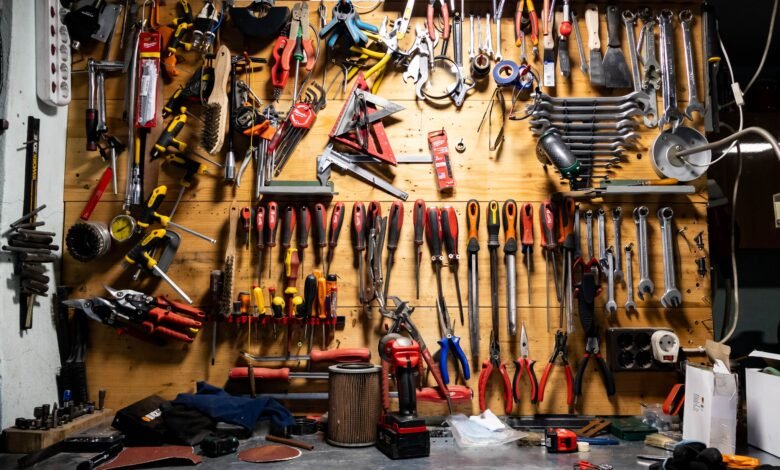
Keep hand tools, power tools, fasteners and a workbench together, how to organize garage ideally near an electrical outlet and good light. Put frequently used tools on a wall system and store power tools and batteries in labeled cases or drawers.
Sports and outdoor gear zone
Group balls, helmets, bikes, camping gear and water toys. Hooks, how to organize garage wall racks and open bins work well here because kids and adults can grab and return items easily.
Garden and automotive zone
Store garden tools, hoses and potting supplies near the garage door that opens to the yard. Keep car-care products, jumper cables and tire gear together on a low shelf away from heat.
Seasonal and household overflow zone
Holiday decorations, camping items, spare household supplies and luggage fit here. how to organize garage Use sealed, clear bins with labels, and put the container for the next season at the front.
Example zone layouts
| Garage type | Suggested layout |
|---|---|
| One-car garage | Car on one side; storage along the back and one side wall; workbench only if width allows |
| Two-car garage | Park one car and use the other bay as a workspace or storage; or keep both bays clear and use back and side walls |
| Narrow or deep garage | Use the long wall for shelving and rails; keep a single walking lane; store rarely used items at the far end |
| Shared or rental garage | Use freestanding shelving and wall-friendly or non-drilling options; label areas per person |
| Garage workshop | Workbench against the longest wall, tools above, sawdust and chemicals separated from stored household items |
Step 4: Choose the Right Garage Storage Solutions
Only now should you shop. Use your measurements, how to organize garage zones and declutter results to decide what you need. Here is how the main options compare, without favoring any brand.
Shelving, cabinets and modular systems
| Option | Best for | Pros | Cons |
|---|---|---|---|
| Open shelving (metal) | Bins, heavy items, paint | Strong, easy to adjust, good airflow | Items are visible and can look cluttered |
| Open shelving (resin or plastic) | Light to medium loads, damp spaces | Resistant to rust | Lower load limits, can warp in heat |
| Closed cabinets | Chemicals, tools, anything you want hidden | Tidy, can lock | Take more space and cost more |
| Modular wall systems | Mixed items on walls, flexible layouts | Adjustable, clears the floor | Need correct installation |
Before buying shelving, check the load rating per shelf, the depth (so it will not block the car) and the material. how to organize garage Deeper shelves hold more but can become black holes, so for most uses medium depth with bins works best.
Pegboards, slatwall, tracks and hooks
| System | Best for | Notes |
|---|---|---|
| Pegboard | Hand tools, small items | Inexpensive and flexible, but hooks can fall out and weight limits are modest |
| Slatwall | Mixed items, sports gear | Holds more variety with accessories, usually costs more |
| Rail or track systems | Heavy tools, ladders, garden equipment | Strong and adjustable when properly anchored |
| Individual hooks | Bikes, hoses, cords, ladders | Cheap and effective; choose hooks rated for the item’s weight |
Wall systems must be fixed into suitable structure: wall studs, how to organize garage solid masonry with the correct anchors, or concrete using appropriate fasteners. Different wall materials need different hardware, so read the product instructions or ask a qualified installer.
Ceiling and overhead storage: when is it safe?
Overhead racks use dead space, but they carry real risk if installed poorly. Safe use depends on:
- Structure: Attach only to ceiling joists or beams that can carry the load, not to plain drywall
- Rated capacity: Never exceed the manufacturer’s limit, and remember the rack’s own weight
- Clearance: Keep enough height for vehicles, the garage door and its tracks when open
- Contents: Store light, bulky, seasonal items, not heavy tools or anything you need often
If you are unsure about your ceiling, get a qualified installer or builder to check. This is not a place for guesswork.
Bins, baskets, labels and small-item organizers
- Clear bins let you see contents and are great for seasonal items
- Opaque bins hide visual clutter but need good labels
- Lidded, stackable bins protect against dust and pests
- Labels should be large and consistent. Label the side, not only the top, so you can read them when stacked.
- Small containers such as jars, drawers and magnetic strips keep screws, nails and fasteners from getting lost
Step 5: Organize a Small Garage Without Losing Parking Space
Small garages need smarter use of height rather than floor space. Try these steps:
- Go vertical. Use the wall above hip height for racks, rails and shelves, keeping the floor clear.
- Use the door-side walls and the space above the garage door (if the opener and tracks allow) for light items.
- Choose shallow shelves along the side walls so car doors can still open.
- Mount bikes and ladders on the wall or ceiling so they leave the floor free.
- Use rolling carts for tools and supplies that need to move to the driveway or work area.
- Pick multipurpose pieces such as a folding workbench or a bench with built-in storage.
- Store seasonal items elsewhere if you can, such as a loft, shed or storage unit.
Renters and no-drill solutions
If you cannot drill into walls:
- Use freestanding shelving that does not need to be fixed (place heavy items low and keep it stable, how to organize garage and consider whether it needs to be restrained)
- Choose heavy-duty rolling racks
- Use over-the-door or door-mounted organizers where they fit
- Use tension-based or freestanding frames and approved adhesive hooks for light items only
- Ask your landlord if limited drilling is allowed
Step 6: Garage Organization Ideas on a Budget
You do not need to spend a lot. Here is a practical budget ladder, from free to premium:
| Level | Ideas |
|---|---|
| Free | Declutter, rearrange, repurpose sturdy boxes or crates, use a wall corner for hooks you already own, set up zones |
| Low cost | Hooks, simple shelves, plastic bins, labels, pegboard, second-hand shelving |
| Mid-range | Modular wall systems, sturdy metal shelving, cabinets, a basic workbench |
| Premium | Custom cabinetry, specialist flooring, professionally installed overhead racks |
What gives the best value for money? In most garages it is good wall storage for the heaviest or bulkiest items (bikes, ladders, garden tools) because it frees up floor space. how to organize garage Prices vary a lot by country and season, so compare local options and avoid assuming a fixed cost.
Money-saving tips
- Declutter and sell items before buying storage
- Buy shelving that is adjustable, so it grows with your needs
- Re-use sturdy containers you already have
- Prioritize safety items (secure shelving, hazard storage) over decoration
- Add upgrades gradually rather than all at once
How to Store Common Garage Items Safely
| Item | How to store it |
|---|---|
| Bikes | Wall hooks or racks rated for weight; hang from the wheel or use a wall mount; keep pedals from catching people |
| Ladders | Horizontal wall brackets or hooks; secure so they cannot fall; keep out of walkways |
| Power tools | Original cases or labeled bins on shelves; store batteries cool and dry |
| Hand tools | Pegboard, rail or drawers, grouped by task; outline or label places |
| Sports equipment | Open bins, mesh bags, wall racks; air out wet gear first |
| Garden tools | Wall rail near the exit; clean before storing; secure sharp tools |
| Hoses and cords | Hose reel or large hook; loosely coiled to avoid kinks |
| Seasonal decorations | Clear lidded bins, labeled by holiday, on upper or back shelves |
| Paint | Sealed, upright, labeled, away from temperature extremes |
| Fuels and chemicals | Original or approved containers, tightly closed, away from heat and children, following local rules |
| Recycling and trash bins | Near the exit, with a dedicated spot so they do not creep into walkways |
Garage Safety: Weight Limits, Chemicals, Fire and Clear Walkways
A garage can be one of the riskier spaces in a home. Organizing is the perfect moment to fix that.
- Anchor tall shelving to wall structure to prevent tipping, especially where children are present.
- Respect load ratings. Check manufacturer limits on shelves, hooks, rails and racks. Spread weight evenly, and put heavy items on low shelves.
- Keep exits and the electrical panel clear. You should be able to reach it immediately in an emergency.
- Keep flammables away from heat sources and ignition. Water heaters, furnaces, sparks from tools and pilot lights are all risks. how to organize garage Store fuels and solvents in approved containers according to local guidance.
- Control access. Use cabinet locks or high shelves for chemicals, sharp tools and anything harmful to children or pets.
- Do not block vehicle paths or the garage door safety sensors.
- Be careful with ladders and overhead loads. Never store heavy items where they could fall on someone.
- Keep a fire extinguisher and a basic first-aid kit within reach, and make sure smoke or carbon monoxide alarms are installed as local rules recommend.
- Never run a vehicle engine in a closed garage. Carbon monoxide is deadly.
For anything structural, like ceiling racks or heavy wall systems, how to organize garage use a qualified installer. Safety rules and building codes differ between countries, so check your local requirements.
Protect Your Belongings From Damp, Heat and Pests
Garages can quietly damage stored items. A few habits prevent most problems:
- Lift items off the floor. Use shelves or pallets to avoid damp and small leaks.
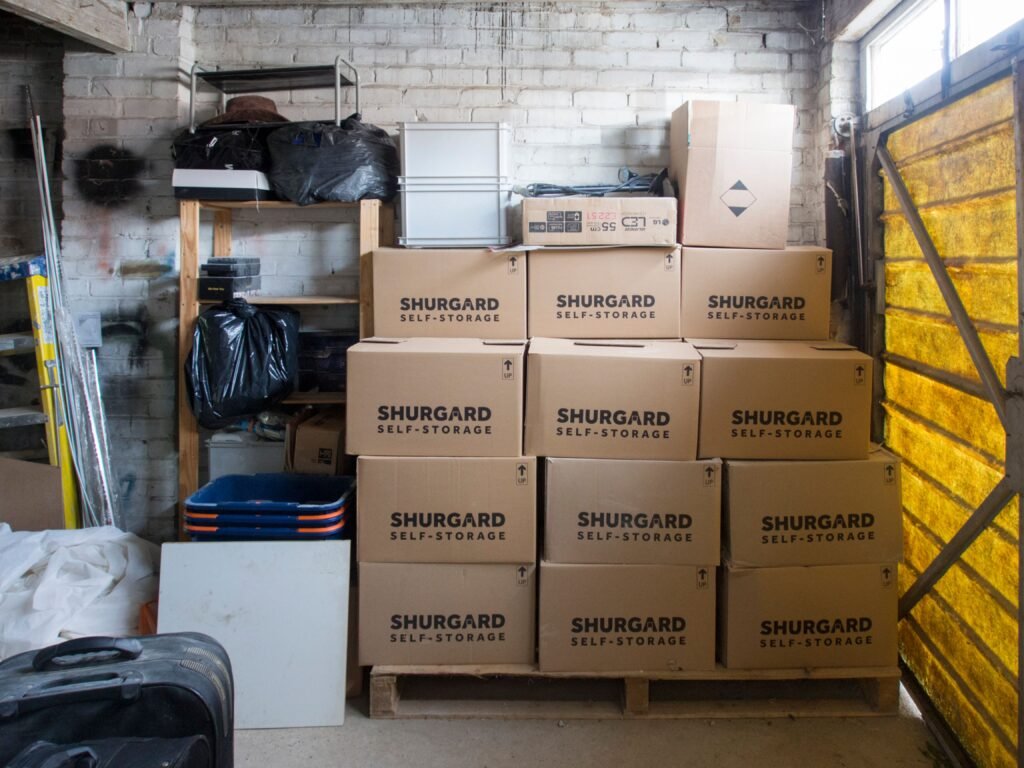
- Avoid cardboard for long-term storage. It absorbs moisture and attracts pests. Use sealed plastic or metal containers.
- Control humidity. Fix leaks, improve ventilation, and consider a dehumidifier or moisture absorbers in damp climates.
- Block pests. Seal gaps around doors, keep food out, how to organize garage use lidded bins and clear away clutter that provides hiding places.
- Think about temperature. Extreme heat or cold can damage batteries, paint, plastics, adhesives and electronics.
- Keep the floor clean. Sweep regularly, and clean up oil or chemical spills promptly according to product directions.
How to Keep Your Garage Organized All Year
An organized garage is a habit, not a one-time project.
- 10-minute weekly reset: put things back in their zones, flatten boxes, empty the recycling.
- Monthly check: look for leaks, pests, loose hooks and overloaded shelves.
- Seasonal swap: twice a year, rotate seasonal items to the front or back.
- One-in, one-out rule: when something new comes in, something old goes out.
- Donation box: keep a box by the door and drop in items you no longer need.
- Label updates: change labels when contents change.
- Annual declutter: do a quick review once a year.
Printable decluttering and shopping checklist
- Set a goal for the garage
- Measure space, ceiling and vehicle clearance
- Sketch a zone plan
- Sort into keep, donate, recycle, dispose
- Dispose of hazardous items properly
- Clean the floor and walls, repair leaks
- Buy only what the plan needs
- Install wall and shelf systems safely
- Store heavy items low
- Secure chemicals and sharp tools
- Label everything
- Schedule the weekly reset
Troubleshooting: Tricky Garage Situations
| Problem | What to try |
|---|---|
| Cannot drill into walls | Freestanding shelving, rolling racks, how to organize garage over-the-door organizers, light-use adhesive hooks |
| Concrete or block walls | Use the correct masonry anchors and a suitable drill; or choose freestanding units |
| Low ceiling | Skip overhead racks; use wall storage and low shelves |
| Damp garage | Raise items, use plastic bins, fix leaks, add ventilation or a dehumidifier |
| No space for a car and storage | Store bikes and ladders on walls, use shallow shelves, move seasonal items off-site |
| Shared family space | Give each person a labeled zone and a bin; set simple rules |
| Very limited budget | Declutter first, reuse containers, add hooks and basic shelves gradually |
Common Garage Organization Mistakes to Avoid
- Buying storage before decluttering. You will end up organizing things you do not need.
- Skipping measurements. Shelves that block the car door or do not fit are a common waste of money.
- Putting heavy items up high. This is a safety risk and a back strain.
- Ignoring load ratings and wall type. Wrong hardware leads to falling shelves.
- Storing chemicals carelessly. Keep them secured, sealed and away from heat and children.
- Using cardboard in damp spaces. It breaks down and invites pests.
- Overfilling shelves and bins. If you cannot reach it easily, you will not put it back.
- Forgetting maintenance. Without a routine, clutter returns quickly.
- Blocking the electrical panel or exits. These must stay clear.
- Copying a showroom photo. Design for your own habits, items and garage size.
Frequently Asked Questions
How do I start organizing a messy garage?
Start by deciding the garage’s purpose and measuring the space. Then empty it in sections, sort items into keep, donate, recycle and dispose, and only then plan zones and storage.
How can I organize a garage with no storage space?
Use vertical space. Wall hooks, rails, slim shelves and overhead racks (installed safely) free the floor. Declutter hard, and move seasonal or rarely used items elsewhere if possible.
What is the best way to organize a small garage?
Keep the floor clear, use shallow wall-mounted storage, hang bikes and ladders, add a rolling cart and choose multipurpose furniture. Avoid anything that blocks car doors.
How do I organize a garage on a tight budget?
Declutter first, reuse sturdy containers, add inexpensive hooks and shelves, and buy only what your plan requires. Prioritize safety and wall storage for bulky items.
How should I divide a garage into storage zones?
Group items by activity (tools, sports, garden, seasonal) and place them by frequency of use. Keep daily items at easy reach, heavy items low and hazardous items secured.
What should you not store in a garage?
Avoid documents, photos, food, electronics, mattresses, upholstery and anything damaged by heat, cold, damp or pests. Check local guidance for fuels, propane and chemicals.
Is it safe to store heavy items on overhead garage racks?
Only if the rack is installed into suitable structure and the load is within the manufacturer’s rating. In general, store light, bulky seasonal items overhead and keep heavy things low. If unsure, ask a qualified installer.
How do I store bikes, ladders and garden tools?
Use wall hooks, brackets or rails rated for the weight. Hang bikes by the wheel or frame, mount ladders horizontally and secure them, and keep garden tools on a rail near the exit.
How can I keep moisture and pests away from stored items?
Lift items off the floor, use sealed plastic bins, fix leaks, improve ventilation, keep food out and seal gaps. Avoid long-term cardboard storage.
How often should I declutter or reorganize my garage?
Do a quick reset weekly, a seasonal rotation twice a year and a full declutter once a year.
Final Throught: Your Garage Plan in One Page
The best way to organize a garage is simple: measure first, declutter before you buy, set zones by how you use things, choose safe storage that fits your walls and budget, and build a small habit to keep it going. You do not need a perfect makeover. A clear floor, heavy items stored low, hazardous items secured and a label on every bin already beats most garages.
Start with one section today. In a weekend, you can move from a cluttered corner to a space that works for your car, your tools and your life.