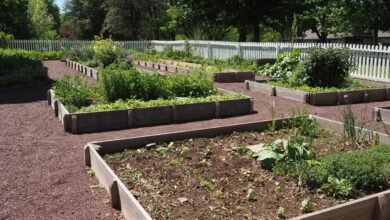
If you have ever wondered how to start a flower garden without wasting money or killing every plant you buy, you are in the right place. A flower garden does not need a big yard, expensive tools or years of experience. It needs a sunny spot, decent soil, the right flowers for your climate and a simple plan. This guide walks you through every stage, from choosing a location to your first blooms and your first full year of care. Every measurement is given in both metric and imperial units, and the advice works whether you garden in a cold temperate region, a hot dry area or the tropics.
Here is how to start a flower garden in six moves: (1) pick a spot with at least 6 hours of sun, (2) test and improve your soil, (3) choose easy flowers suited to your climate, (4) sketch a simple layout with tall plants at the back, how to start a flower garden (5) plant at the right season, and (6) water, mulch and deadhead regularly. Start small, around 1.2 x 2 m (4 x 6 ft), and expand next season.
What You Need Before You Start a Flower Garden

Beginners often buy plants first and think later. Flip that order. A little preparation saves more money than any gardening trick.
Basic tools
You can start with five items:
- A hand trowel for planting
- A garden fork or spade for loosening soil
- A watering can with a rose (sprinkler) head, or a hose with a gentle spray nozzle
- Pruning snips for deadheading and cutting flowers
- Gardening gloves
Skip the fancy extras for now. You can add a wheelbarrow, how to start a flower garden soil thermometer or drip irrigation kit once you know the hobby suits you.
A realistic budget
A first flower bed of about 2.4 square metres (25 sq ft) can be very affordable if you buy seeds and a few starter plants instead of fully grown specimens. Seeds are the cheapest option, how to start a flower garden small plants (plugs or seedlings) cost a little more but give faster results, and mature plants in large pots cost the most. A mix of seeds and a handful of seedlings is a smart compromise for beginners.
Time commitment
Be honest about how much time you have. A small bed needs roughly 20 to 30 minutes twice a week during the growing season for watering, weeding and deadheading. If that sounds like too much, how to start a flower garden choose a smaller bed or a few large containers. A small, well-kept garden always looks better than a large, neglected one.
Step 1: Choose the Best Spot for Your Flower Garden
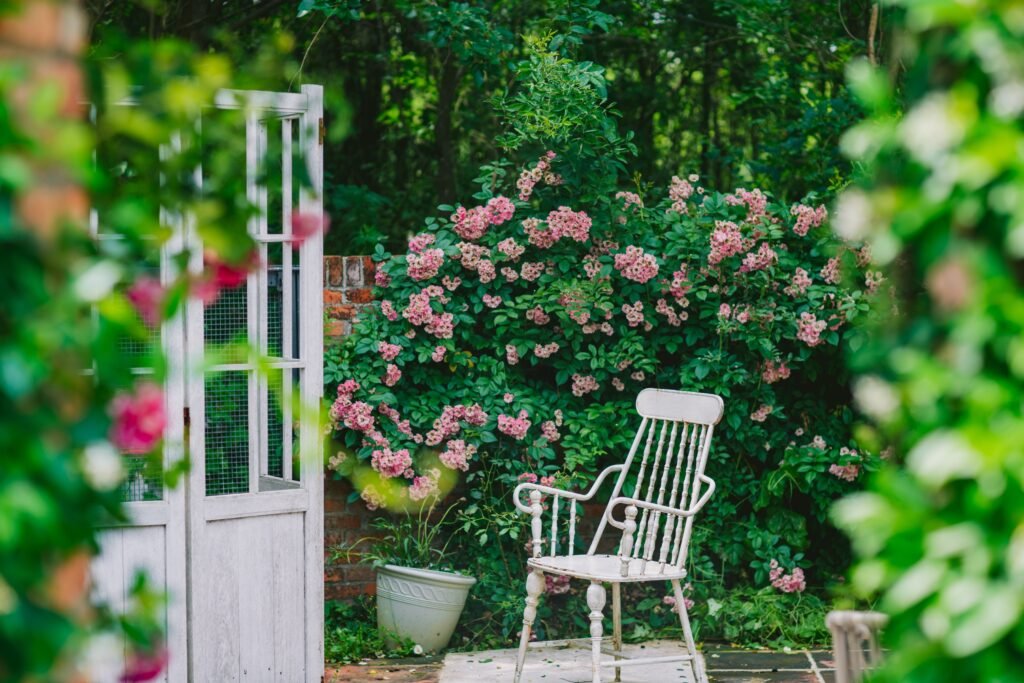
Location decides more than any other factor whether your flowers thrive.
Check the sunlight
Most popular flowers need full sun, which means at least 6 hours of direct light per day. how to start a flower garden Before you dig anything, observe your yard on a clear day. Note the light at 9 am, 12 noon and 3 pm. Trees, fences and buildings can create shade you did not expect.
- Full sun: 6 or more hours of direct sunlight. Best for zinnias, marigolds, sunflowers, cosmos, lavender and most roses.
- Part shade: 3 to 6 hours, ideally morning sun and afternoon shade. Suits begonias, impatiens, foxgloves and hostas.
- Full shade: Less than 3 hours. Choose shade lovers such as ferns, hostas and astilbe, but expect fewer flowers.
In hot climates, afternoon shade can actually help flowers survive peak summer heat, even for plants labelled “full sun”.
Pick a sensible size
Resist the urge to dig a huge bed in your first season. A bed of 1.2 x 2 m (4 x 6 ft) is plenty to experiment with, and you can reach the middle from both sides without stepping on the soil. If you want a border along a fence or wall, a depth of 60 to 90 cm (2 to 3 ft) works well.
Look at drainage and access
Flowers hate “wet feet”. After a heavy rain, watch how quickly water drains. If puddles sit for more than a few hours, choose another spot or plan a raised bed. Also make sure a hose or watering can reach the bed easily, how to start a flower garden because gardens placed too far from water tend to get neglected. Finally, choose a place you can see from a window or patio. You will enjoy it more and notice problems sooner.
Before you dig: check for hidden hazards
Call your local utility locating service or check property plans to confirm there are no buried pipes or cables where you plan to dig. how to start a flower garden This is a simple safety step that many beginners skip.
Step 2: Know Your Climate and Growing Season
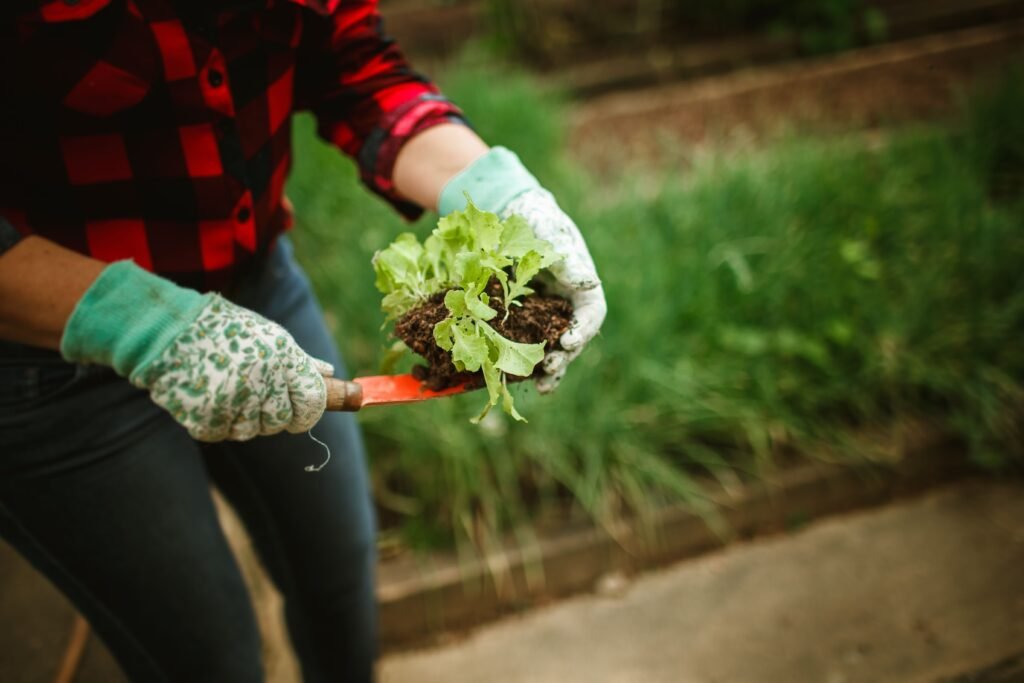
This is the step most beginner guides skip, how to start a flower garden and it is the reason many first gardens fail. A flower that thrives in London may die in Karachi or Sydney. Learn your climate first, then pick plants.
Understand your hardiness zone or climate type
In the United States, the USDA Hardiness Zone map tells you how cold your winters get. In the UK and Europe, gardeners use RHS hardiness ratings (H1 to H7). Many other countries have similar local systems. how to start a flower garden Search “[your country] plant hardiness zones” to find yours. Check the plant label or seed packet: if it lists a zone, make sure yours falls within it.
If no zone system exists where you live, think in simple climate terms:
| Climate type | What it feels like | Best strategy |
|---|---|---|
| Cold temperate | Cold winters, mild summers | Plant after the last frost; choose hardy perennials and spring bulbs |
| Warm temperate / Mediterranean | Mild winters, hot dry summers | Choose drought-tolerant flowers; water deeply but less often |
| Hot and arid | Very hot summers, low rainfall | Plant in the cool season; mulch heavily; use shade cloth in summer |
| Subtropical | Hot humid summers, mild winters | Two seasons: warm-season annuals in summer, cool-season annuals in winter |
| Tropical | Warm all year, wet and dry seasons | Plant at the start of the rains; choose heat- and humidity-tolerant flowers |
Find your frost dates (if you have frost)
Your average last spring frost and first autumn frost dates set your growing window. how to start a flower garden Local weather services, university extension offices and gardening websites publish these dates. Use them as a guide, not a guarantee, because weather varies year to year.
Northern vs southern hemisphere timing
Seasons are reversed in the southern hemisphere, so “plant in spring” means September to November there, not March to May. Always translate advice into your local season rather than a calendar month.
Growing season for hot climates
If you live somewhere with very hot summers and mild winters (for example much of South Asia, the Middle East, northern Africa or parts of Australia), your main flower season is often the cool months, roughly October to March. Cool-season flowers such as petunias, pansies, snapdragons, calendula, how to start a flower garden sweet peas and dianthus perform best then. In summer, switch to heat-lovers such as zinnias, marigolds, portulaca, vinca and sunflowers, and give them afternoon shade if temperatures are extreme.
Step 3: Prepare the Soil
Healthy soil is the foundation of a flower garden. Most flowers prefer loose, well-drained soil rich in organic matter.
Test your soil
A soil test tells you the pH (acidity) and nutrient levels of your soil. Many local agricultural or university labs offer low-cost tests, and home kits are available at garden centres. how to start a flower garden Most flowers grow well in a pH between 6.0 and 7.0. If you cannot test, use the simple squeeze test: pick up a handful of moist soil and squeeze it.
- Sticks together in a hard lump: Probably clay. It holds nutrients but drains slowly.
- Falls apart immediately: Probably sandy. It drains fast but dries out quickly.
- Forms a loose ball that crumbles when poked: Good loam, the ideal garden soil.
Test the drainage
Dig a hole about 30 cm (12 in) deep and fill it with water. how to start a flower garden Let it drain, then fill it again. If the second filling takes more than about 4 hours to drain, you have a drainage problem. Solve it by raising the bed 15 to 20 cm (6 to 8 in) or building a raised bed.
Clear and loosen the area
- Remove grass, weeds, large stones and roots. Pull perennial weeds out by the root, because leftovers will regrow.
- Loosen the soil with a fork to a depth of 25 to 30 cm (10 to 12 in).
- Do not dig when the soil is soggy. Digging wet soil damages its structure and creates hard clumps.
Add compost
Spread 5 to 10 cm (2 to 4 in) of compost over the bed and mix it into the top 15 cm (6 in). Compost improves drainage in clay, helps sandy soil hold water and feeds plants slowly. how to start a flower garden If your soil test shows specific deficiencies, add the right amendment according to the package directions. Rake the surface smooth, and your bed is ready.
No-dig alternative
If digging is hard for you, try the no-dig method: cover the area with a layer of plain cardboard, wet it, and pile 10 to 15 cm (4 to 6 in) of compost on top. Plant directly into the compost. how to start a flower garden The cardboard smothers weeds and breaks down over a few months. This method is gentle on soil life and great for people with back problems.
Step 4: Choose Easy Flowers for Beginners
The best flowers for your first garden are forgiving, fast and suited to your climate. Here are reliable choices from around the world.
| Flower | Type | Sun | Best climate | Why beginners like it |
|---|---|---|---|---|
| Zinnia | Annual | Full sun | Warm to hot | Fast from seed, blooms for months, loved by butterflies |
| Marigold | Annual | Full sun | Most climates | Tough, cheap, tolerates heat and poor soil |
| Cosmos | Annual | Full sun | Most climates | Easy from seed, thrives on neglect |
| Sunflower | Annual | Full sun | Most climates | Big, fast, fun for kids |
| Nasturtium | Annual | Sun to part shade | Mild to warm | Grows in poor soil, edible flowers |
| Sweet alyssum | Annual | Sun to part shade | Cool to mild | Fragrant ground cover, long bloom |
| Calendula | Annual | Full sun | Cool season | Hardy, blooms in cool weather |
| Sweet pea | Annual climber | Full sun | Cool season | Fragrant, great for cutting (needs support) |
| Petunia | Annual | Full sun | Mild to warm | Colourful, good for pots and borders |
| Coneflower (Echinacea) | Perennial | Full sun | Temperate | Returns each year, attracts pollinators |
| Black-eyed Susan (Rudbeckia) | Perennial | Full sun | Temperate | Low maintenance, long bloom |
| Daylily | Perennial | Sun to part shade | Wide range | Very tough, spreads slowly |
| Lavender | Perennial shrub | Full sun | Mediterranean, dry | Fragrant, drought-tolerant, needs sharp drainage |
| Daffodil | Bulb | Sun to part shade | Cold to temperate | Plant in autumn, returns yearly |
Annuals, perennials and bulbs: what is the difference?
- Annuals complete their life cycle in one season. They bloom heavily and quickly, which makes them ideal for a first garden, but you replant them each year.
- Perennials return for several years. They often bloom for only a few weeks each year, and many need a year or two to establish before putting on a full show.
- Bulbs store energy underground. Spring bulbs (tulips, daffodils) are planted in autumn, and summer bulbs (dahlias, gladiolus) are planted after the last frost.
A smart beginner garden combines mostly annuals for instant colour with a few perennials for long-term structure.
How many plants should you pick?
Choose three to five types of flowers for a small bed. Too many varieties makes the garden look messy and harder to manage. how to start a flower garden Pick a mix of heights (tall, medium, short) and bloom times (early, middle and late season) so something is flowering throughout the season.
Buy healthy plants
When buying from a nursery, look for compact, green plants with healthy roots. how to start a flower garden Avoid plants that are already in full bloom (they may be stressed), have yellow leaves, or have roots circling heavily out of the pot. Local nurseries often stock plants already adapted to your area, which improves your odds.
Step 5: Plan Your Flower Garden Layout
You do not need a designer. Three simple principles make a beginner garden look professional.
Think in layers
Place tall plants at the back (or in the centre of an island bed), medium plants in the middle and short plants at the front. how to start a flower garden This keeps every flower visible. Aim to blend the layers slightly rather than lining them up like stairs, which looks more natural.
Use colour with a plan
You do not need a complicated colour wheel. Pick two or three main colours and repeat them across the bed. Some easy combinations:
- Warm and bright: yellow, orange and red
- Cool and calm: blue, purple and white
- Soft and romantic: pink, cream and lavender
- Fresh and lively: blue and yellow together (complementary colours)
White and silver foliage plants work as peacemakers between strong colours.
Repeat and group plants
Plant in groups of three, five or seven rather than one of each. how to start a flower garden Repeating the same plant in different parts of the bed creates rhythm and unity. Beginners often plant one of everything, which looks scattered.
Draw a simple plan
Sketch your bed on paper. Mark where each plant goes. Check the mature size on the plant label and leave enough space so plants do not crowd each other. A general guide: small annuals need 15 to 20 cm (6 to 8 in) between plants, medium plants need 30 to 45 cm (12 to 18 in), and large plants such as sunflowers or big perennials need 60 cm (24 in) or more.
Add paths and edges
Leave a path of at least 45 cm (18 in) so you can walk, weed and harvest without trampling plants. A simple edge (bricks, stones or a neatly cut line in the lawn) makes any bed look tidy.
Step 6: How to Start a Flower Garden from Seeds or Plants
Both methods work. Choose based on your budget, timeline and patience.
| Seeds | Young plants (seedlings) | |
|---|---|---|
| Cost | Lowest | Moderate |
| Time to bloom | Slower (often 8 to 14 weeks) | Faster (a few weeks) |
| Variety | Huge choice | Limited to what the nursery stocks |
| Skill needed | A little patience | Very little |
| Best for | Zinnias, cosmos, sunflowers, marigolds, nasturtiums | Petunias, perennials, slow starters |
Starting flower seeds outdoors (direct sowing)
Direct sowing suits tough, fast annuals such as zinnias, cosmos, sunflowers and marigolds.
- Wait until the soil is warm and any risk of frost has passed.
- Rake the soil fine and water it lightly.
- Sow seeds at the depth shown on the packet. A common rule is to bury seeds about two to three times their own width.
- Cover lightly, water gently and keep the soil consistently moist, like a wrung-out sponge, until seedlings appear.
- Thin seedlings to the recommended spacing once they have two sets of true leaves. It feels wasteful, but crowded plants produce fewer flowers.
Starting flower seeds indoors
Indoor sowing gives you a head start in cooler climates or for slow-growing flowers.
- Fill a clean tray or small pots with fine seed-starting mix (not heavy garden soil).
- Sow seeds at the correct depth and water gently, ideally from below by letting the tray soak up water.
- Cover with a clear lid or plastic to hold humidity until seeds sprout.
- Provide plenty of light. A sunny south-facing window can work in some places, but a small grow light placed 5 to 8 cm (2 to 3 in) above seedlings prevents weak, leggy growth.
- Start seeds roughly 4 to 6 weeks before your last frost date (or follow your seed packet).
Hardening off: toughening seedlings
Plants raised indoors need to adjust to outdoor conditions. Over 7 to 10 days, place seedlings outside in a sheltered spot for a few hours, then increase the time and sun exposure each day. Bring them in if the weather turns harsh. Skipping this step is a leading cause of transplant failure.
Planting day: a simple method
- Choose a cloudy, calm day or plant in the late afternoon. Heat and wind stress new plants.
- Water the plants in their pots first.
- Lay out plants on the soil according to your plan before digging.
- Dig a hole about twice as wide as the root ball and just as deep.
- Gently remove the plant, loosen circling roots lightly and set it so the top of the root ball is level with the soil surface.
- Backfill, press soil gently around the roots to remove large air gaps and water thoroughly.
- Add mulch around (not touching) the stems.
Newly planted flowers need extra attention for the first 3 to 4 weeks while they grow new feeder roots. Shield them from harsh sun with shade cloth or light fabric if needed.
Step 7: Water, Mulch, Feed and Deadhead
Flower care is simple, but consistency matters more than effort.
Watering
- Water deeply, not often. Aim for roughly 2.5 cm (1 in) of water per week from rain and watering combined, adjusting for heat and soil type. Deep watering encourages roots to grow downward and makes plants more drought resistant.
- Water the soil, not the leaves. Wet foliage encourages fungal disease. Water in the early morning so leaves dry quickly.
- Check before you water. Push a finger 5 cm (2 in) into the soil. If it is dry at that depth, water. If it is damp, wait.
- Newly planted flowers may need water every day or two for the first couple of weeks.
- Containers dry out faster than beds and often need daily watering in hot weather.
Mulching
Spread 5 cm (2 in) of mulch such as compost, shredded leaves or straw over the soil. Mulch suppresses weeds, keeps soil cooler and reduces evaporation. how to start a flower garden Keep it a few centimetres away from plant stems to prevent rot. Fresh wood chips can temporarily tie up nitrogen, so use them mainly on paths or around established plants.
Feeding
If you added compost at planting, plants need little extra food at first. For heavy-blooming annuals, feed once a month with a balanced liquid flower fertiliser, following the label rate. Over-fertilising, especially with nitrogen, gives lots of leaves and few flowers.
Deadheading
Deadheading means removing faded flowers before they set seed. Pinch or snip just above a leaf or bud. This signals the plant to keep producing new blooms, and it keeps your garden tidy. Skip this on plants whose seed heads feed birds or add winter interest, such as coneflowers and rudbeckia, if you like that look.
Weeding and pest watch
The first year of a new bed is usually the weediest, because digging brings dormant weed seeds to the surface. Weed a little every week, and remove weeds before they flower. how to start a flower garden Walk through your garden regularly and check the undersides of leaves. Catching aphids, slugs or caterpillars early lets you solve problems with simple methods such as hand-picking, a strong jet of water, or insect-friendly soap sprays rather than harsh chemicals. Healthy plants in good soil resist most pests.
Support tall plants
Tall flowers such as sweet peas, sunflowers, delphiniums and dahlias may flop in wind or rain. Install stakes, a simple net or a trellis early, when the plants are still small, so you do not damage the roots later.
How to Start a Flower Garden in Pots or Small Spaces
No yard? You can start a flower garden on a balcony, doorstep or windowsill.
- Choose the right container. Use pots with drainage holes. Bigger pots hold moisture longer and need less frequent watering. A pot at least 30 cm (12 in) wide suits most flowering plants.
- Use potting mix, not garden soil. Potting mix drains well and stays light in containers.
- Pick compact plants. Petunias, marigolds, pansies, geraniums, sweet alyssum, nasturtiums and dwarf zinnias do well in pots.
- Use the “thriller, filler, spiller” idea. Combine one tall focal plant (thriller), a mounding plant (filler) and a trailing plant (spiller) in one large pot for a full look.
- Feed and water regularly. Nutrients wash out of pots faster, so use a liquid feed every 2 to 4 weeks during active growth.
- Mind the weight and wind. On balconies, use lightweight pots and secure them against strong winds.
Common Mistakes When Starting a Flower Garden
- Starting too big. An oversized bed becomes a weeding burden. Start small and expand.
- Ignoring sunlight. Planting sun lovers in shade is the fastest way to get leggy, flowerless plants.
- Skipping soil preparation. Poor soil leads to weak plants and constant problems.
- Buying plants before planning. Impulse purchases rarely fit together or suit your site.
- Planting at the wrong time. Frost, drought or extreme heat can wipe out new plantings. Match planting to your local season.
- Overwatering or shallow watering. Soggy soil rots roots, and light daily sprinkles keep roots shallow.
- Crowding plants. Too-close planting invites disease and competition. Follow spacing guidelines.
- Forgetting about maintenance. Weeding, deadheading and watering for a few minutes each week beat a big cleanup once a month.
- Using too much fertiliser. More is not better. Follow label rates.
- Expecting perfection in year one. Perennials often take two to three seasons to reach full size. Patience pays.
Year-One Timeline: What to Expect
The exact months depend on your climate, so think in stages.
| Stage | What you do | What to expect |
|---|---|---|
| 2 to 3 months before planting | Choose your spot, test soil, draw a plan, order seeds | Planning stage, no flowers yet |
| 4 to 6 weeks before last frost (cold climates) | Start slow seeds indoors | Seedlings appear within 1 to 3 weeks |
| 1 to 2 weeks before planting | Prepare soil, add compost, harden off seedlings | Bed is ready, seedlings toughen |
| Planting time | Direct sow tough annuals, transplant seedlings and nursery plants | Plants look small, roots are establishing |
| Weeks 1 to 4 after planting | Water often, shade from harsh sun, weed lightly | Slow top growth while roots develop |
| Weeks 4 to 10 | Mulch, start feeding, stake tall plants, begin deadheading | Rapid growth, first blooms from fast annuals |
| Peak season | Water deeply, deadhead, weed, watch for pests | Annuals in full bloom, perennials at their seasonal peak |
| End of season | Cut back dead growth, collect seeds if desired, mulch beds | Garden slows down, plants rest |
| Next season | Replant annuals, divide crowded perennials, add compost | Bigger, fuller garden |
Simple Starter Plan: A 1.2 x 2 m (4 x 6 ft) Sunny Bed
Here is an easy blueprint you can follow if you want to skip the guesswork. Adapt the plants to your climate using the table in Step 4.
- Back row (tall): 3 sunflowers or tall cosmos, spaced about 45 to 60 cm (18 to 24 in) apart
- Middle row (medium): 5 zinnias and 3 coneflowers or rudbeckia
- Front row (short): 8 marigolds or dwarf zinnias, with sweet alyssum along the edge
This mix gives you height, colour, long bloom, cut flowers for the house and food for bees and butterflies, all from forgiving plants.
Attract Pollinators and Wildlife
A flower garden is also a small habitat. Choose single-flowered varieties (daisy-like or open flowers) because they offer easier access to nectar than very double blooms. how to start a flower garden Include a mix of flower shapes and bloom times, and avoid broad-spectrum pesticides, which harm bees and other beneficial insects. A shallow dish of water with stones for landing spots helps too.
Frequently Asked Questions
What is the easiest way to start a flower garden for beginners?
The easiest way to start a flower garden is to go small and simple.
Pick a sunny spot, start small, and use easy annuals such as zinnias, marigolds and cosmos grown from seed or small plants. Improve the soil with compost, water deeply once or twice a week and deadhead regularly. This approach gives quick, reliable results while you learn.
When is the best time to start a flower garden?
It depends on your climate. In cold climates, plant after the last spring frost. In hot climates, the cool season is often best for most flowers. In tropical regions, start at the beginning of the rainy season. Fall is also an excellent time to plant perennials and spring bulbs in many temperate areas.
How much sun does a flower garden need?
Most flowering plants need at least 6 hours of direct sun per day. Part-shade gardens can still be beautiful with the right plants, but expect fewer blooms.
How do I start a flower garden from scratch in my yard?
Choose a sunny, well-drained spot, remove grass and weeds, loosen the soil, mix in 5 to 10 cm (2 to 4 in) of compost, plan your layout, plant at the right season, then water and mulch. If you prefer less digging, use the no-dig cardboard-and-compost method.
Is it cheaper to grow flowers from seed?
Yes. A single packet of seeds often costs less than one nursery plant and can produce dozens of flowers. Seeds take longer to bloom, so many beginners combine seeds with a few starter plants.
How do I start a flower garden in pots?
Use containers with drainage holes, fill them with potting mix, pick compact flowers such as petunias, marigolds or pansies, and water them regularly. Containers need more frequent watering and feeding than garden beds.
Which flowers bloom all season?
Annuals such as zinnias, marigolds, petunias, cosmos and sweet alyssum bloom for months if you deadhead and water them. Combine them with perennials that bloom at different times to keep colour going from spring to autumn.
How often should I water a new flower garden?
Water new plantings every day or two for the first couple of weeks, then reduce to deep watering once or twice a week. Check the soil with your finger and adjust for heat and rainfall.
Why are my flowers not blooming?
The most common reasons are too little sunlight, too much nitrogen fertiliser, immature plants, or lack of deadheading. Check the sun exposure first, then your feeding routine.
Your Flower Garden Starter Checklist
Use this list to double-check you have covered every part of how to start a flower garden before planting day.
- Picked a spot with 6 or more hours of sun and good drainage
- Learned my hardiness zone or climate type and growing season
- Tested my soil (pH and drainage)
- Cleared weeds and loosened the soil
- Added 5 to 10 cm (2 to 4 in) of compost
- Chosen 3 to 5 easy flowers suited to my climate
- Drawn a simple layout with tall plants at the back
- Bought seeds or healthy starter plants
- Planted at the right season and watered deeply
- Mulched to hold moisture and block weeds
- Set a weekly routine for weeding, watering and deadheading
Conclusion
Learning how to start a flower garden is easier than most beginners expect. Begin with a small sunny bed, give your soil a good foundation, choose flowers that match your climate and keep up with a few simple weekly habits. Do that, and you will have colour, fragrance and pollinators in your garden within a single season. Each year you can add more beds, new varieties and more ambitious designs. The best gardeners are not the ones with the most experience, but the ones who started small, paid attention and kept going. Grab a trowel and take the first step today.