Small Backyard Pool Ideas: 15 Easy Designs, Costs, Sizes and Planning Tips


A small yard does not mean you have to give up on the dream of a pool. Today, some of the best small backyard pool ideas are built for tight spaces: compact plunge pools, slim lap pools, corner designs, courtyard pools and even seasonal above-ground pools. The real challenge is not finding a pretty picture. It is choosing a design that fits your site, your budget, your climate and your local safety rules.
This guide goes beyond photo galleries. For every idea you will see who it suits, the approximate footprint, the usual construction type, the relative cost, the maintenance level and the main limitation. small backyard pool ideas You will also learn how to measure your yard, compare pool types fairly, estimate the full lifetime cost, plan landscaping that makes the space feel larger, and meet the safety and permit requirements that apply in most countries.
Can You Fit a Pool in a Small Backyard?

Yes, in most cases. A usable pool can be surprisingly small:
- A plunge pool for cooling off and relaxing can be around 2.5 x 3.5 m (8 x 11 ft) or even smaller.
- A lap or exercise pool is long and narrow, often 2 to 2.5 m wide by 6 to 10 m long (6.5 to 8 ft by 20 to 33 ft). Swim-in-place (counter-current) systems let you swim in a shorter pool.
- A cocktail pool or spool (a small pool with a spa-like feel) often sits between 2 x 3 m and 3 x 5 m (6.5 x 10 ft to 10 x 16 ft).
- A portable or above-ground pool can be set up on a small flat area, often from about 2.5 m (8 ft) across.
These numbers are examples, not universal minimums. small backyard pool ideas The real limit is your usable space after you subtract boundary setbacks, tree roots, utility lines, access for machinery, equipment space and safe walking room around the water.
How to Measure Your Yard Before Choosing a Pool
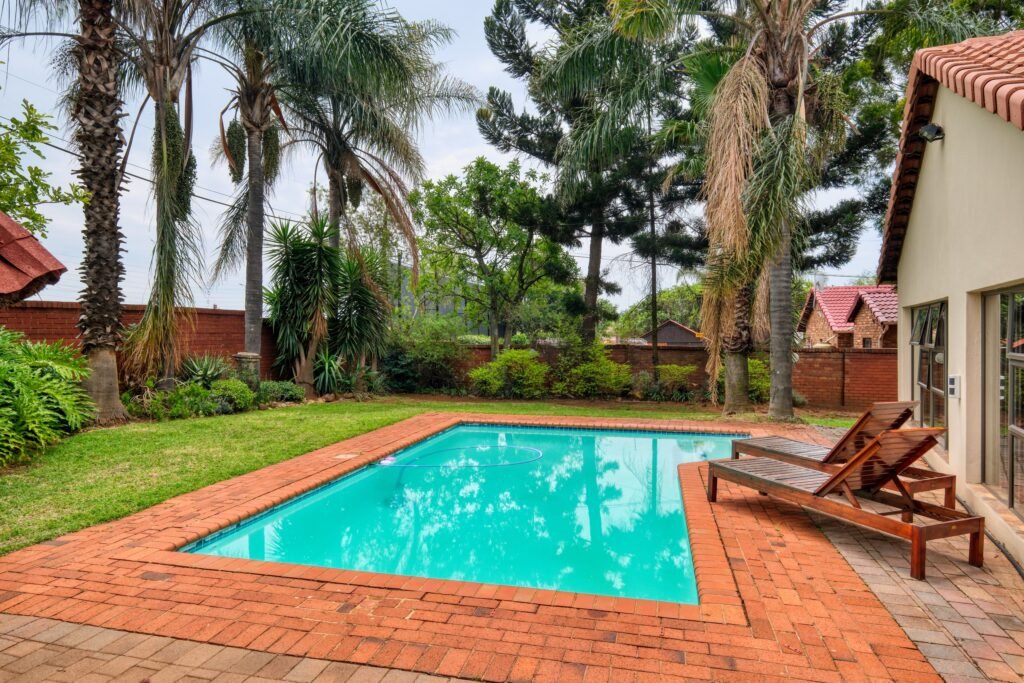
Before you fall in love with a design, measure the site. small backyard pool ideas This is the step many inspiration pages skip, and it is the one that saves the most money.
Usable space, access, setbacks and equipment clearance
Draw a simple plan of your yard on paper and mark:
- Total yard size in metres or feet, including angles and corners.
- Boundary setbacks: many local authorities require a minimum distance between the pool water or the pool edge and the property line, the house or other structures. The distance varies by place, so check your local planning or building department.
- Easement and utility lines: gas, water, sewer, electricity and drainage lines may run underground. Call your local utility locator service before any digging.
- Access for machinery: an excavator needs a path. A typical small machine needs a gap of roughly 1 to 1.5 m (3 to 5 ft). If access is too tight, you may need hand digging, a crane delivery or a smaller construction method, and costs will rise.
- Equipment space: the pump, the filter and the heater need a ventilated spot, usually within a few metres of the pool. Plan for noise, drainage and service access.
- Walking room: allow at least 0.9 to 1.2 m (3 to 4 ft) of clear paving around the pool where people will walk or sit.
Sunlight, privacy, drainage and slope
- Sunlight: a pool that gets 6 or more hours of direct sun is easier to keep warm and clean. Heavy shade can leave the water cold and encourage algae.
- Trees: leaves clog filters, and roots can damage pool shells and pipes. small backyard pool ideas Keep large trees well away, or plan a cover and regular skimming.
- Privacy: consider neighbouring windows. Privacy screens, hedges and pergolas can solve this.
- Slope: a sloping yard may need retaining walls, which add cost. It can also be an opportunity for a semi-inground pool or a raised pool with seating built into the wall.
- Drainage and groundwater: high groundwater or poor soil can push an empty pool upwards or crack the shell. A soil test and an engineer’s advice are worth it.
15 Small Backyard Pool Ideas
Each idea includes who it suits, the approximate footprint, the usual construction type, small backyard pool ideas the relative cost, the maintenance level and the main limitation. Relative cost is shown as Low, Medium or High compared with the other ideas in this list, not as a price.
1. Compact plunge pool
- Best for: cooling off, relaxing, small families and hot climates.
- Approximate footprint: from about 2.5 x 3.5 m (8 x 11 ft).
- Usual construction: concrete, fibreglass or precast.
- Relative cost: Medium to high.
- Maintenance: low to medium, because less water means less chemical use.
- Limitation: not suitable for proper lap swimming.
A plunge pool is the classic answer for small yards. small backyard pool ideas It is usually deeper than a spa, small backyard pool ideas often around 1.2 to 1.5 m (4 to 5 ft), so adults can submerge and relax. Add a bench or a sun shelf to make it more social.
2. Narrow lap pool
- Best for: exercise and fitness.
- Approximate footprint: about 2 to 2.5 m wide and 6 to 10 m long (6.5 to 8 ft by 20 to 33 ft).
- Usual construction: concrete or modular.
- Relative cost: High.
- Maintenance: medium.
- Limitation: needs a long straight space, even though it is narrow.
If your yard is long and thin, a lap pool can fit well. small backyard pool ideas A shorter pool with a swim-in-place current system can give a full workout in a smaller footprint.
3. Above-ground pool with a deck
- Best for: tight budgets and quick installation.
- Approximate footprint: from about 3 m (10 ft) across, often round or oval.
- Usual construction: steel, resin or aluminium frame with a liner.
- Relative cost: Low to medium.
- Maintenance: medium.
- Limitation: the lifespan of liners and frames is shorter, and a permit or a fence is still often required.
An above-ground pool wrapped with a wooden or composite deck can look like part of the home. The deck also provides safe entry and a place to sit.
4. Semi-inground pool for sloping yards
- Best for: yards with a slope or hard digging conditions.
- Approximate footprint: 3 x 5 m (10 x 16 ft) and up.
- Usual construction: concrete, steel or modular panels, partly sunk into the ground.
- Relative cost: Medium.
- Maintenance: medium.
- Limitation: needs careful design for safe access, barriers and retaining walls.
This idea can reduce excavation costs and create a raised edge you can sit on. Many designs integrate the pool with a terrace or a retaining wall.
5. Corner or L-shaped pool
- Best for: yards where you want to keep a central lawn or patio.
- Approximate footprint: about 3 x 4 m (10 x 13 ft) in a corner, plus the leg of the L.
- Usual construction: concrete or vinyl liner.
- Relative cost: Medium to high.
- Maintenance: medium.
- Limitation: custom shapes cost more than standard rectangles.
Tucking the pool into a corner leaves the rest of the yard open and can create a more natural flow.
6. Courtyard cocktail pool
- Best for: townhouses, patios and walled courtyards.
- Approximate footprint: about 2 x 3 m to 3 x 4 m (6.5 x 10 ft to 10 x 13 ft).
- Usual construction: concrete, tile-lined or fibreglass.
- Relative cost: Medium to high.
- Maintenance: low to medium.
- Limitation: access for building can be difficult, and heavy structures need engineering checks.
A cocktail pool is shallow and social. small backyard pool ideas It is a statement piece rather than an exercise tool, and works well with a small outdoor kitchen or a lounge area.
7. Pool and spa combination
- Best for: year-round use in cooler climates.
- Approximate footprint: about 3 x 5 m (10 x 16 ft), including a raised spa.
- Usual construction: concrete.
- Relative cost: High.
- Maintenance: medium to high, because there are two bodies of water.
- Limitation: more equipment and a higher energy bill.
The spa can be heated separately and used in cool weather, while the pool is used in summer.
8. Small rectangular pool
- Best for: modern homes and simple lines.
- Approximate footprint: about 3 x 6 m (10 x 20 ft).
- Usual construction: concrete, fibreglass or vinyl liner.
- Relative cost: Medium.
- Maintenance: medium.
- Limitation: can look plain without good landscaping.
A rectangle makes the best use of space and is often the most economical shape to build.
9. Freeform mini pool
- Best for: soft, organic garden styles.
- Approximate footprint: about 3 x 5 m (10 x 16 ft).
- Usual construction: concrete or fibreglass.
- Relative cost: Medium to high.
- Maintenance: medium.
- Limitation: curves can waste a little usable space and cost more to finish.
10. Modular or precast plunge pool
- Best for: fast installation and limited access.
- Approximate footprint: from about 2 x 3 m (6.5 x 10 ft).
- Usual construction: factory-made shell delivered in one piece or in sections.
- Relative cost: Medium to high.
- Maintenance: low to medium.
- Limitation: fixed sizes and shapes, and delivery needs crane or truck access.
11. Natural-style compact pool
- Best for: eco-minded owners who like a garden look.
- Approximate footprint: usually larger, from about 4 x 6 m (13 x 20 ft), because plants need space.
- Usual construction: liner with a planted regeneration zone.
- Relative cost: High.
- Maintenance: different, because it relies on plants and biology instead of chlorine.
- Limitation: needs more space, and local rules vary on how natural pools are treated.
12. Pool with a built-in bench or sun shelf
- Best for: families and relaxing in shallow water.
- Approximate footprint: a standard plunge or small pool with a 0.3 to 0.4 m (1 to 1.3 ft) deep ledge.
- Usual construction: concrete or fibreglass.
- Relative cost: Medium to high.
- Maintenance: medium.
- Limitation: a shallow ledge is not a substitute for child supervision or a compliant barrier.
A shelf can hold a lounge chair and make the pool feel more usable in a small footprint.
13. Narrow side-yard pool
- Best for: long, thin spaces beside the house.
- Approximate footprint: about 1.8 to 2.5 m wide (6 to 8 ft) and as long as you can spare.
- Usual construction: concrete, modular or fibreglass.
- Relative cost: High.
- Maintenance: medium.
- Limitation: access, setbacks and privacy can all be difficult, and machinery access is often the main cost.
14. Small pool with multi-level decking
- Best for: sloping or uneven yards.
- Approximate footprint: about 3 x 4 m (10 x 13 ft) plus decking.
- Usual construction: any, with a deck built around it.
- Relative cost: Medium to high.
- Maintenance: medium.
- Limitation: steps and levels need safe design, non-slip finishes and compliant barriers.
Levels make the pool area feel bigger and separate zones for seating, dining and swimming.
15. Portable or seasonal pool
- Best for: short seasons, temporary use and testing the idea.
- Approximate footprint: from about 2.5 m (8 ft) across.
- Usual construction: inflatable, frame or steel-wall kits.
- Relative cost: Low.
- Maintenance: low to medium.
- Limitation: short lifespan, and some places still regulate deep portable pools like permanent pools. small backyard pool ideas Always check local rules.
Small Pool Types Compared: Size, Use, Cost and Maintenance
The table below sorts the main construction and pool types. small backyard pool ideas It separates the type (how it is built) from the style (shape and finish), which many inspiration lists mix together.
| Pool type | Typical small size | Best for | Relative install cost | Lifespan and durability | Main limitation |
|---|---|---|---|---|---|
| Concrete (gunite or shotcrete) | Any custom shape, from about 2 x 3 m (6.5 x 10 ft) | Custom shapes, tight sites, long life | High | Very long with good care | Longer build time, higher cost |
| Fibreglass shell | About 2.5 x 4 m to 3.5 x 7 m (8 x 13 ft to 11 x 23 ft) | Quick installs, smooth surface | Medium to high | Long, with surface checks | Fixed shapes, delivery access needed |
| Vinyl liner | Custom sizes, often 3 x 6 m (10 x 20 ft) | Lower upfront cost | Medium | Liner needs replacing after several years | Liner can be damaged by sharp objects |
| Modular or precast | From about 2 x 3 m (6.5 x 10 ft) | Fast build and limited access | Medium to high | Long | Limited design options |
| Above-ground | From about 3 m (10 ft) across | Budget and short build time | Low to medium | Medium, depends on frame and liner | Looks, lifespan, safety barrier still needed |
| Semi-inground | From about 3 x 5 m (10 x 16 ft) | Sloping or hard-dig sites | Medium | Medium to long | Needs retaining and safe access |
| Portable or inflatable | From about 2.5 m (8 ft) | Temporary or seasonal use | Low | Short | Not permanent, may still need a barrier |
A note on plunge pools versus spas: a plunge pool is for cooling off and gentle swimming, small backyard pool ideas while a spa (hot tub) is mainly for heated seating and jets. Some small pools combine both, but each has different heating, filtration and safety needs.
How Much Does a Small Backyard Pool Cost?
The answer depends on where you live, the site, the pool type and the finish. Because prices change over time and between countries, treat any number as a starting point. small backyard pool ideas Ask at least three licensed local builders for itemised quotes in your own currency.
Rough planning ranges (US dollars, 2026, before local variation):
- Portable or inflatable pools: roughly a few hundred to a few thousand dollars.
- Above-ground pools with a deck: roughly low to mid thousands, rising with decks and electrical work.
- Fibreglass or vinyl liner small inground pools: often tens of thousands.
- Custom concrete plunge or lap pools: often higher, and costs rise with access difficulty, retaining walls and finishes.
Installation, excavation, filtration, heating and ongoing costs
A pool quote often covers only the pool. Ask what is included, because the extras add up:
- Site preparation: clearing, levelling, retaining walls and soil testing.
- Excavation and hauling: tight access can mean hand digging or removing soil by hand.
- Structure: shell, liner or concrete, plus plumbing.
- Filtration and pump: variable-speed pumps are more efficient and can reduce electricity use.
- Heating: gas, electric heat pump or solar, with a heat pump or solar often cheaper to run over time.
- Cover: a safety cover or a thermal cover reduces heat loss and evaporation.
- Safety barrier and gates: often required by law.
- Decking, paving and landscaping.
- Electrical work and bonding: must be done by a licensed professional.
- Permits, inspections and engineer fees.
Ongoing costs to budget for each year:
- Chemicals or salt system maintenance.
- Electricity for the pump and heater.
- Water top-ups.
- Cover repairs, liner replacement or resurfacing over the years.
- Insurance changes: tell your home insurer you are adding a pool.
A smaller pool generally has less water to heat, treat and refill, small backyard pool ideas so running costs are often lower than for a large pool. That is one of the strongest arguments for going small.
Small Pool Landscaping Ideas That Make a Yard Feel Bigger
Landscaping can make a small pool feel intentional and spacious.
- Use one main material. Repeating the same paving or decking colour creates a sense of flow.
- Choose light, cool colours. Pale stone or light tiles reflect light and make the space feel open.
- Create vertical interest. Slim trellises, tall planters and climbing plants add height without taking up floor space.
- Use built-in seating. A bench along a wall saves room compared with loose furniture.
- Add lighting. Low-voltage LED lights extend the use of the pool into the evening and make the water glow.
- Add a feature, not many. A single spout, a small waterfall or a slim water wall adds sound and privacy. Too many features crowd a small yard.
- Plan screening. Bamboo, hedges, slatted fences or pergolas can create privacy.
- Choose plants carefully. Avoid messy trees near the pool and pick plants that suit your climate and drop few leaves.
- Mind the finish colour. A dark pool finish can mirror the sky and make the water look deeper, while a light finish makes the water look bright and shallow.
Safety, Permits and Local Building Requirements
Safety is not optional. Drowning is a leading cause of accidental death in young children in many countries, small backyard pool ideas and a small pool is just as dangerous as a large one. Rules differ widely by country, state, province and city, so always check with your local authority before you buy or build.
Common requirements to check:
- Barriers and fencing: many places require a fence or barrier of a minimum height around the pool, with self-closing and self-latching gates. Some areas also regulate removable or mesh fences and safety covers.
- Alarms and detection: some regions require door alarms, pool alarms or both.
- Permits and inspections: building, electrical and plumbing permits are common. Inspectors may check the barrier before the pool can be filled.
- Setbacks and zoning: minimum distances from boundaries and structures.
- Electrical bonding and wiring: pool equipment, lights and outlets must meet local electrical codes. Only a licensed electrician should do this work.
- Anti-entrapment drains: suction outlets must be designed to prevent entrapment, and many countries have specific standards.
- Non-slip surfaces: paving and steps around the water should be slip-resistant.
- Water depth markings: clear depth signs help prevent injuries, small backyard pool ideas especially diving injuries in shallow water.
- Supervision: no barrier replaces active adult supervision. Learn basic CPR and keep rescue equipment close.
Portable and above-ground pools: some regions treat these like permanent pools once the water depth passes a certain level, so a barrier may be required. Never assume that a temporary pool is exempt.
Water rules: during droughts, some areas limit filling or topping up pools. A solid cover can reduce evaporation and help you comply.
Climate Matters: Choose a Pool That Suits Where You Live
- Hot climates: shade, light-coloured finishes, covers and efficient pumps help control evaporation and heat. A shaded plunge pool can be very comfortable.
- Cold or freezing climates: you may need winterisation, a safety cover and freeze protection for pipes. small backyard pool ideas A heated pool or spa can extend the season, while a seasonal portable pool may be a more practical choice.
- Wet or humid climates: good drainage and algae control are important.
- Windy sites: wind increases evaporation and heat loss, so plan windbreaks and a cover.
- Short swimming seasons: consider whether a smaller, easily heated or seasonal pool offers better value than a large permanent one.
Maintenance, Heating and Water-Saving Tips
Basic weekly tasks:
- Skim leaves and debris from the surface.
- Test the water and adjust chemicals (pH, sanitiser and alkalinity).
- Empty the skimmer and pump baskets.
- Brush the walls and floor.
- Check the pump, filter pressure and water level.
Smart ways to save energy and water:
- Use a variable-speed pump and run it only as long as needed.
- Use a cover whenever the pool is not in use to cut heat loss, evaporation and chemical use.
- Choose a heat pump or solar heating if you want a longer season.
- Add windbreaks and shade where useful.
- Fix leaks early. A small leak can waste a lot of water and damage the ground.
Seasonal care: drain, winterise or cover the pool according to your climate and your builder’s advice. Do not drain an inground pool without professional advice, small backyard pool ideas because high groundwater can damage the shell.
How to Choose the Right Small Pool: A Simple Checklist
Ask yourself these questions in order:
- What will we use it for? Cooling off, exercise, family play or looks?
- How much usable space do we really have after setbacks, access and equipment?
- What is our full budget, including barriers, decking, electrical work, permits and running costs?
- What does our local authority require?
- What does our climate allow? How long is the season, and do we need heating?
- Who will maintain it, and how much time do we want to spend?
- Can the pool be built or delivered on our site?
- Will it be safe for children, guests and pets?
If you can answer these, you are ready to talk to builders.
Common Mistakes to Avoid
- Choosing a design from a photo before measuring the site.
- Forgetting access for machinery or delivery.
- Comparing quotes that do not include the same items.
- Ignoring the cost of the barrier, decking, electrical work and permits.
- Building too close to trees, utilities or the house.
- Treating a shallow ledge or a pool cover as a replacement for a proper barrier and supervision.
- Choosing a pool with no plan for heating, small backyard pool ideas shade or maintenance.
- Skipping a soil test or ignoring groundwater.
- Letting the pool dominate the yard, with no space left to sit, walk or relax.
Frequently Asked Questions
How small can a backyard pool be?
Plunge pools and cocktail pools can be as small as about 2 x 3 m (6.5 x 10 ft), and some portable pools are smaller. The real limit is local setbacks, safe walking space, equipment room and the barrier required by your local rules.
What is the cheapest type of pool for a small backyard?
Portable and above-ground pools usually have the lowest upfront cost. But you should also consider the lifespan, the barrier requirement, the electricity and water costs, and the effort to set up and store them.
Is an above-ground pool better for a small yard?
It can be, especially if your budget is limited, your site is hard to dig or you want a quick installation. An inground plunge pool may look more integrated and last longer, but it usually costs more and needs more site work.
How much space do you need around a small pool?
As a general guide, plan about 0.9 to 1.2 m (3 to 4 ft) of clear paving or decking where people walk, plus space for equipment and for any local setbacks. Your local building rules set the legal minimums.
Are plunge pools cheaper to maintain?
Often yes, because they hold less water to treat, heat and top up. But filtration, covers, electricity and repairs still apply, so the saving depends on your design and local costs.
Can you put a pool in a narrow backyard?
Yes. Narrow lap pools, side-yard pools and compact plunge pools are all designed for narrow spaces. Access for construction and setbacks from boundaries are the main challenges.
Which pool shape saves the most space?
A simple rectangle usually makes the best use of space and is often the most cost-effective. Corner or L-shaped designs can save central yard space, while freeform shapes look softer but can waste some space.
How much does a small backyard pool cost to install?
It depends on the pool type, location, site access and finish, and it can range from a few hundred dollars for a portable pool to tens of thousands or more for a custom inground pool. Get itemised quotes from licensed local builders and compare what is included.
Do small pools need a fence or safety barrier?
In most places, yes, especially for inground pools and often for above-ground and deeper portable pools too. Rules vary, so check with your local building authority before you buy.
How can I make a small pool look bigger?
Use a simple shape, one main material, light colours, vertical planting, built-in seating and good lighting. Avoid cluttered furniture and too many features.
How much maintenance does a small pool need?
Expect to skim, test and balance the water weekly, clean filters regularly and use a cover to reduce debris and heat loss. Smaller pools are often quicker to maintain, but they still need regular care.
Can a small pool be heated efficiently?
Yes. Small volumes heat faster, and a cover, a heat pump or solar heating and windbreaks can improve efficiency. Insulation and a good cover are especially helpful.
Final Thoughts
The best small backyard pool is not the one with the prettiest photo. It is the one that fits your site, your budget, your climate and your safety obligations. Start by measuring your yard, check your local rules, compare pool types honestly, and ask builders for itemised quotes that include every part of the project. Then choose a design that you will enjoy using for years, whether that is a compact plunge pool, a slim lap pool, a courtyard cocktail pool or a simple above-ground pool with a deck.