how to clean kitchen, clear the clutter, then work from top to bottom: cabinets and walls, hood and stove, oven, fridge and dishwasher, counters, sink, small appliances, trash can and finally the floor. Use a cleaner that is safe for each surface, rinse, and dry. Disinfect only food-contact and high-touch spots, following the product label.
The kitchen is the hardest-working room in your home. It handles raw meat, oily cooking, steam, spills and constant hand contact, which makes it a place where grease and germs build up fast. A messy kitchen is more than unpleasant: leftover food attracts pests, and dirty surfaces can spread bacteria from raw foods to ready-to-eat ones.
Most kitchen cleaning guides tell you what to do but skip the parts that matter most: which cleaner is safe for which surface, the difference between cleaning and disinfecting, how to clean kitchen what you must never mix, and how to remove stubborn grease, burnt food and stains. This guide covers all of it. It is a practical, product-free guide, so you will not be told to buy anything specific. Simple household supplies do most of the job.
At a Glance
- Order: Always clean top to bottom, and from the cleanest area to the dirtiest.
- Cleaner: Start with dish soap and warm water. Escalate only when needed.
- Disinfect: Only after cleaning, and only where it matters (cutting boards, handles, surfaces touched by raw meat).
- Safety: Never mix bleach with vinegar, ammonia or any other cleaner.
- Time: A quick daily reset takes about 10 minutes. A full deep clean takes 2 to 3 hours.
- Rule of thumb: Check the manufacturer’s instructions for every appliance and surface first.
how to clean kitchen
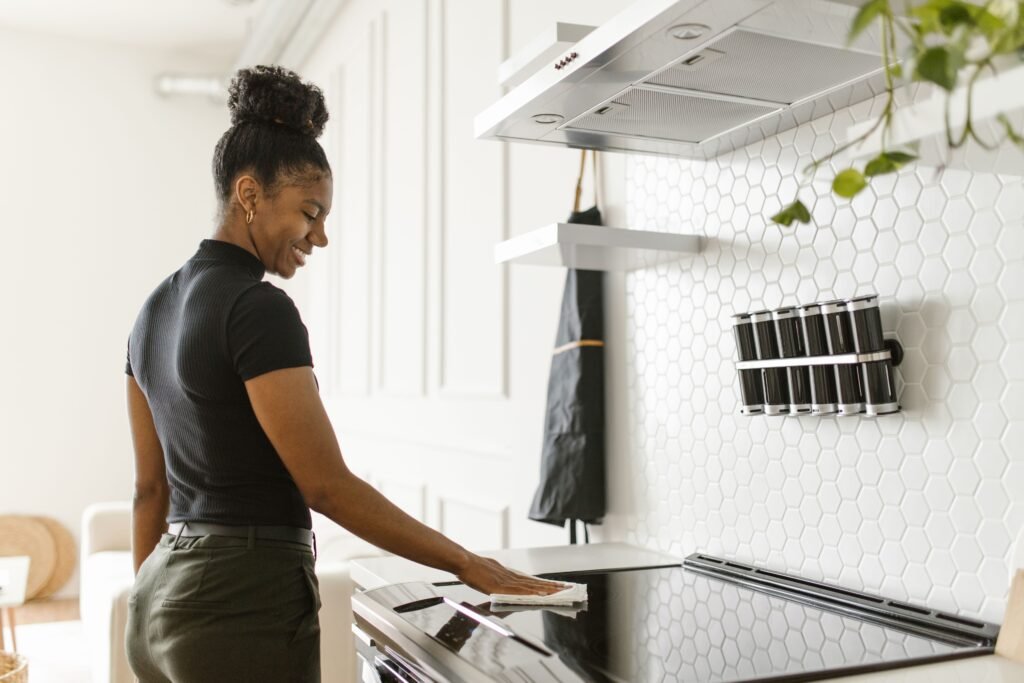
You do not need a cupboard full of products. This basic kit handles almost everything:
- Dish soap: Your safest all-rounder for grease and everyday dirt.
- Microfiber cloths (at least 4): Use separate cloths for surfaces, appliances, the floor and (if needed) raw-meat spills.
- Non-scratch sponge and a soft brush: For stuck-on food and grout, without damaging surfaces.
- Old toothbrush or detail brush: For handles, faucet bases, drains and tight corners.
- Baking soda: A gentle abrasive and deodorizer.
- White vinegar: Useful on some surfaces, but not on natural stone and not as a disinfectant.
- A degreaser: A kitchen degreaser or a stronger dish soap solution for heavy grease.
- Disinfectant (optional): Only if you need it, used strictly as the label directs.
- Rubber gloves, trash bags and a vacuum or broom: For protection and for clearing debris.
Cleaning vs Disinfecting: What Is the Difference?
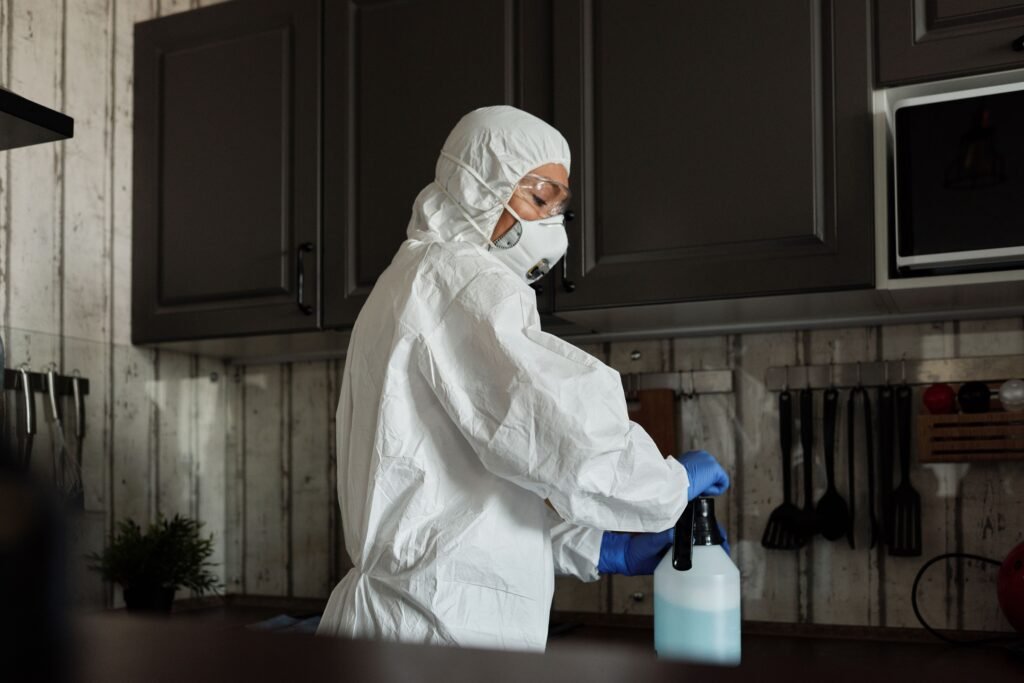
This is the most misunderstood part of kitchen hygiene, and it affects how you clean.
- Cleaning uses soap and water to physically remove dirt, grease and many germs.
- Sanitizing reduces germs to a safer level, which matters for surfaces that touch food.
- Disinfecting uses a registered product to kill most germs on a surface.
Two rules keep you safe. First, always clean before you disinfect, how to clean kitchen because dirt and grease reduce a disinfectant’s effect. Second, follow the label for contact time (how long the surface must stay wet). Wiping a disinfectant away right after spraying often means it never had time to work.
When to disinfect:
- After raw meat, poultry, fish or eggs touch a counter, board or sink.
- When someone at home is ill or has a weak immune system.
- For high-touch spots such as fridge handles, cabinet handles and light switches.
A note on natural cleaners: vinegar, how to clean kitchen lemon and baking soda are helpful for cleaning and deodorizing, but you should not rely on them as guaranteed disinfectants. If you need to disinfect, use a product whose label states a disinfectant claim, and rinse food-contact surfaces afterwards as directed.
Kitchen Cleaning Safety: What Never to Mix

Read this before you start.
- Never mix bleach with vinegar, ammonia, toilet cleaner, drain cleaner or any other cleaner. Toxic gases can form.
- Open a window or run the exhaust fan whenever you use strong products.
- Wear gloves, and keep children and pets out of the room until surfaces are dry.
- Do not spray cleaners on or near food, open dishes or cooking surfaces you are about to use.
- Rinse food-contact surfaces with clean water after using any disinfectant, as the label directs.
- Unplug small appliances before cleaning, and never submerge electrical parts.
- Test any new cleaner on a small hidden spot first.
The Best Order to Clean a Kitchen
Cleaning in the right order saves time and prevents re-dirtying surfaces you have already finished.
- Clear and declutter: Take out the trash, remove dishes and clear the counters.
- Top to bottom: Start with high areas such as light fixtures, the top of cabinets and walls, so falling dust and drips land on surfaces you have not cleaned yet.
- Heavy-duty jobs first: Soak and treat the oven, how to clean kitchen stove parts and hood filters early so they can work while you clean elsewhere.
- Counters and sink after the messy jobs.
- Floor last, because everything you cleaned above drips and drops onto it.
- Disinfect high-touch spots at the end so they stay clean longer.
Step 1: Declutter and Clear Surfaces
A kitchen cannot be cleaned properly while it is covered in items.
- Take out the trash and recycling.
- Clear dishes, and load the dishwasher or wash them by hand.
- Remove everything from the counters, including appliances, jars and fruit bowls.
- Check the fridge and pantry for expired or spoiled food and throw it out.
- Gather your cleaning supplies in one place.
Set a timer for 10 minutes. This single step makes everything after it noticeably faster.
Step 2: How to Clean Kitchen Cabinets and Walls
Grease and steam settle on cabinets and walls long before you notice them.
Cabinets:
- Dust the tops first with a dry or slightly damp microfiber cloth.
- Mix a few drops of dish soap into warm water and wipe the fronts, edges and handles with a well-wrung cloth.
- For sticky grease, leave the soapy cloth on the spot for a minute, then wipe again.
- Dry immediately. Standing water damages wood, laminate and veneer.
- For the insides, empty the shelves, wipe or vacuum out crumbs, and let them dry before putting things back.
Walls and backsplash:
- Use warm water with a little dish soap, working from top to bottom.
- For stubborn grease on tile, apply a baking soda paste, how to clean kitchen wait a few minutes, and scrub with a soft brush.
- Rinse with a clean damp cloth, then dry.
Avoid: Soaking wood cabinets, scrubbing painted walls hard, and using abrasive pads on glossy finishes.
Step 3: How to Clean the Range Hood, Stove and Oven
Range hood and filter
Clean the hood before the stove so grease does not drip onto a freshly cleaned surface.
- Remove the metal mesh filter (check the manual for how).
- Soak it in very hot water with dish soap or a degreaser, then scrub gently with a soft brush.
- Rinse and let it dry fully before putting it back. how to clean kitchen Some filters are dishwasher-safe, but check the manual first.
- Wipe the hood exterior with soapy water, along the grain for stainless steel, and dry.
Stovetop
- Remove grates, burner caps and knobs if they come off.
- Soak removable parts in hot soapy water while you clean the surface.
- For gas stoves, wipe the surface with a degreaser, wait a few minutes, how to clean kitchen then wipe clean. Use a toothbrush for burner ports, being careful not to push debris into the openings.
- For glass or electric stovetops, use a non-scratch sponge and a cleaner suited to glass. Avoid steel wool and abrasive powders.
- For burnt-on food, apply baking soda paste for 10 to 15 minutes before scrubbing.
- Rinse, dry and put the parts back.
Oven
A dirty oven can smoke, smell and, in the worst case, become a fire risk.
- Remove racks and soak them in hot soapy water.
- Mix baking soda with a little water to make a paste and spread it on the interior (avoid heating elements and vents).
- Let it sit for several hours or overnight if your manual allows.
- Wipe with a damp cloth, then rinse.
- If you use a commercial oven cleaner, follow the label exactly and ventilate the kitchen well.
- If your oven has a self-cleaning cycle, follow the manual, how to clean kitchen remove racks if directed and open windows because it can produce strong fumes.
Step 4: How to Clean the Fridge and Dishwasher
Refrigerator and freezer
- Remove all food. Put perishables in a cooler while you work.
- Throw out anything expired or spoiled.
- Take out shelves and drawers and wash them in warm soapy water. how to clean kitchen Let glass reach room temperature first to avoid cracking.
- Wipe the interior with warm water and a little dish soap or a baking soda solution (about 2 tablespoons per quart of warm water).
- Clean the door seals with a soft brush, since mold hides there.
- Dry everything and return the food.
For food safety, keep the fridge at 40°F (4°C) or below and the freezer at 0°F (-18°C), according to USDA guidance.
Odors: An open box of baking soda on a shelf helps absorb smells. If the smell persists, look for spilled or spoiled food in the back, the drip tray and the seals.
Dishwasher
- Remove the racks and check the drain for food particles.
- Take out the filter, rinse it, and scrub gently with a soft brush and dish soap.
- Wipe the door seal and edges, where grime collects.
- Run an empty hot cycle with a dishwasher cleaner, how to clean kitchen or follow the manufacturer’s recommended method. Some manufacturers advise against vinegar, so check your manual.
Step 5: How to Clean Kitchen Counters (by Material)
Counters are food-contact surfaces, so cleaning them properly matters, how to clean kitchen and the right cleaner depends on the material.
| Counter Material | Safe Everyday Cleaner | Avoid | Care Tip |
|---|---|---|---|
| Laminate | Warm water and dish soap | Abrasive scrubbers, standing water on seams | Dry edges to prevent swelling |
| Quartz | Mild dish soap and soft cloth | Harsh chemicals, abrasive powders, prolonged bleach, high heat | Use trivets for hot pans |
| Granite (sealed) | Warm water and mild soap or a pH-neutral stone cleaner | Vinegar, lemon, acidic or harsh cleaners | Reseal as the installer recommends |
| Marble and natural stone | pH-neutral stone cleaner | Vinegar, lemon juice, acidic cleaners, abrasives | Wipe spills immediately, since stone etches |
| Butcher block (wood) | Mild soap and a damp cloth | Soaking, harsh chemicals | Oil periodically to prevent drying |
| Stainless steel | Dish soap and warm water | Steel wool, chlorine bleach | Wipe along the grain and dry |
| Tile with grout | Soap and a soft brush; baking soda paste on grout | Harsh acids on grout | Reseal grout as needed |
How to clean any counter:
- Remove everything and vacuum or wipe away crumbs first.
- Wash with warm soapy water on a microfiber cloth, working in small sections.
- Rinse with a clean damp cloth.
- Dry right away to avoid streaks and water marks.
- If the counter touched raw meat, clean first, then disinfect with a suitable product and the full contact time, then rinse as the label says.
If your manufacturer’s instructions differ from this table, follow them.
Step 6: How to Clean the Kitchen Sink and Drain
The sink is often dirtier than the counters, so treat it as a high-priority hotspot.
- Clear food debris from the strainer and drain.
- Rinse with warm water.
- Sprinkle baking soda or apply dish soap, then scrub the basin with a soft sponge. Scrub along the grain on stainless steel.
- Use a toothbrush around the drain, the faucet base and the handles.
- Rinse thoroughly and dry with a microfiber cloth to prevent water spots.
- For odor, pour baking soda down the drain, wait 10 to 15 minutes and flush with very hot water. Avoid repeatedly pouring boiling water if you have PVC pipes.
- If you have a garbage disposal, turn off the power, how to clean kitchen follow the manual, and use ice cubes and citrus peels to freshen it. Never put your hand in a disposal.
Do not use vinegar on natural stone sinks, and never combine vinegar or bleach with drain cleaner.
Step 7: How to Clean Small Appliances
Anything on your counter collects splashes, how to clean kitchen grease and crumbs. Always unplug an appliance first and read its manual, because some manufacturers warn against certain cleaners.
- Microwave: Heat a bowl of water with lemon slices for a few minutes, let it stand with the door closed for a few more minutes, then wipe the steam-loosened residue with a damp cloth. Wash the turntable separately.
- Coffee maker: Run a descaling cycle as the manual directs, then run several water-only cycles to rinse.
- Electric kettle: Descale as the manufacturer recommends, then boil and discard clean water a couple of times.
- Toaster: Unplug, empty the crumb tray into the trash and wipe the exterior with a damp cloth. Never use water inside.
- Air fryer and blender: Wash removable parts in warm soapy water, and wipe the base with a damp cloth. Never submerge the motor.
- Appliance exteriors and handles: Wipe with a damp cloth and mild soap, then dry.
Step 8: How to Clean the Trash Can
The trash can is one of the most overlooked sources of kitchen odor and germs.
- Take out the bag and empty the bin outdoors.
- Wash the inside, the lid and the outside with hot soapy water and a brush.
- Rinse and, if the label allows, disinfect, then let it air-dry completely.
- Sprinkle a little baking soda in the bottom to absorb odors before you add a fresh bag.
- Wash the bin weekly, and immediately after any leak.
Step 9: How to Clean the Kitchen Floor
Floors come last, so you can pick up everything that fell during the rest of the clean.
- Sweep or vacuum first, including corners and under the edges of cabinets.
- Choose the right method for your flooring:
- Tile: Mop with warm water and a suitable floor cleaner. Scrub grout with a soft brush and baking soda paste.
- Sealed wood: Use a slightly damp, well-wrung mop. Never flood wood with water.
- Vinyl or laminate: Mop with a mild cleaner and little water, and dry afterwards.
- Natural stone: Use a pH-neutral stone cleaner, not vinegar.
- Start from the corner farthest from the door and work backwards so you never walk on clean floor.
- Change the water when it gets dirty. Mopping with grey water just spreads grime around.
- Let the floor dry fully before walking on it.
Hidden Germ Hotspots You Might Miss
Some of the dirtiest spots in the kitchen are also the easiest to forget.
- Sponges and dishcloths: They hold moisture and food particles. Let sponges dry between uses, replace them regularly (and as soon as they smell), and wash dishcloths in a hot wash.
- Cutting boards: Wash with hot soapy water after each use. how to clean kitchen Use separate boards for raw meat and ready-to-eat food. Sanitize as the label directs, and avoid soaking wooden boards.
- Faucet and appliance handles: Touched constantly, often with dirty hands.
- Fridge, oven and cabinet handles: Wipe them with a damp soapy cloth, and disinfect them if needed.
- Light switches and door knobs: Quick wipe-downs once a week.
- Can opener and blender gaskets: Food hides in the small crevices.
- Drain strainer and sink stopper: Remove and wash them.
- Sink mat, dish rack and soap dispenser: Lift and clean underneath weekly.
How to Remove Common Kitchen Stains and Smells
| Problem | Likely Cause | Safe Method | Warning |
|---|---|---|---|
| Heavy cooking grease | Oil splatter, frying steam | Hot soapy water or a degreaser; leave on for a few minutes, then wipe | Test on a hidden spot first; do not soak wood |
| Burnt-on food | Spills on stove or oven | Baking soda paste, wait 10 to 15 minutes, scrub with a non-scratch sponge | No steel wool on glass or enamel |
| Turmeric and curry stains | Pigments from spices | Wipe quickly with soapy water; baking soda paste for older stains | Avoid bleach on colored or stone surfaces |
| Hard-water spots | Minerals in water | Diluted white vinegar on faucets and stainless steel, rinse and dry | No vinegar on natural stone |
| Rust marks | Iron items left on wet surfaces | Baking soda paste, or a rust remover made for the surface | Follow the label; ventilate |
| Sticky cabinet films | Grease plus dust | Soapy cloth, leave a minute, wipe, then dry | Never over-wet wood |
| Fridge or trash odor | Spoiled food, residue | Remove the source, wash, then use baking soda | Do not just mask smells |
| Drain odor | Trapped food | Clean the strainer, baking soda, hot water | Never mix with drain cleaner |
How Often Should You Clean Your Kitchen?
| Task | How Often | Time Needed |
|---|---|---|
| Wash dishes, wipe counters, clear sink debris | Daily | 10 minutes |
| Wipe the stovetop and clean spills | Daily or after each use | 3 to 5 minutes |
| Take out the trash | Daily | 1 minute |
| Sweep the floor | Daily | 3 minutes |
| Replace or clean sponge and dishcloth | Weekly (or sooner) | 2 minutes |
| Deep clean the sink and drain | Weekly | 10 minutes |
| Mop the floor | Weekly | 10 to 15 minutes |
| Wipe handles and switches | Weekly | 5 minutes |
| Wash the trash can | Weekly | 5 minutes |
| Clean the fridge shelves | Monthly | 20 minutes |
| Wipe cabinet fronts and appliances | Monthly | 20 minutes |
| Clean the range hood filter | Monthly | 15 minutes |
| Clean the dishwasher filter | Monthly | 10 minutes |
| Deep clean the oven | Every 3 months (or as needed) | 30 to 60 minutes |
| Wipe walls and the backsplash | Every 3 months | 20 minutes |
Common Kitchen Cleaning Mistakes to Avoid
- Cleaning in the wrong order. Floors first and cabinets last means redoing your work.
- Using one cleaner for everything. Match the product to the surface.
- Mixing cleaning products. This is the most dangerous mistake. how to clean kitchen Never mix bleach with vinegar, ammonia or other cleaners.
- Treating vinegar as a disinfectant. It cleans some surfaces but is not a registered disinfectant.
- Skipping the contact time. Wiping a disinfectant away immediately reduces its effect.
- Using abrasive scrubbers on delicate surfaces. Scratches trap dirt and germs.
- Using vinegar or lemon on natural stone. Acid etches and dulls it.
- Leaving surfaces wet. Moisture causes spots, swelling, rust and mold.
- Forgetting the sponge, the cutting board and the handles. Dirty tools spread germs.
- Ignoring the manual. Appliances often have specific cleaning rules and warranty limits.
How to Keep Your Kitchen Clean Longer
- Clean as you cook: Wipe spills and load dishes while food cooks.
- Use a lid or splatter guard on frying pans to cut down on grease on walls and the hood.
- Run a 10-minute nightly reset: Dishes, counters, stovetop, sink, quick sweep and a fresh dishcloth.
- Wipe grease while it is fresh, since old grease is much harder to remove.
- Keep a damp cloth near the stove for small drips.
- Empty the trash daily and wash the bin weekly.
- Store food in sealed containers to avoid crumbs, spills and pests.
- Dry the sink and counters to prevent water marks and mold.
- Schedule deeper tasks: Put the oven, fridge and hood on a calendar so they never pile up.
- Involve the household: Everyone who uses the kitchen should help keep it clean.
Frequently Asked Questions
Can I use vinegar to clean the whole kitchen?
No. Vinegar is useful on some surfaces such as glass, faucets and stainless steel, but it can damage natural stone, some sealed wood and certain appliances. It is also not a reliable disinfectant. Use it only where it is safe, and check your manufacturer’s instructions.
How do I clean a greasy kitchen?
Use hot water with dish soap or a degreaser. Apply it, wait a few minutes so it loosens the grease, then wipe with a microfiber cloth. Rinse and dry. For thick grease, repeat or use baking soda paste with a soft brush. Wipe grease while it is fresh.
What is the best order to clean a kitchen?
Clear and declutter first, then clean top to bottom: cabinets and walls, hood and stove, oven, fridge and dishwasher, counters, sink, small appliances, trash can and floor last. Disinfect high-touch spots at the end.
How often should I disinfect the kitchen?
You do not need to disinfect everything daily. Disinfect after raw meat, poultry or eggs touch a surface, when someone is ill, and for high-touch spots such as handles. Clean first, then follow the product’s contact time.
How do I clean kitchen cabinets without damaging them?
Use a soft cloth, warm water and a few drops of dish soap. Wring the cloth well, wipe, then dry immediately. Avoid soaking wood, abrasive scrubbers and harsh chemicals, and test any new cleaner on a hidden spot first.
Can I use bleach on kitchen counters?
Only on some materials and only as the product label directs. Avoid bleach on natural stone, wood and some quartz, and do not leave it on any surface longer than the label says. Rinse food-contact surfaces afterwards. Never mix bleach with vinegar or ammonia.
How long does it take to deep clean a kitchen?
A full deep clean usually takes 2 to 3 hours for an average kitchen, depending on how dirty the oven, fridge and hood are. A daily reset takes about 10 minutes, and a weekly clean takes around 45 to 60 minutes.
How do I get rid of kitchen smells?
Find the source first: trash, the drain, the fridge or the dishwasher. Remove or wash the source, then deodorize with baking soda or fresh air. Masking smells with fragrance does not fix them.
Final Thoughts
Knowing how to clean a kitchen properly is not about working harder. It is about following the right order, matching each cleaner to each surface, and understanding when you need to disinfect. Clear the clutter, work from top to bottom, use simple supplies such as dish soap and baking soda, and keep chemical safety in mind at every step. Add a 10-minute daily reset and a short weekly clean, and your kitchen will stay hygienic with far less effort.